
Loading, please wait...
LOT 0936
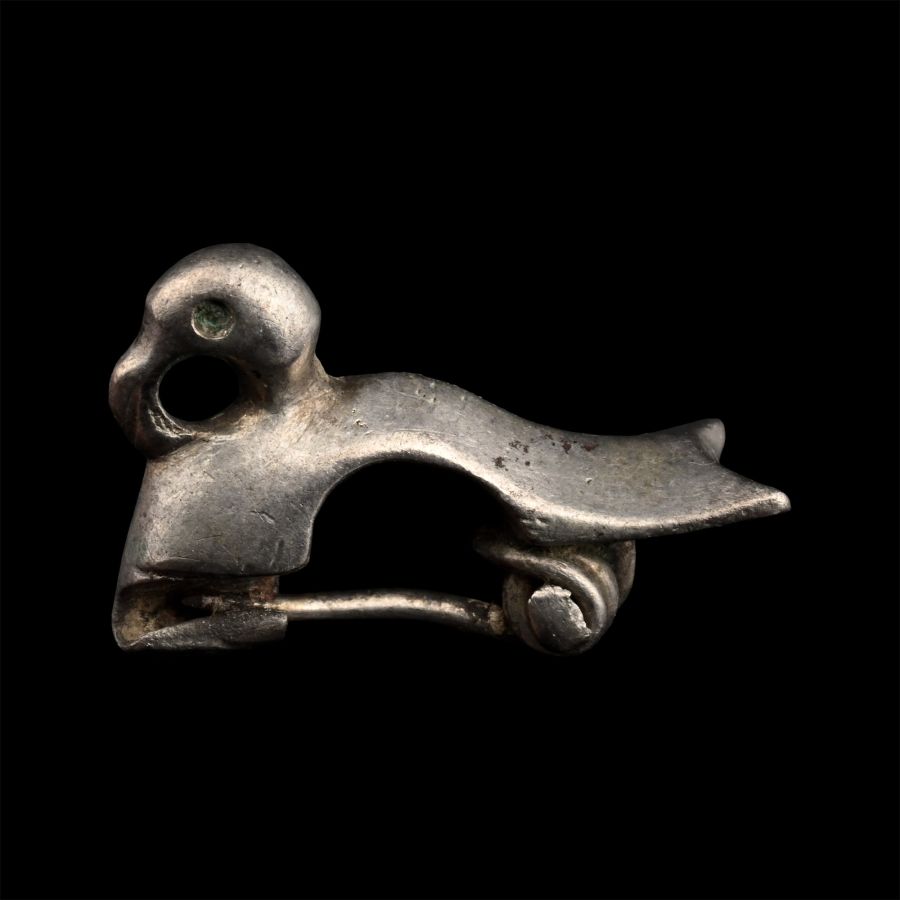
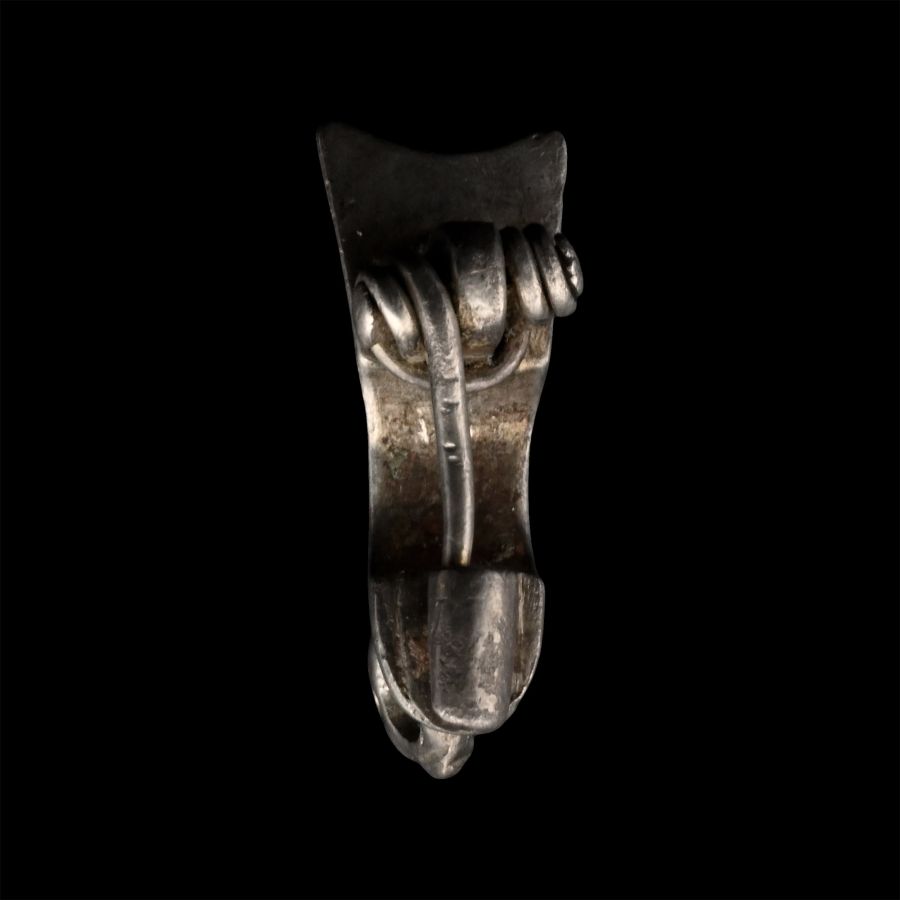
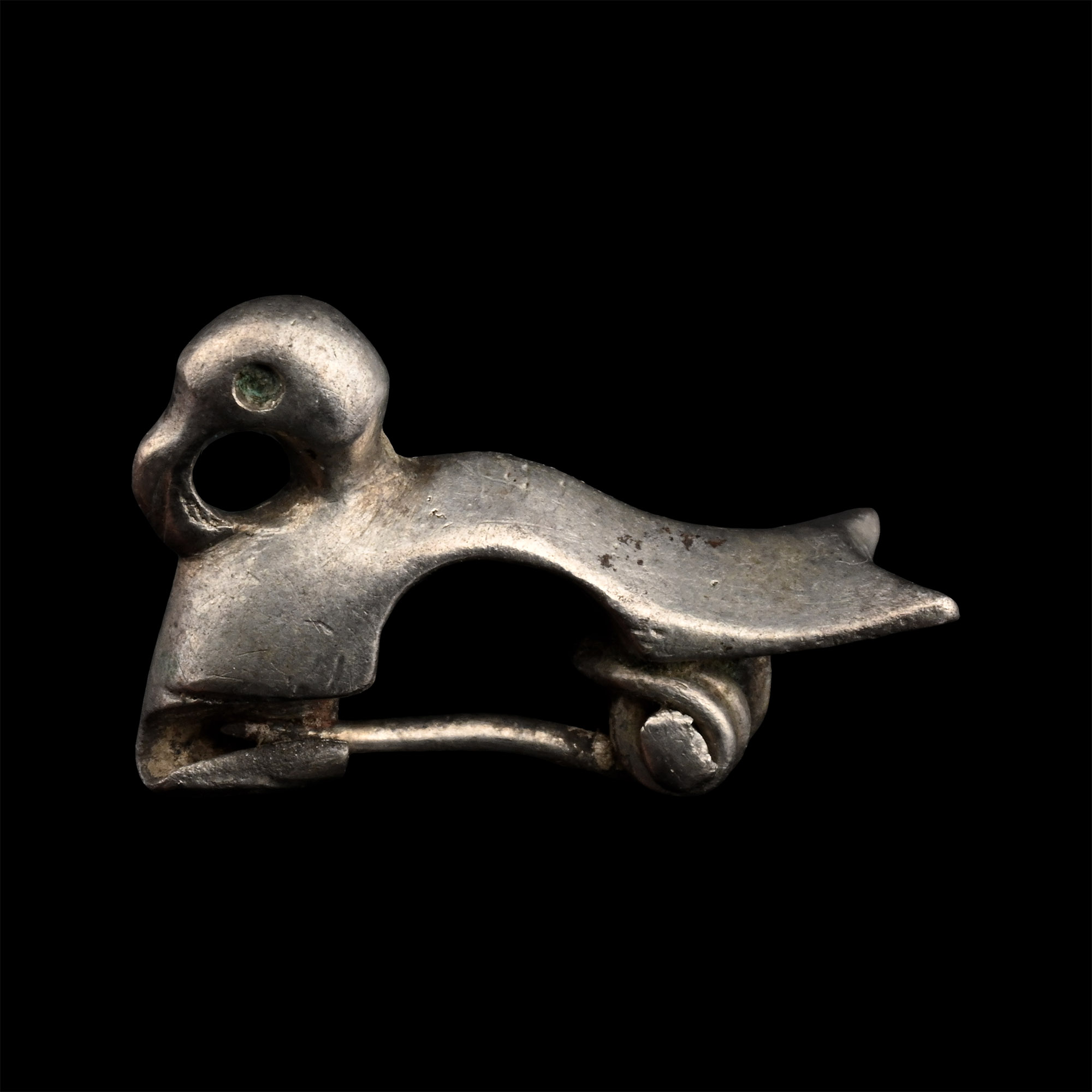
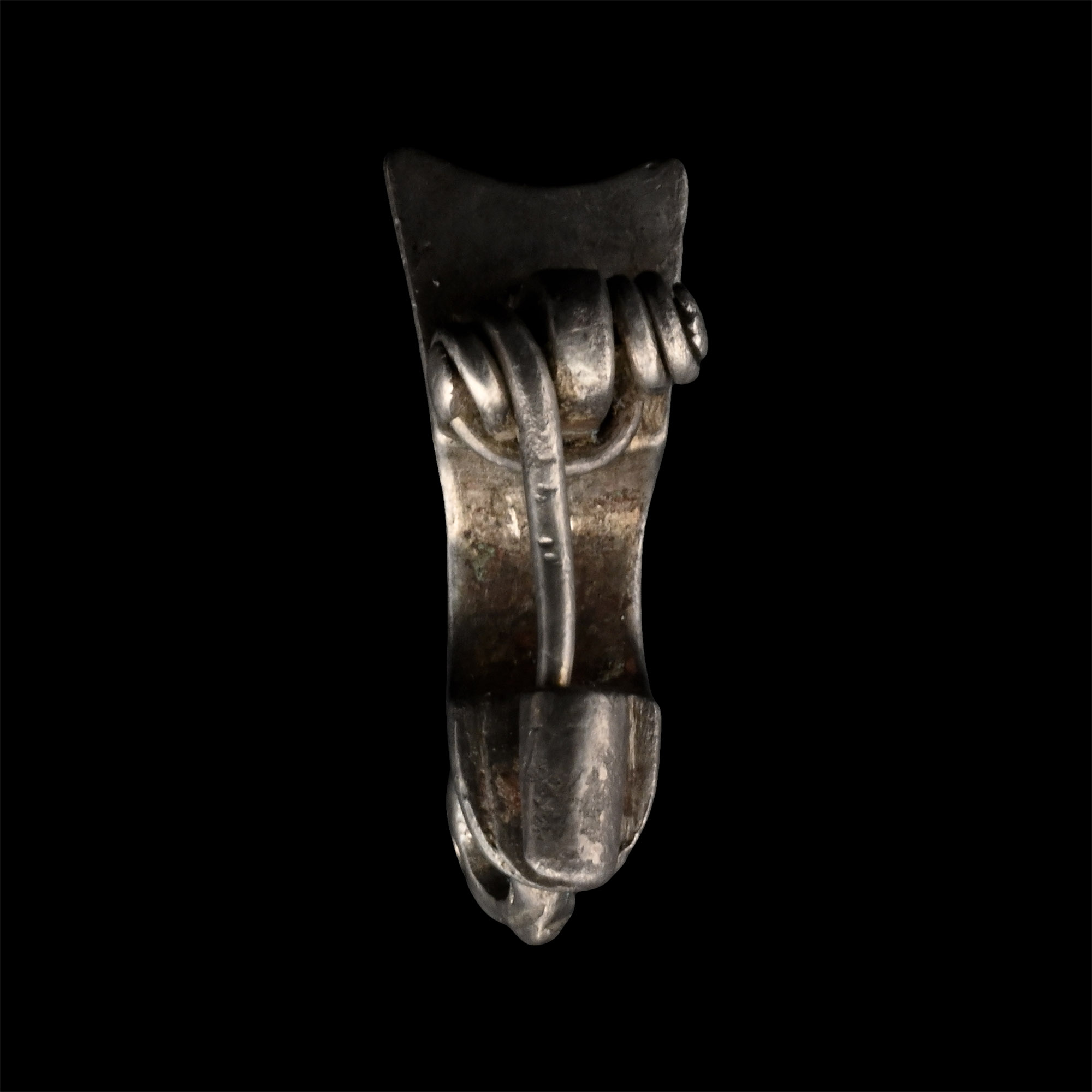
Roman Silver Duck Brooch
CIRCA 2ND CENTURY A.D.
1 in. (5.78 grams, 24 mm).
The bow formed as the arched body of the bird with looped head and beak; pin-lugs and pin to underside.
ProvenanceEx 'S' collection, London, UK, 1970s-1990s.
CONDITIONTimeLine Auctions follows a vetting process to ensure the authenticity and legality of all items, reinforcing our commitment to integrity and responsible trading. Each antiquity, antique, and coin lot undergoes thorough examination by a vetting committee of at least ten external specialists, professional trade association members, scientists, and archaeologists: Our Vetting Process
AUCTIONS:
TimeLine is a leading auction house specialising in antiquities, ancient art, collectables, natural history, coins, medals, and books. Our auctions offer museums, collectors, historians, and enthusiasts the opportunity to acquire unique and historically significant pieces.
-
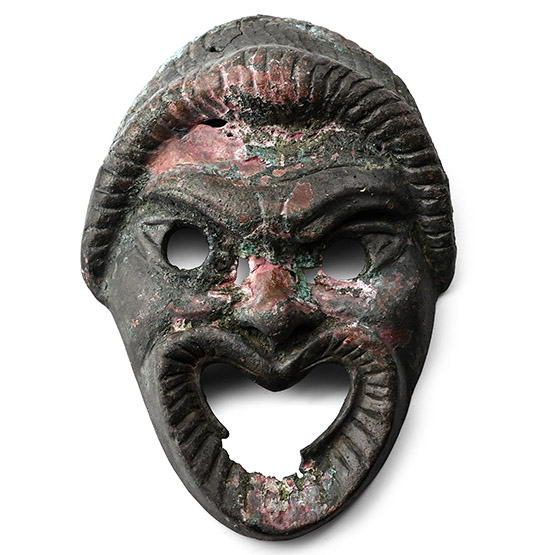
Roman Bronze Actor's Mask
1st-2nd century A.D.Sold for (Inc. bp): £234
Modelled in the half-round, with grotesque facial features and scooped crescentic mouth, segmented hair. 84 grams, 82 mm
Ex German art market, 2000s. Acquired from an EU collector living in London. From the collection of a Surrey, UK, gentleman. -
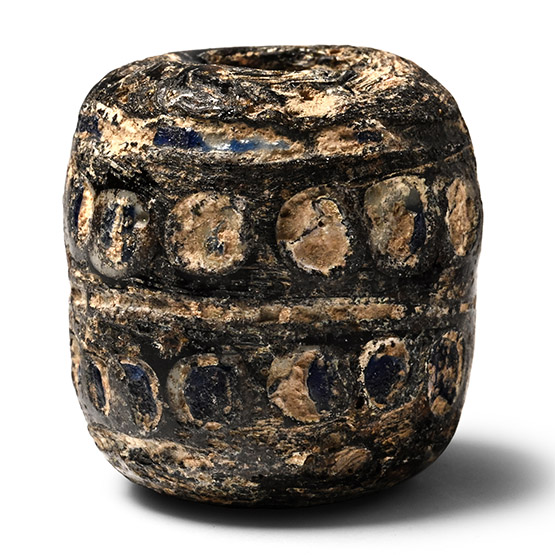
Roman Mosaic Glass Dots Bead
1st-3rd century A.D.Sold for (Inc. bp): £65
Barrel-shaped in profile with two circumferential bands of impressed pellets. 16.87 grams, 24 mm
London collection, 1979-1983. -

Sasanian Carnelian Gemstone of a Fantastic Creature with Pahlavi Legend
4th-5th century A.D.Estimate: £500 - 700 (+bp*)
Opening Bid: £250
Plano-convex in section with advancing winged and horned beast, Pahlavi legend to the border; supplied with a museum-quality impression. 0.32 grams, 10 mm
Private English collection, formed between the late 1970s and early 1990s. Private collection, London, UK.
Fanciful combinations of various human and animal heads, sometimes with the addition of other elements, are generally called grylloi. These fantastic devices were more than mere artists' fancies and were worn by the ancient Romans and others for their supposed efficacy in averting the evil eye.
