
Loading, please wait...
LOT 0778
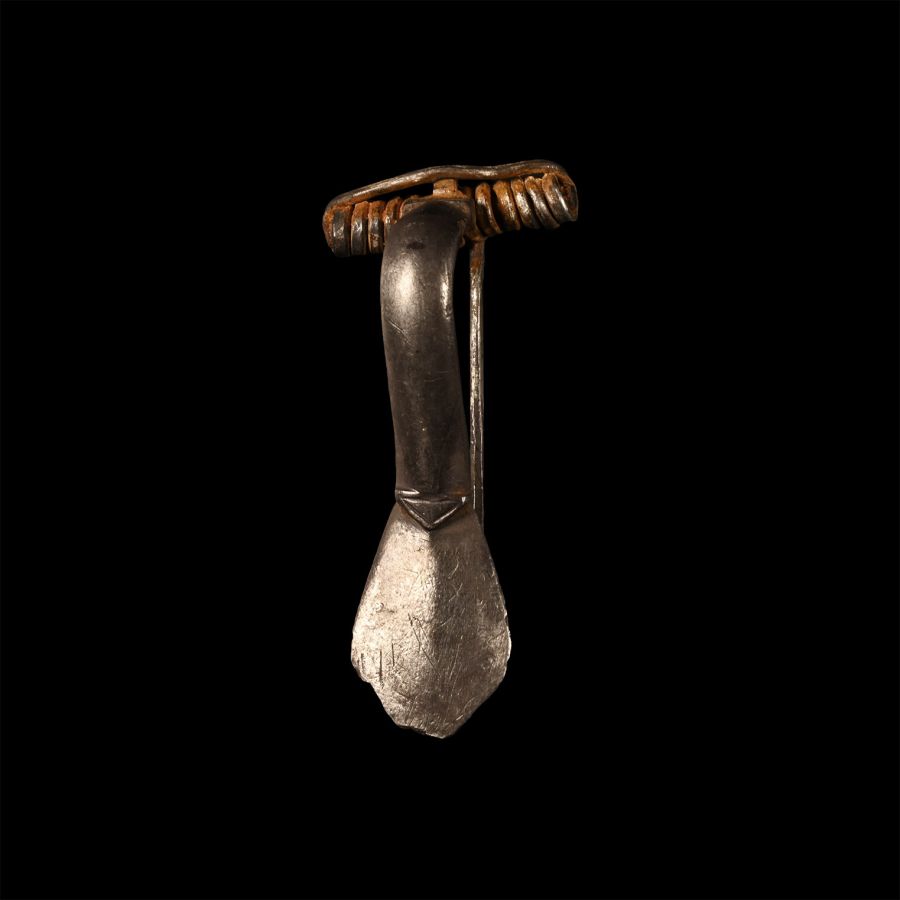
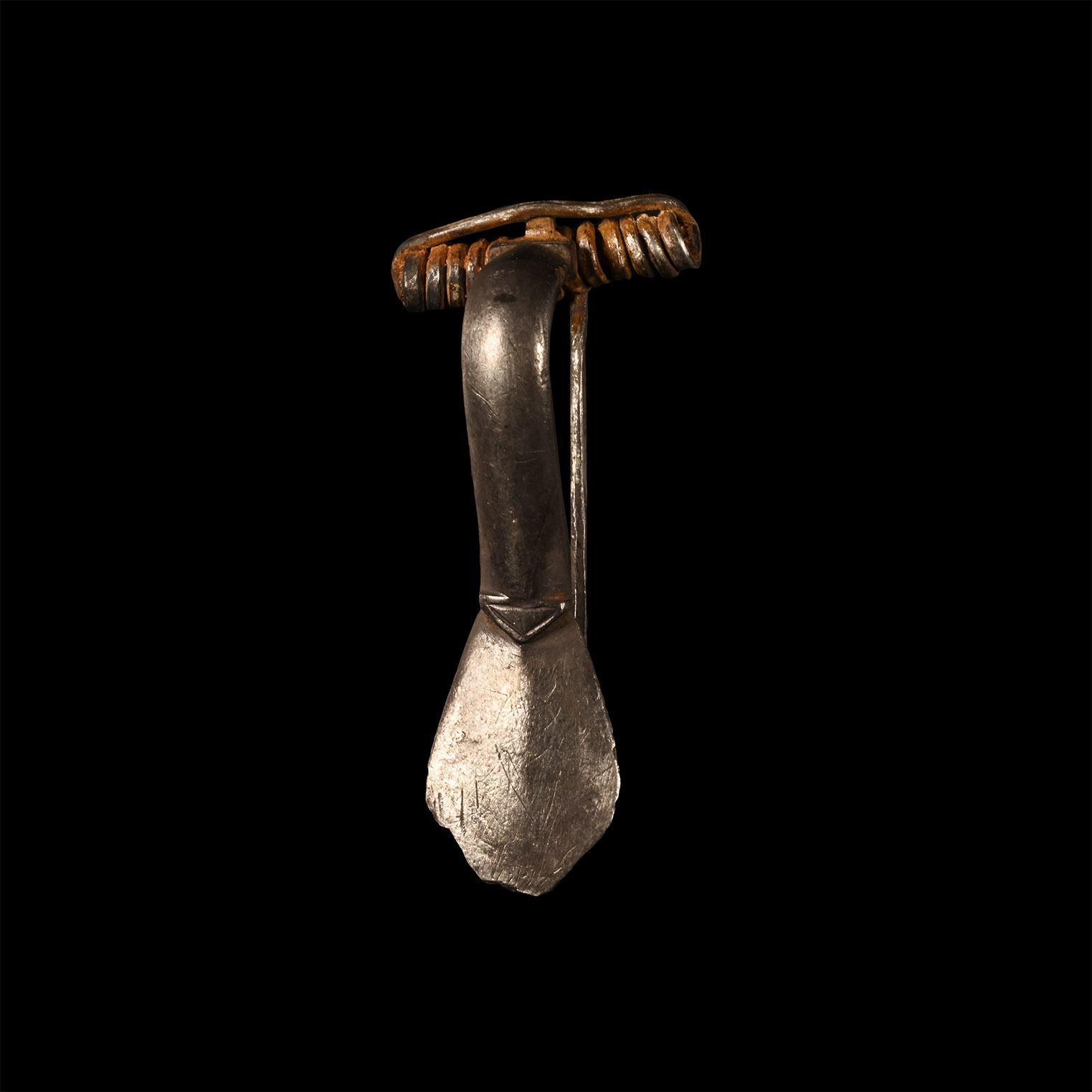
Roman Silver Bow Brooch
3RD-4TH CENTURY A.D.
1 3/4 in. (9.04 grams, 45 mm).
A silver bow brooch with trapezoidal footplate, a raised triangular plaque to the base of the bow; spring, pin and catchplate to reverse. [No Reserve]
ProvenanceAcquired before 2000.
From the collection of a European gentleman living in the UK.
TimeLine Auctions follows a vetting process to ensure the authenticity and legality of all items, reinforcing our commitment to integrity and responsible trading. Each antiquity, antique, and coin lot undergoes thorough examination by a vetting committee of at least ten external specialists, professional trade association members, scientists, and archaeologists: Our Vetting Process
AUCTIONS:
TimeLine is a leading auction house specialising in antiquities, ancient art, collectables, natural history, coins, medals, and books. Our auctions offer museums, collectors, historians, and enthusiasts the opportunity to acquire unique and historically significant pieces.
-
Roman Aubergine Glass Vessel with Trails
3rd-5th century A.D.Estimate: £400 - 600 (+bp*)
Opening Bid: £200
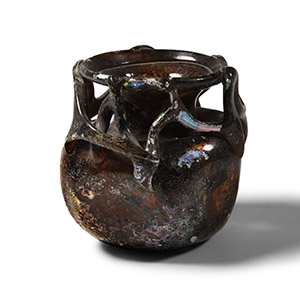
An aubergine glass jar with dimples around the circumference, trumpet-style neck and rim, applied openwork trails around the shoulder; pontil to base; iridescent surfaces. 64 grams, 68 mm wide
Acquired UK, in the 1980s. Property of a London gentleman. -
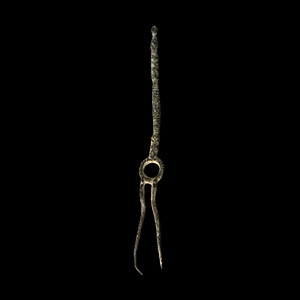
Roman Oyster Fork
1st-4th century A.D.Sold for (Inc. bp): £20
A bronze oyster fork comprising a tapering balustered handle, hoop and two long tines. 6 grams, 10.4 cm
Acquired early 2000s. Property of a Birmingham, UK, collector. Property of an Essex, UK, gentleman. -
.jpg)
Large Roman Rectangular Glass Bottle
3rd-4th century A.D.Estimate: £2,000 - 3,000 (‡+bp*)
Opening Bid: £500
A mottled aqua-green glass bottle, the body square in plan with tall tubular trumpet-shaped mouth and neck, folded ribbed-strap handle; moulded detail to the underside of four anchor-shaped motifs radiating from the centre; cracked. 479 grams, 20.2 cm high
Acquired early 1990s. Ex private American collection; thence by descent. Private Swiss collection since 1998. This lot has been checked against the Interpol Database of stolen works of art and is accompanied by search certificate no.11634-199024.
