
Loading, please wait...
LOT 1031
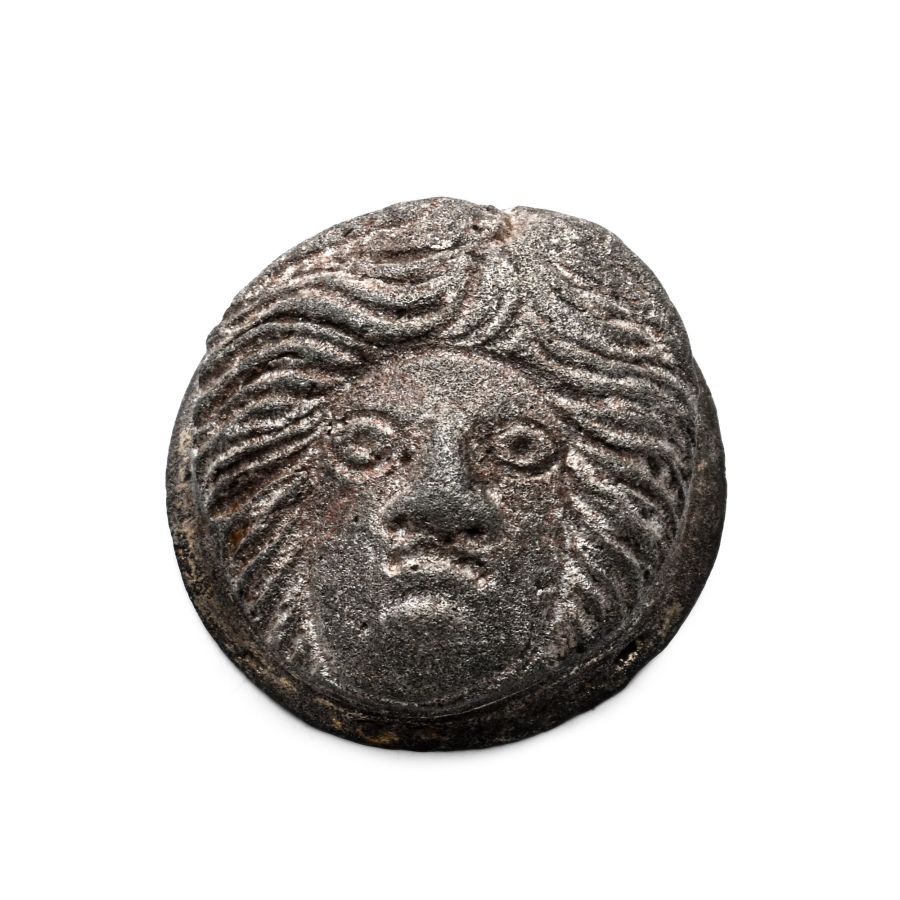
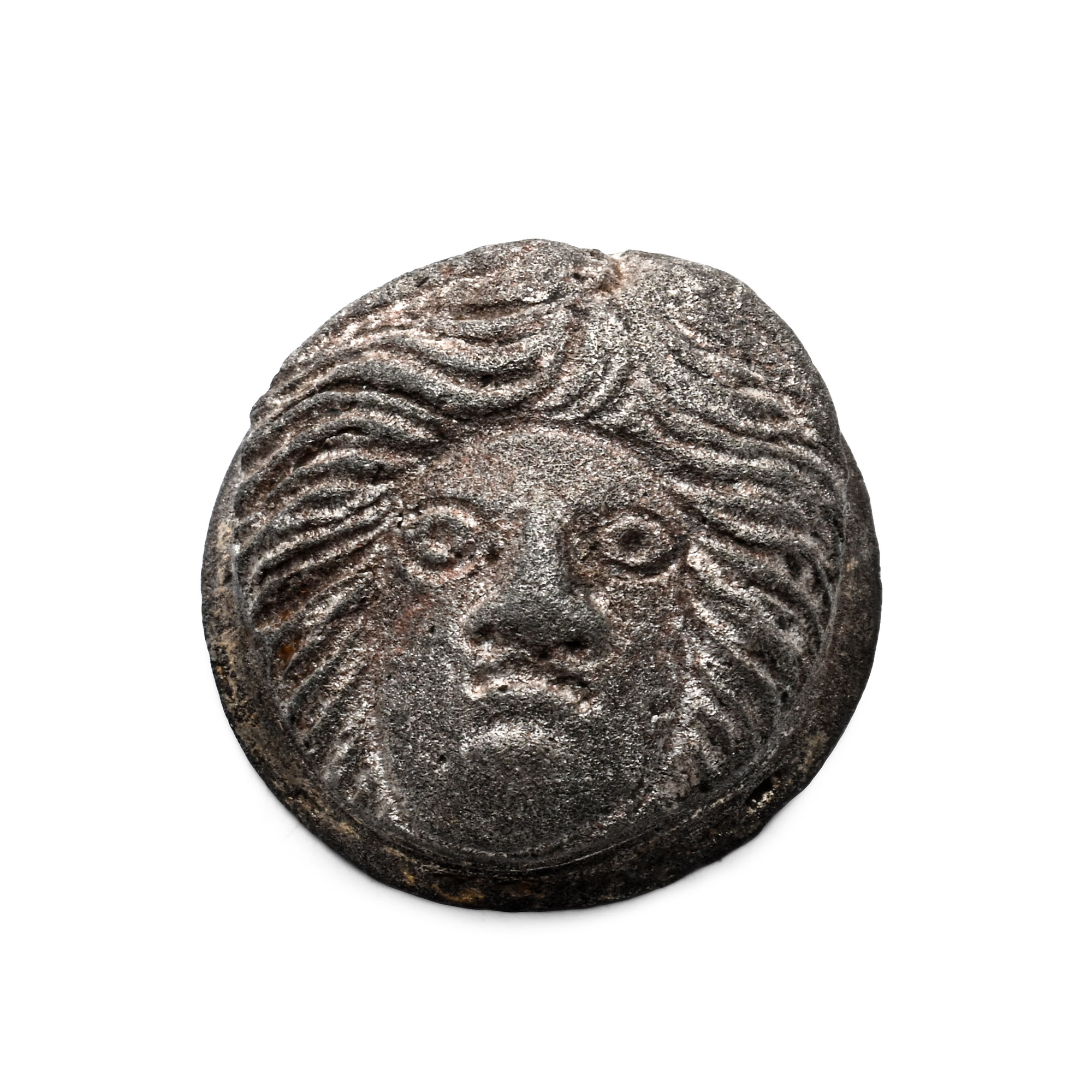
Roman Silver Appliqué with Head of Medusa
2ND-3RD CENTURY A.D.
3/4 IN. (9.03 grams, 19 mM).
Discoid in plan with a gorgoneion motif; hollow to reverse. [No Reserve]
ProvenanceProperty of a European gentleman, acquired from the estate of a London collector (formed before 2000).
CONDITIONTimeLine Auctions follows a vetting process to ensure the authenticity and legality of all items, reinforcing our commitment to integrity and responsible trading. Each antiquity, antique, and coin lot undergoes thorough examination by a vetting committee of at least ten external specialists, professional trade association members, scientists, and archaeologists: Our Vetting Process
AUCTIONS:
TimeLine is a leading auction house specialising in antiquities, ancient art, collectables, natural history, coins, medals, and books. Our auctions offer museums, collectors, historians, and enthusiasts the opportunity to acquire unique and historically significant pieces.
-
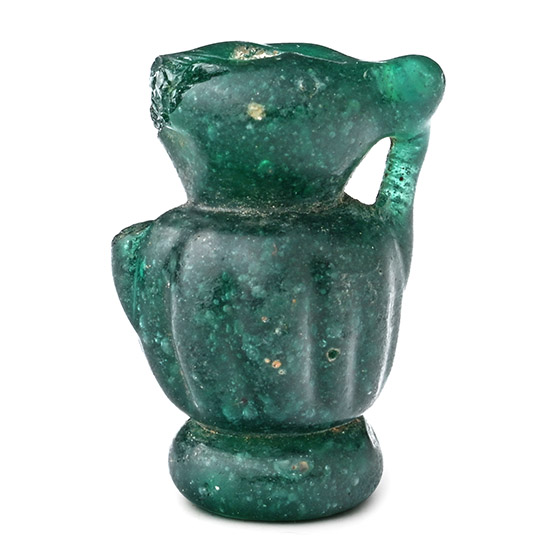
Roman Green Glass Pendant Jug with Ribbed Body
Circa 1st-4th century A.D.Sold for (Inc. bp): £33
Modelled in the round with a fluted body and flaring foot and rim, an angular handle to one side, pierced through the body for suspension. 2.13 grams, 17 mm
Ex private collection of the late Mr S.M., London, UK, 1970s-1990s. -
.jpg)
Roman Bronze Amphora and Trumpets Plate Brooch
2nd-3rd century A.D.Sold for (Inc. bp): £124
Composed of a central amphora with ribbed body flanked by trumpet-shaped scrolls, a pin and catch on the reverse. 13.2 grams, 34 mm
From the private coin collection of a West London, UK, gentleman, formed since the mid 1980s. -
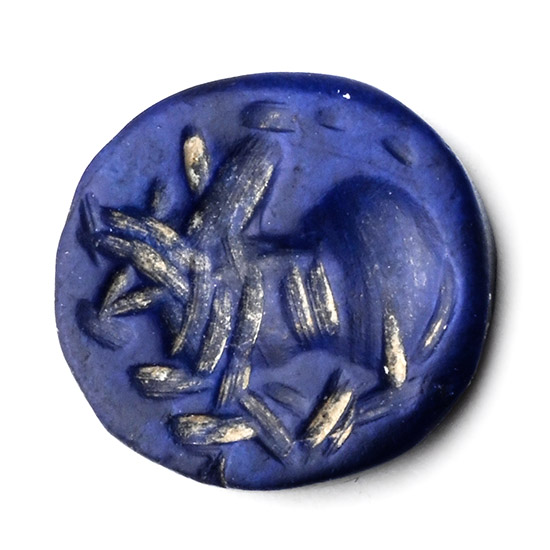
Eastern Roman Dark Blue Gemstone with Rider to Left
2nd-3rd century A.D.Sold for (Inc. bp): £52
Discoid in plan with an incuse horseman figure. 0.26 grams, 9 mm
Property of a European gentleman, acquired from the estate of a London collector (formed before 2000).
