
Loading, please wait...

LOT 0117
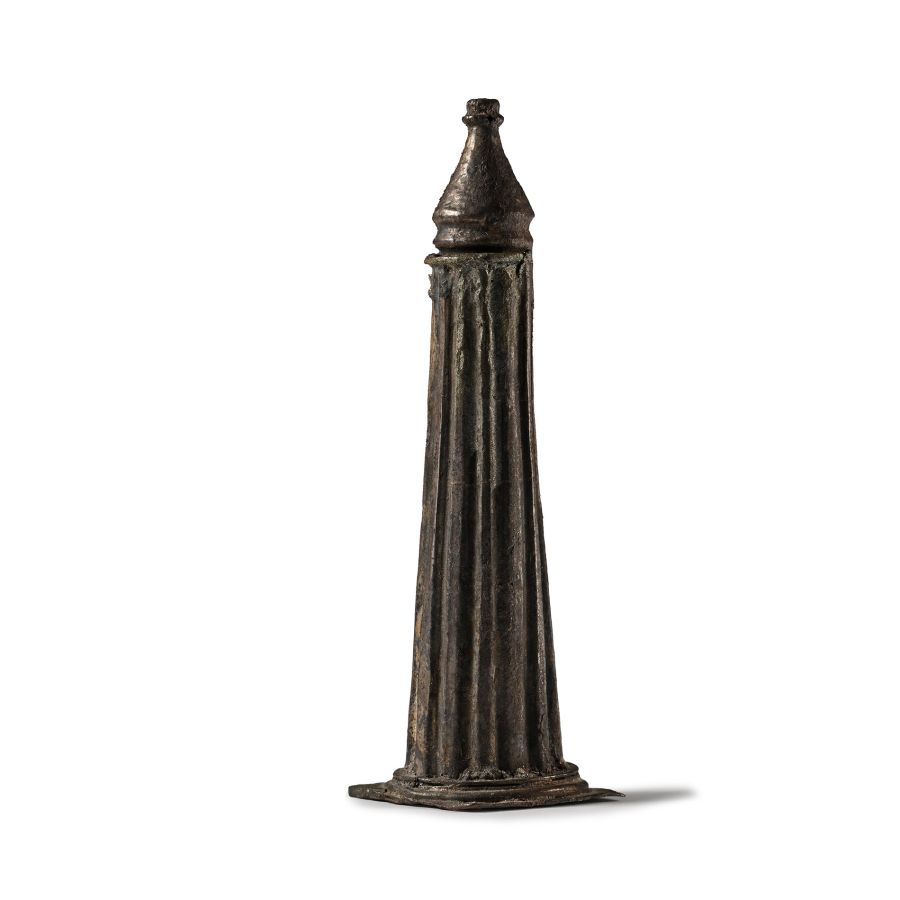
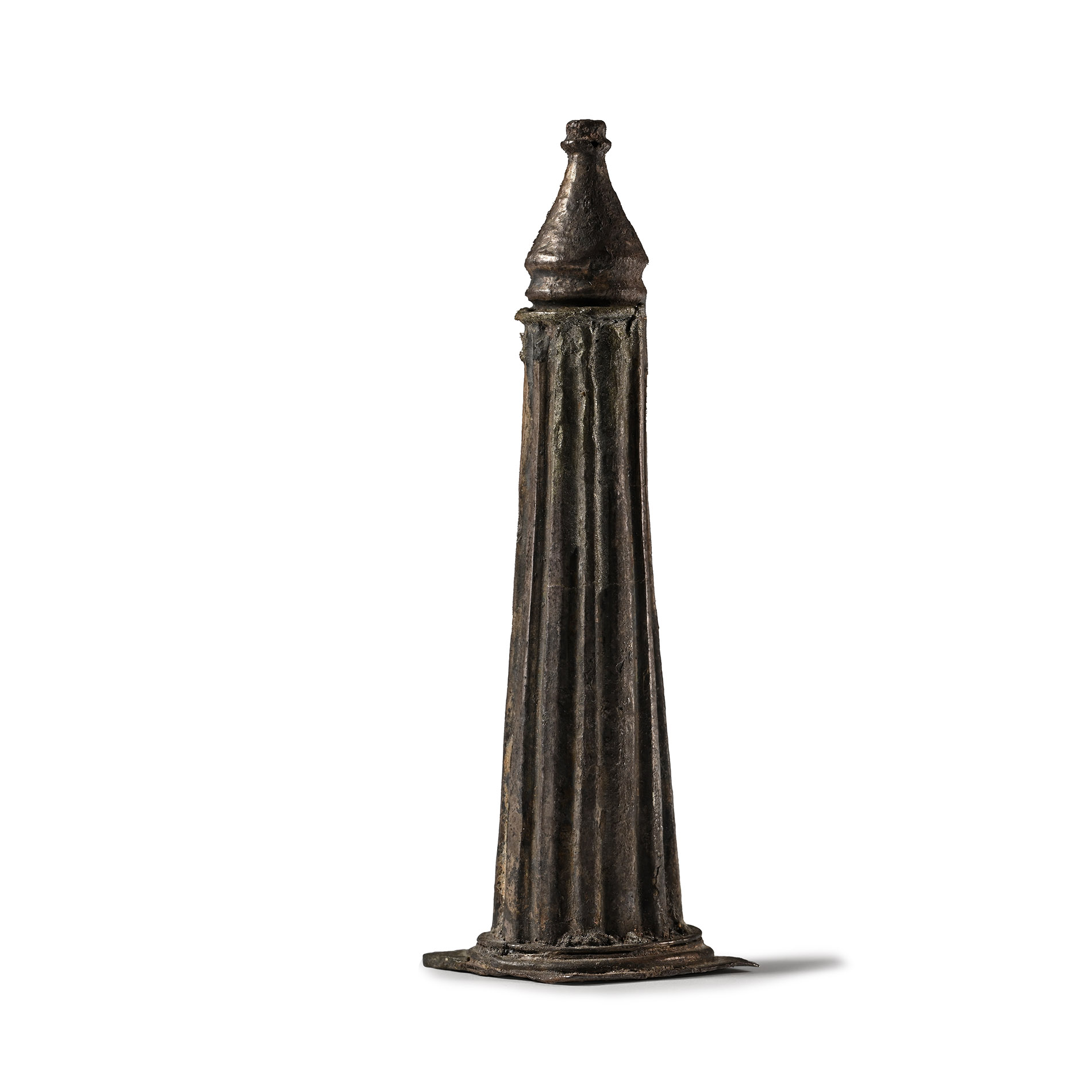
Roman Sheet-Silver Pyxis in the form of a Column
1ST-2ND CENTURY A.D.
3 1/4 in. (14.2 grams, 83 mm).
Formed as a fluted column on a square, stepped base; separate poppy-shaped lid; fine cracks to the rim.
ProvenanceEx Herbert A. Cahn, Basel, 1990s.
Accompanied by a copy of an Art Loss Register certificate no.S00037854.
This lot is accompanied by an illustrated lot declaration signed by the Head of the Antiquities Department, Dr Raffaele D’Amato.
TimeLine Auctions follows a vetting process to ensure the authenticity and legality of all items, reinforcing our commitment to integrity and responsible trading. Each antiquity, antique, and coin lot undergoes thorough examination by a vetting committee of at least ten external specialists, professional trade association members, scientists, and archaeologists: Our Vetting Process
AUCTIONS:
TimeLine is a leading auction house specialising in antiquities, ancient art, collectables, natural history, coins, medals, and books. Our auctions offer museums, collectors, historians, and enthusiasts the opportunity to acquire unique and historically significant pieces.
LOT 0117
Roman Sheet-Silver Pyxis in the form of a Column
Estimate £600 - 800€700 - 930 (for guidance only)$810 - 1,080 (for guidance only)
-
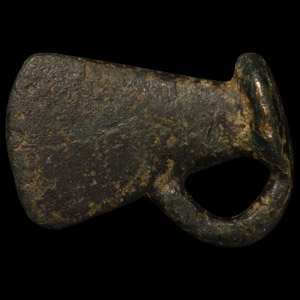
Romano-British Bronze Votive Axehead Pendant
1st-2nd century A.D.Sold for (Inc. bp): £65
Miniature axe with hammer-face to rear, mounting loop below. 2.8 grams, 19 mm
Found Essex, UK. This lot is accompanied by an illustrated lot declaration signed by the Head of the Antiquities Department, Dr Raffaele D’Amato. -
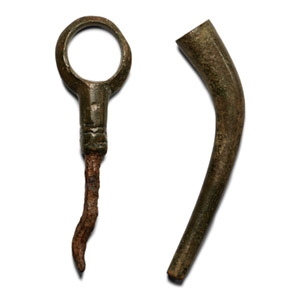
Roman Bronze Trumpet Mouth Piece and Handle
1st-4th century A.D.Sold for (Inc. bp): £20
Curved and tapering tube for a trumpet; bronze annular fitting with hooked iron shank. 70 grams total, 92-94 mm
Acquired from Ancient & Oriental in the 1990s. Ian Wilkinson collection, Nottinghamshire, UK, formed since 1985. This lot is accompanied by an illustrated lot declaration signed by the Head of the Antiquities Department, Dr Raffaele D’Amato. -
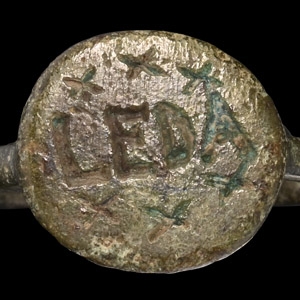
Roman Bronze Ring for LEDA
1st century B.C.-1st century A.D.Sold for (Inc. bp): £72
Discoid bezel with band of saltires surrounding 'LEDA' legend; Hellenistic type. 3.57 grams, 24.74 mm overall, 18.30 mm internal diameter (approximate size British Q, USA 8, Europe 17.49, Japan 16)
Ex German art market, 2000s. Acquired from an EU collector living in London. From the collection of Surrey, UK, gentleman. This lot is accompanied by an illustrated lot declaration signed by the Head of the Antiquities Department, Dr Raffaele D’Amato.
