
Loading, please wait...
LOT 0865
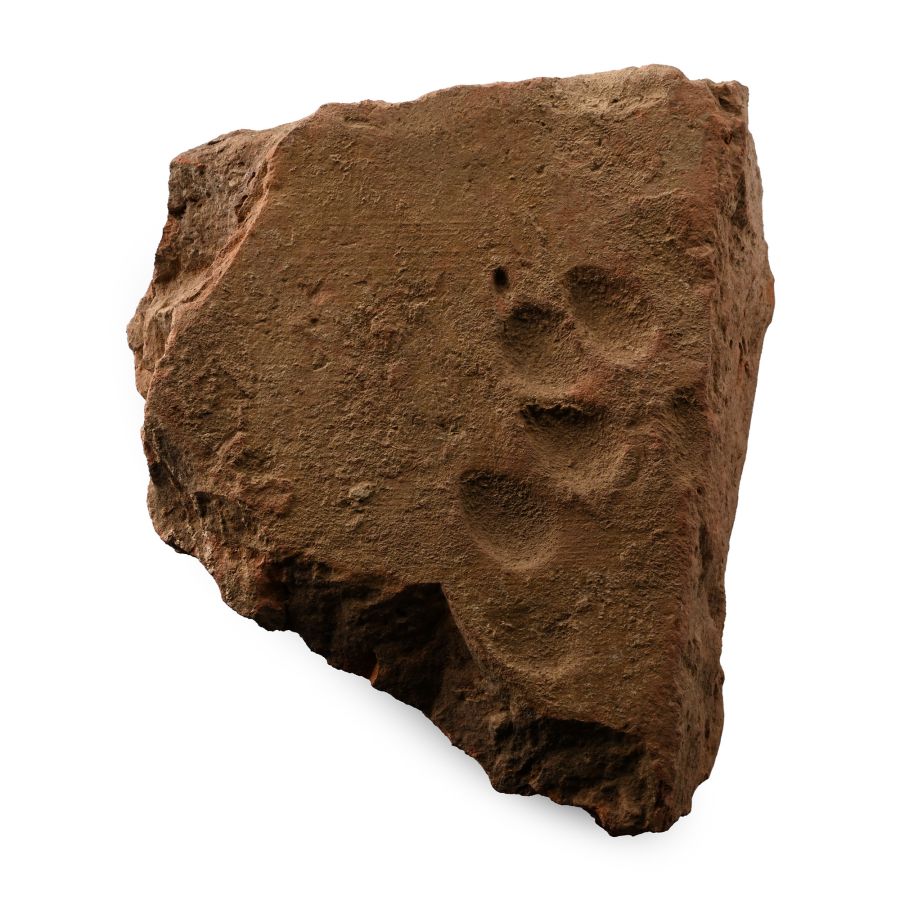
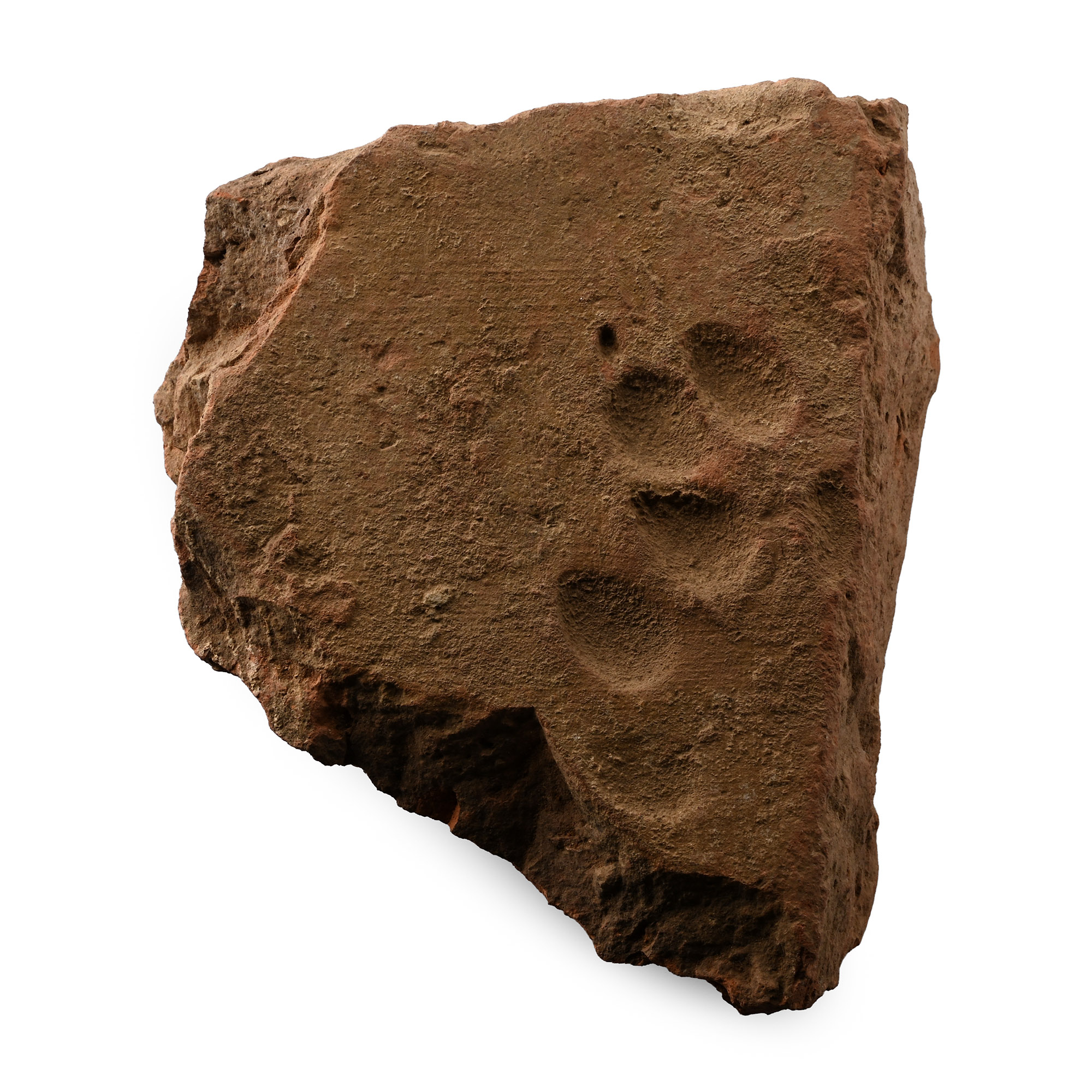
Roman Roof Tile with Dog Paw Print
1ST-4TH CENTURY A.D.
5 1/8 in. (560 grams, 13 cm).
An irregular fragment of terracotta tegula roof tile with the impression of a dog's paw in one broad face; old inked collector's reference 'R9-70' and printed slip. [No Reserve]
ProvenanceFound Warwickshire, UK.
From the private collection of Kenneth Machin (1936-2020), Buckinghamshire, UK; his collection of antiquities and natural history was formed since 1948; thence by descent.
This lot is accompanied by an illustrated lot declaration signed by the Head of the Antiquities Department, Dr Raffaele D'Amato.
TimeLine Auctions follows a vetting process to ensure the authenticity and legality of all items, reinforcing our commitment to integrity and responsible trading. Each antiquity, antique, and coin lot undergoes thorough examination by a vetting committee of at least ten external specialists, professional trade association members, scientists, and archaeologists: Our Vetting Process
AUCTIONS:
TimeLine is a leading auction house specialising in antiquities, ancient art, collectables, natural history, coins, medals, and books. Our auctions offer museums, collectors, historians, and enthusiasts the opportunity to acquire unique and historically significant pieces.
-
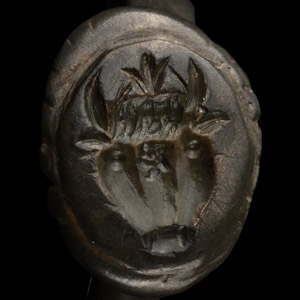
Roman Bronze Signet Ring with Bull's Head
4th-5th century A.D.Sold for (Inc. bp): £221
Ellipsoid bezel with incuse bucranium motif, star between the horns. 5.93 grams, 23.28 mm overall, 19.28 mm internal diameter (approximate size British R, USA 8 1/2, Europe 18 3/4, Japan 18)
Ex German art market, 2000s. Acquired from an EU collector living in London. From the collection of a Surrey, UK, gentleman. This lot is accompanied by an illustrated lot declaration signed by the Head of the Antiquities Department, Dr Raffaele D'Amato.
The bull-head motif is used in Mithraism, where it represents masculine power. -
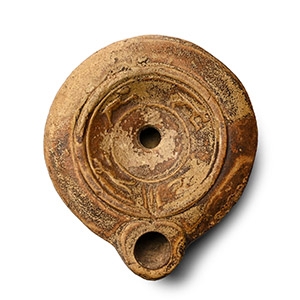
Roman Terracotta Oil Lamp with Running Dogs
2nd century A.D.Sold for (Inc. bp): £195
Discoid in plan with short nozzle, broad shoulder, discus with frieze of four chasing hounds. 48 grams, 85 mm
From the private collection of a Canadian gentleman living in Essex, UK, formed since the 1920s-circa 1990. Property of an Essex lady until the late 1990s; thence by descent. From the private collection of an Essex gentleman since the late 1990s. This lot is accompanied by an illustrated lot declaration signed by the Head of the Antiquities Department, Dr Raffaele D'Amato.
The lamp seems to belong to the type Bussière form D I 3, related to the Claudian to Trajanic period. Scholars collocated such lamps in this category due to the absence of a handle. They are all mould made, with a central filling hole and flat shoulders. -
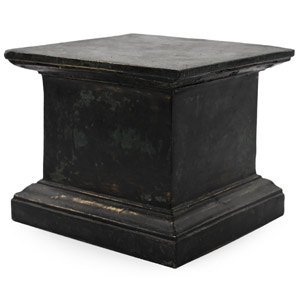
Roman Bronze Statue Base
1st-3rd century A.D.Sold for (Inc. bp): £572
Square in plan, tiered in profile, hollow to the underside. 650 grams, 84 mm
London art market, 1997. Private collection, UK. This lot is accompanied by an illustrated lot declaration signed by the Head of the Antiquities Department, Dr Raffaele D'Amato.
