
Loading, please wait...
LOT 0598
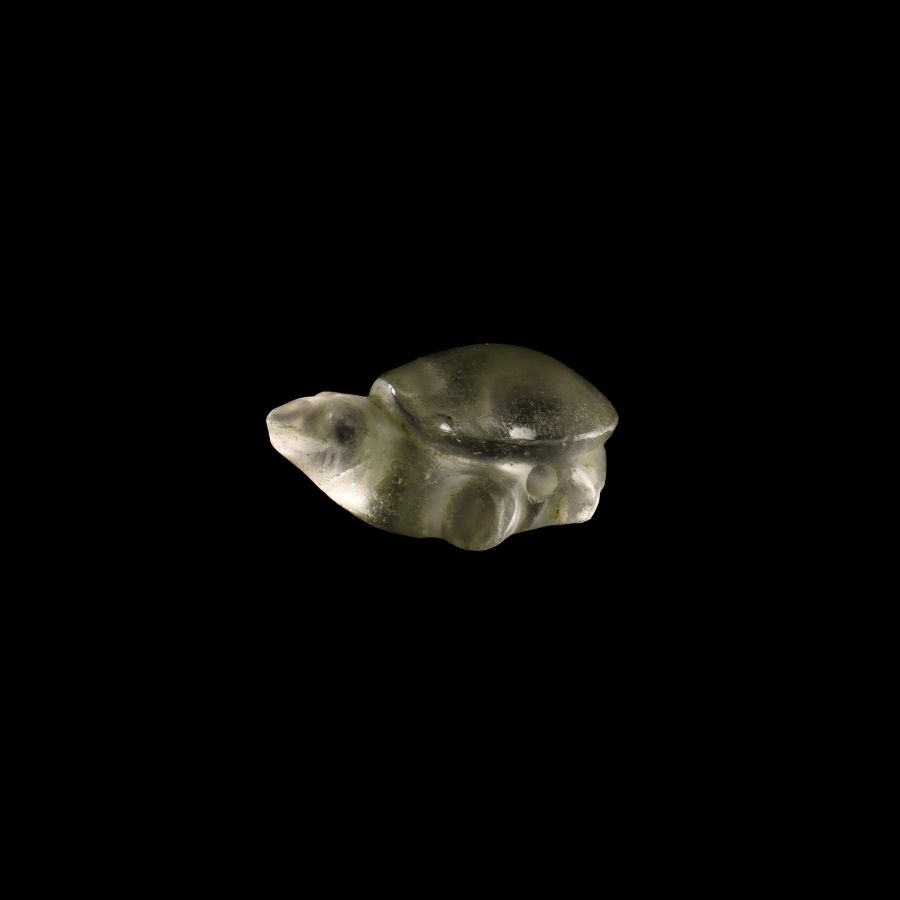
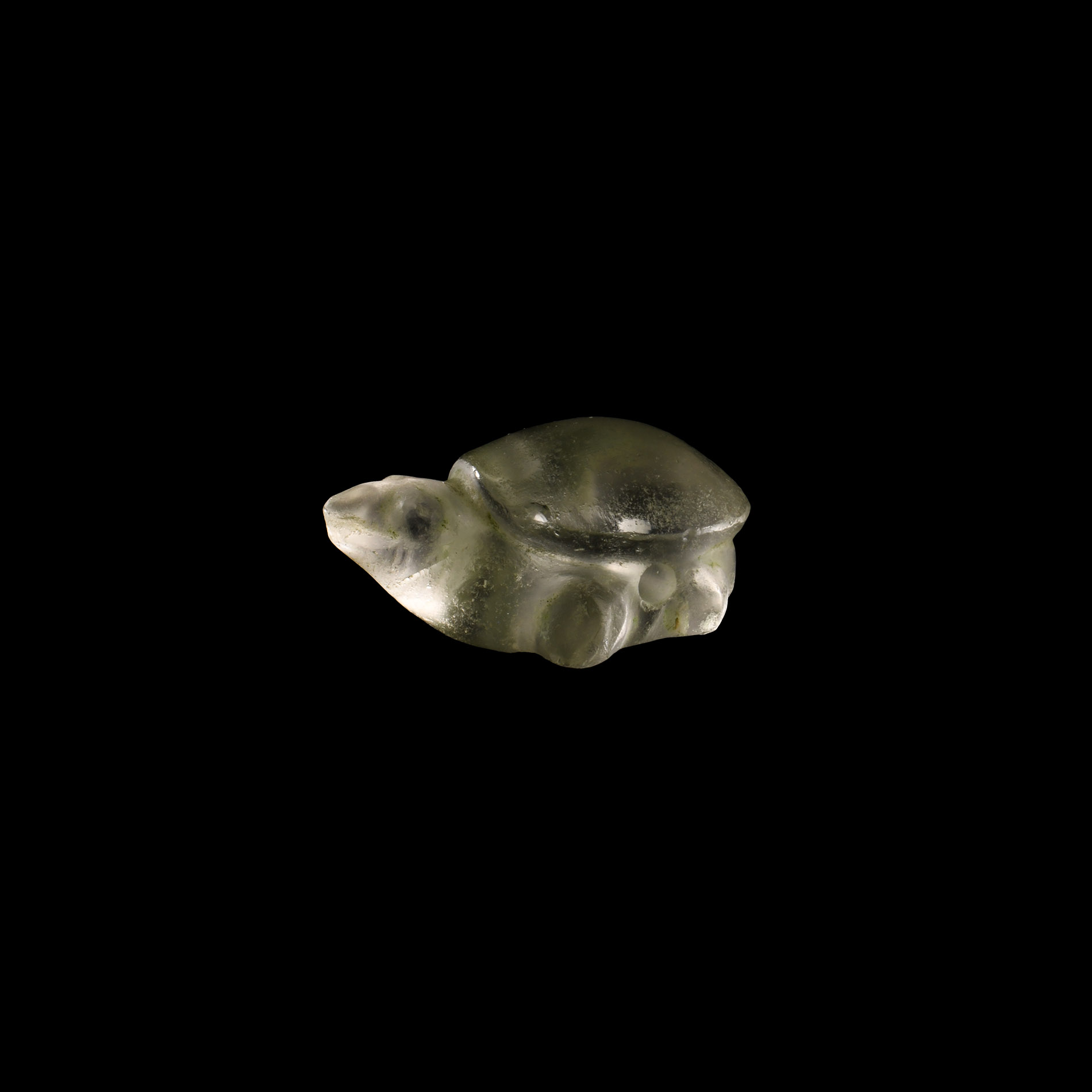
Roman Rock Crystal Tortoise Amulet
1ST-4TH CENTURY A.D. OR LATER
1 in. (5.38 grams, 23 mm).
Polished and carved in the round with simple stylised detailing; drilled for suspension.
Provenancewith a London, UK gallery, 1971-early 2000s.
LiteratureCf. Ancient Jewellery, Galerie Nefer, 1993, page 53.
CONDITIONTimeLine Auctions follows a vetting process to ensure the authenticity and legality of all items, reinforcing our commitment to integrity and responsible trading. Each antiquity, antique, and coin lot undergoes thorough examination by a vetting committee of at least ten external specialists, professional trade association members, scientists, and archaeologists: Our Vetting Process
AUCTIONS:
TimeLine is a leading auction house specialising in antiquities, ancient art, collectables, natural history, coins, medals, and books. Our auctions offer museums, collectors, historians, and enthusiasts the opportunity to acquire unique and historically significant pieces.
LOT 0598
Roman Rock Crystal Tortoise Amulet
Estimate £500 - 700€580 - 810 (for guidance only)$680 - 950 (for guidance only)
-
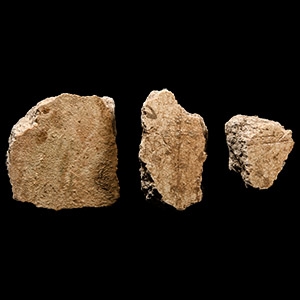
Roman Wall Plaster Fragment Group
Circa 1st century A.D.Sold for (Inc. bp): £4
Each amorphous fragment displaying one prepared surface and retaining Roman cement to the reverse. 494 grams total, 58-91 mm
From a North London collection in the 1990s. -
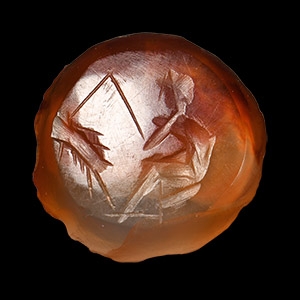
Roman Gemstone with Fisherman
Circa 1st century A.D.Sold for (Inc. bp): £130
Engraved on a circular carnelian stone, displaying a seated fisherman with a fish on his line; accompanied by a museum-quality impression. 1.15 grams, 13 mm
Acquired on the European art market in the late 1960s-early 1970s. -
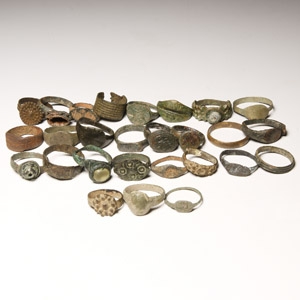
Roman and Later Bronze Ring Collection
1st-19th century A.D.Sold for (Inc. bp): £124
Featuring a range of ring sizes and types; the majority with decorative bezels displaying floral, geometric, buckle and other designs, including one inscribed 'TIT /TIT' over two lines. 75 grams total, 16-30 mm
Acquired on the UK art market. Property of a Ruislip, UK, gentleman, by inheritance.
