
Loading, please wait...
LOT 0708
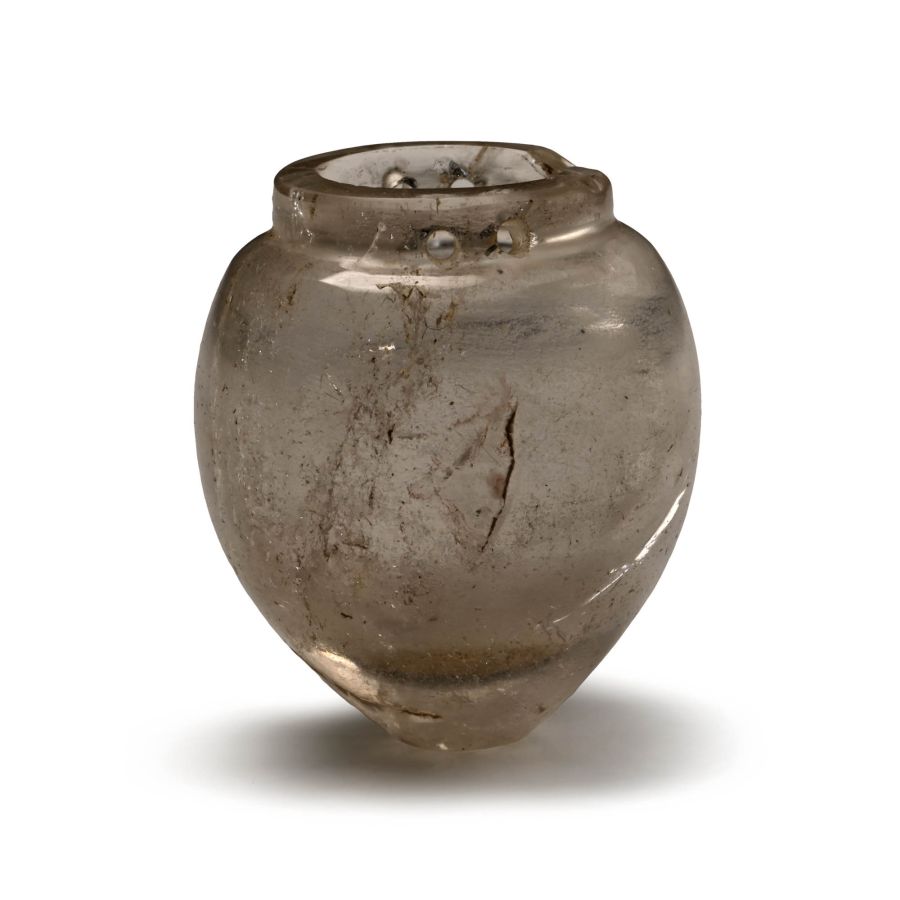
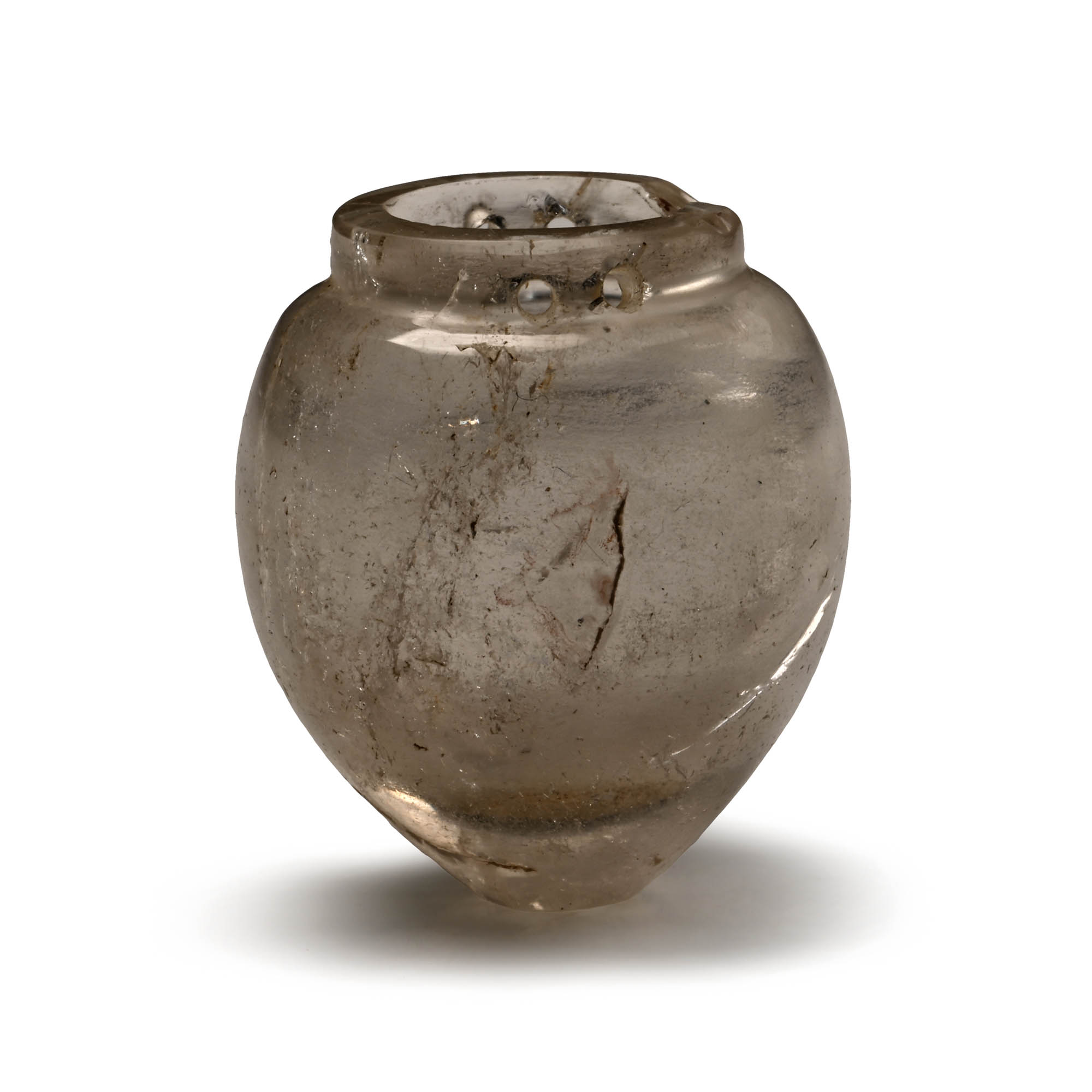
Roman Rock Crystal Situla
1ST-2ND CENTURY A.D.
1 1/8 in. (15.6 grams, 30 mm).
Ovoid in profile with square-section rim.
ProvenanceFrom the private collection of Mr K.A., acquired in the 1990s-early 2000s.
CONDITIONTimeLine Auctions follows a vetting process to ensure the authenticity and legality of all items, reinforcing our commitment to integrity and responsible trading. Each antiquity, antique, and coin lot undergoes thorough examination by a vetting committee of at least ten external specialists, professional trade association members, scientists, and archaeologists: Our Vetting Process
AUCTIONS:
TimeLine is a leading auction house specialising in antiquities, ancient art, collectables, natural history, coins, medals, and books. Our auctions offer museums, collectors, historians, and enthusiasts the opportunity to acquire unique and historically significant pieces.
-
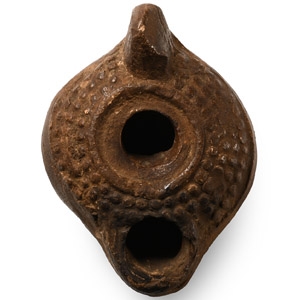
Roman Decorated Terracotta Oil Lamp
Circa 4th century A.D.Sold for (Inc. bp): £39
Squat and biconvex in section with thick lug handle and deep nozzle, the shoulder with horizontal bands of pellets; old collector's inked reference 'OL12' to underside. 70 grams, 75 mm
Acquired from a Kidlington, UK, collection. From the private collection of Kenneth Machin (1936-2020), Buckinghamshire, UK; with collection no.OL12; his collection of antiquities and natural history was formed since 1948; thence by descent. -
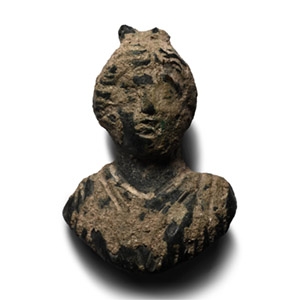
Roman Bronze Bust of a Woman
2nd-3rd century A.D.Estimate: £200 - 300 (‡+bp*)
Opening Bid: £100
Modelled in the round with stephane to the hair, peplos dress with undertunic; mounting lug to reverse. 140 grams, 60 mm
Acquired in the mid 1980s-1990s. Private collection, Switzerland, thence by descent. Private collection, since the late 1990s. -
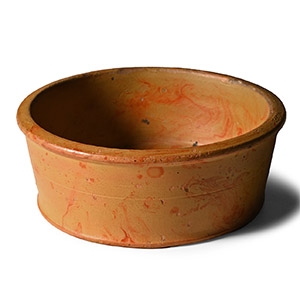
Early Roman Marbled Pottery Dish
1st century B.C.-1st century A.D.Sold for (Inc. bp): £780
With raised rim to base and fared sidewall, carination to the rim. 79 grams, 82 mm
Ex West Country specialist collection of Roman pottery, UK, 1990s.
