
Loading, please wait...
LOT 0800
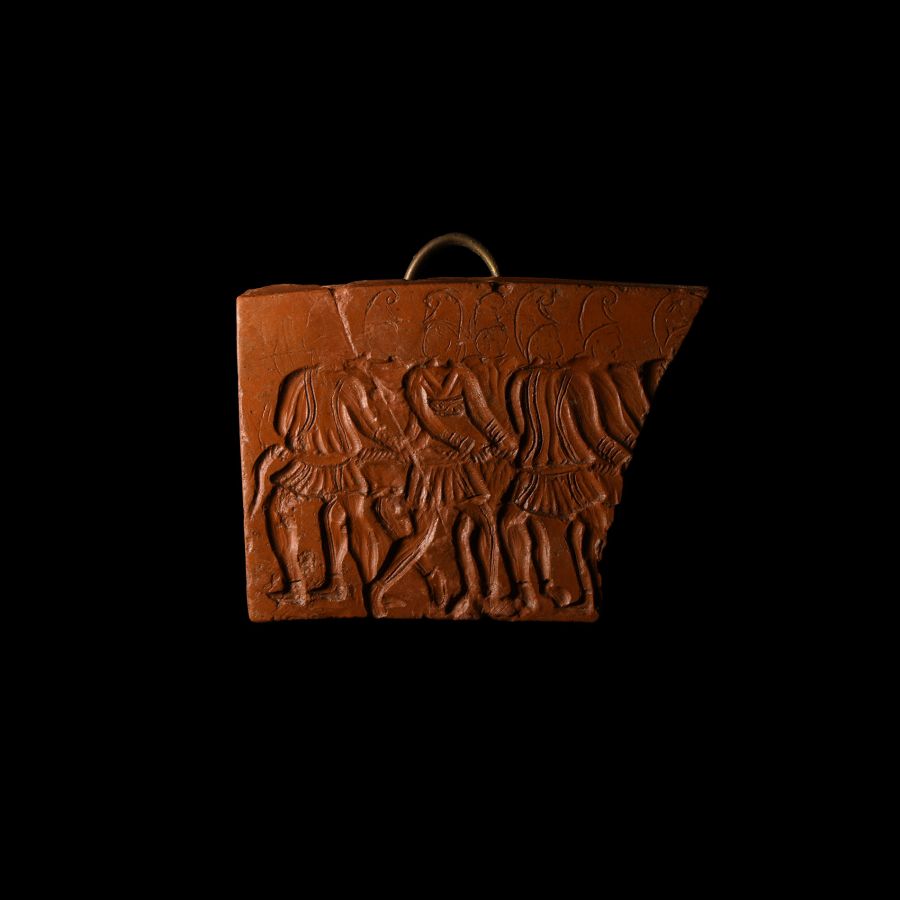
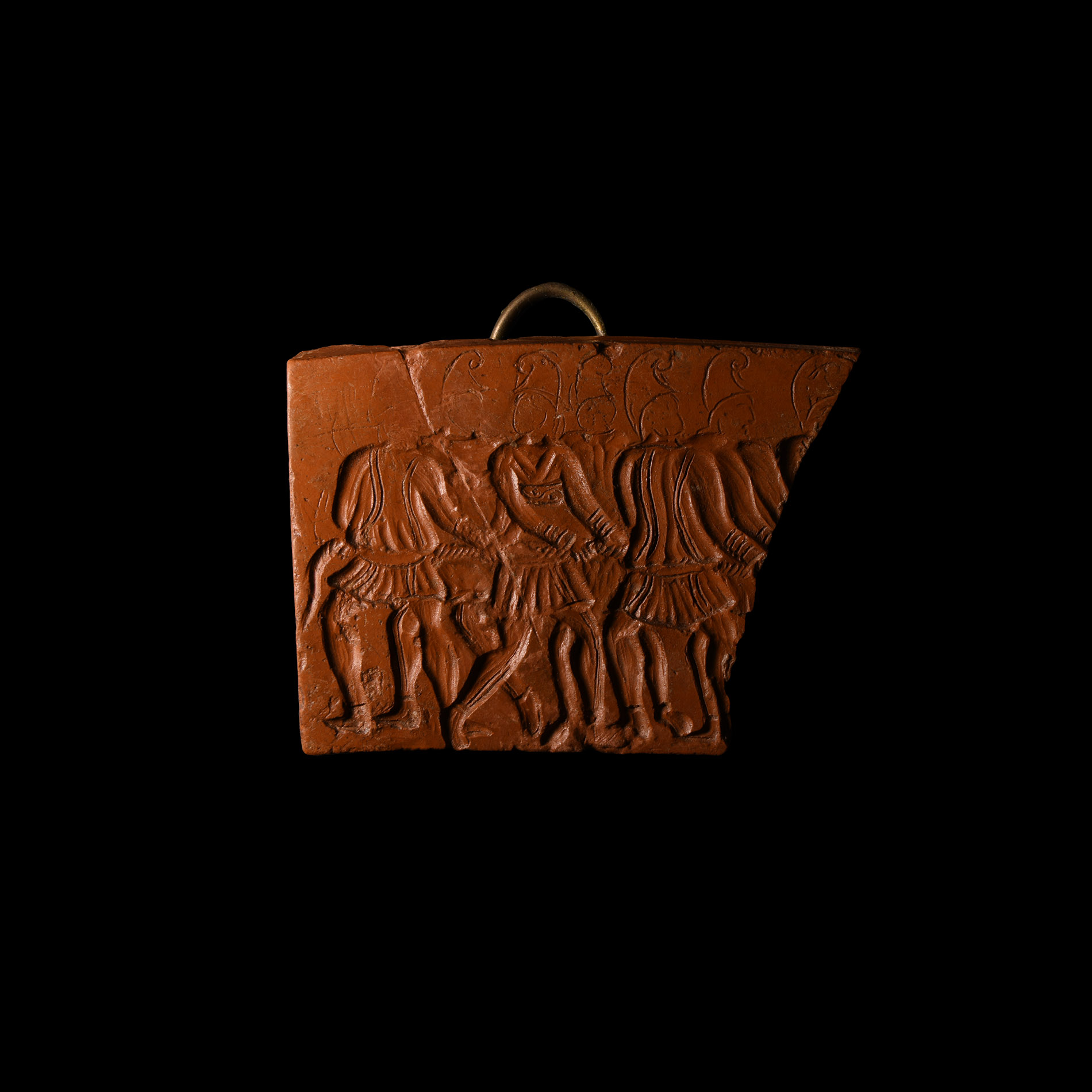
Roman Redware Sherd with Warriors from the Trojan Cycle
4TH-5TH CENTURY A.D.
4 in. (163 grams, 10.1 cm).
Displaying an possibly unfinished scene composed of robed warriors or other figures wearing Phrygian caps, wide tunics with segmenta, oriental trousers (anaxyrida) and tugging on a rope; later attachment loop to the reverse. [No Reserve]
ProvenanceAcquired 1960s-1990s.
From the late Alison Barker collection, a retired London barrister.
Cf. for a similar image of warriors see the miniature of Ilias Amrosiana in Del Como, D. (ed.), Omero, Iliade ed Odissea, Milano, 1983, p.507.
FootnotesThe scene probably represents an episode of the Trojan cycle, with the Trojans (usually represented in Late Antiquity with a Phrygian cap, wide sleeved tunics and Persian-style trousers) dragging the wooden horse inside the walls of Troy. In the late Roman Empire the Trojan cycle became often the subject of artistic representations, such as the famous Ilias Ambrosiana now preserved in Milan, or the miniatures of the Vergilius Romanus.
CONDITIONTimeLine Auctions follows a vetting process to ensure the authenticity and legality of all items, reinforcing our commitment to integrity and responsible trading. Each antiquity, antique, and coin lot undergoes thorough examination by a vetting committee of at least ten external specialists, professional trade association members, scientists, and archaeologists: Our Vetting Process
AUCTIONS:
TimeLine is a leading auction house specialising in antiquities, ancient art, collectables, natural history, coins, medals, and books. Our auctions offer museums, collectors, historians, and enthusiasts the opportunity to acquire unique and historically significant pieces.
LOT 0800
Roman Redware Sherd with Warriors from the Trojan Cycle
Sold for (Inc. bp): £104
-
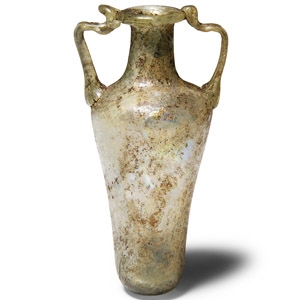
Roman Glass Amphora
1st-3rd century A.D.Sold for (Inc. bp): £390
Pale green colour with broad rounded shoulder tapering to a rounded base, cylindrical neck and everted rim, applied scrolling handles; iridescent surfaces. 31 grams, 97 mm high
Acquired 1980-2015. Ex Abelita family collection. -
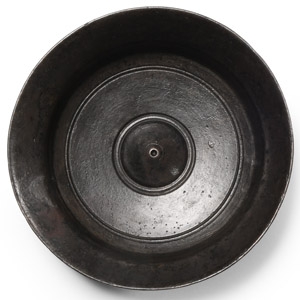
Roman Bronze Bowl with Concentric Circles
1st-3rd century A.D.Sold for (Inc. bp): £286
With flat base and central boss, flared rim, incised rings to the inner face. 142 grams, 83 mm
Acquired 1980-2015. Ex Abelita family collection. -
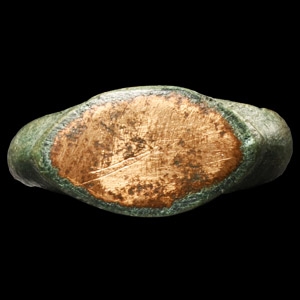
Roman Bronze Ring
1st century B.C.Sold for (Inc. bp): £52
With carinated hoop, elliptical bezel. 3.62 grams, 20.42 mm overall, 15.13 mm internal diameter (approximate size British H 1/2, USA 4, Europe 6.81, Japan 6)
Acquired from Den of Antiquity, Cambridgeshire, UK. Ex private Merseyside, UK, collection.
