
Loading, please wait...
LOT 1071
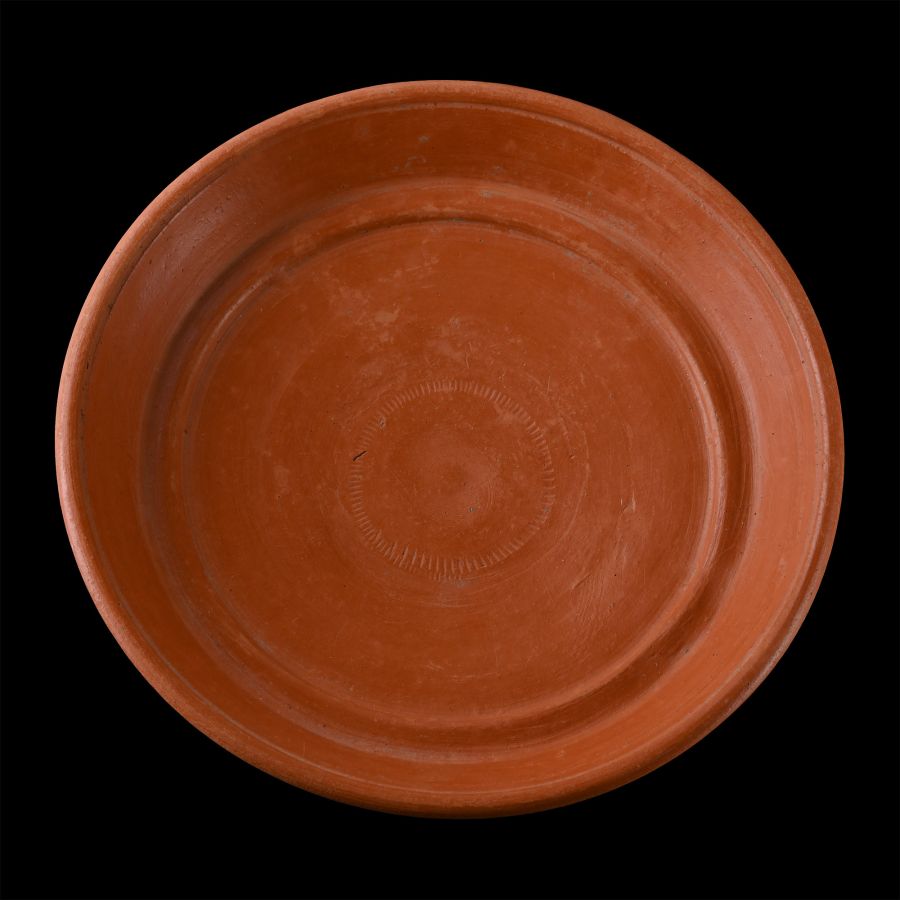
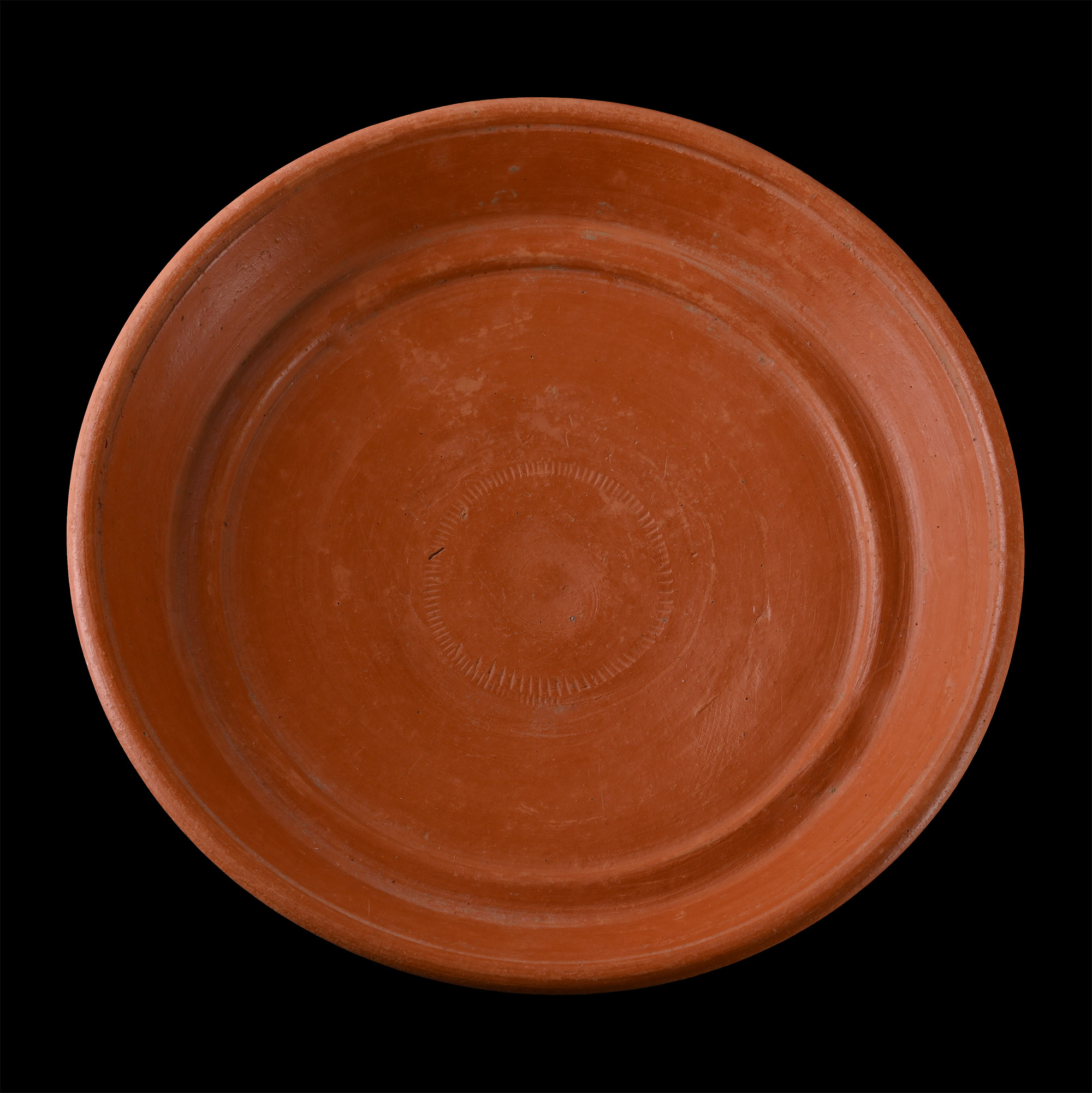
Roman Red Ware Decorated Dish
CIRCA 3RD-4TH CENTURY A.D.
6 3/8 in. (210 grams, 16.2 cm).
Shallow body with steep walls and thickened rim, circumferential groove beneath the rim and a hatched band at the centre. [No Reserve]
ProvenanceFrom the private collection of Mr Brian Edwards, New Malden, Surrey, UK, formed from the late 1970s-early 1980s; thence by descent.
Accompanied by the original collector's data sheet with reference no.A28.
TimeLine Auctions follows a vetting process to ensure the authenticity and legality of all items, reinforcing our commitment to integrity and responsible trading. Each antiquity, antique, and coin lot undergoes thorough examination by a vetting committee of at least ten external specialists, professional trade association members, scientists, and archaeologists: Our Vetting Process
AUCTIONS:
TimeLine is a leading auction house specialising in antiquities, ancient art, collectables, natural history, coins, medals, and books. Our auctions offer museums, collectors, historians, and enthusiasts the opportunity to acquire unique and historically significant pieces.
-
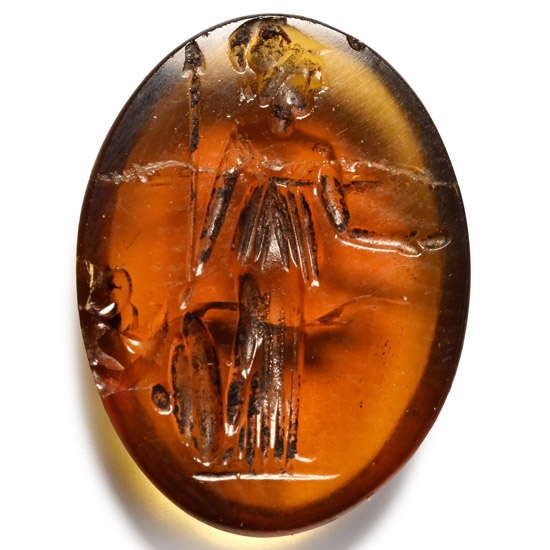
Roman Gemstone with Minerva
2nd century A.D.Estimate: £150 - 200 (+bp*)
Opening Bid: £70
Plano-convex in section with incuse image of Minerva standing with one hand extended, holding her spear and shield. 1.18 grams, 17 mm
Acquired 1970s-1996. Property of a North American collector. London collection, 2016.
In Rome, the Athena Promachos type occurs on imperial silver medallions of Domitian (struck in 92 AD), since Minerva was his personal protector. On gems, it became very common from the end of the 1st century BC onwards, even on the magical gemstones. -
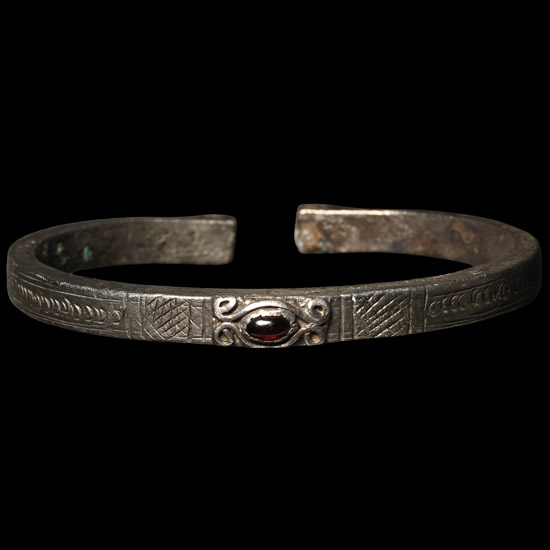
Roman Silver Decorated Bracelet with Cabochon Garnet
1st-4th century A.D.Sold for (Inc. bp): £377
Rectangular-section penannular shank with clubbed ends, bands of impressed crescents to the outer face, hatched panel with applied wire scrolls and cabochon in cell. 22.9 grams, 61 mm
From the private collection of a European gentleman (1942-2024), formed since the 1970s. -
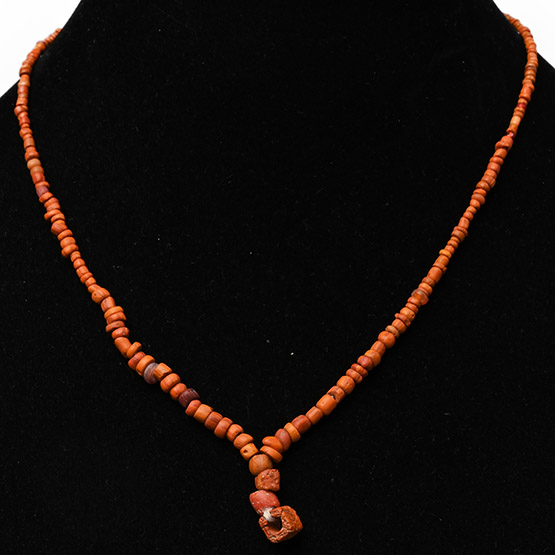
Roman Orange Glass Bead Necklace String
1st-4th century A.D. and laterSold for (Inc. bp): £195
Composed of gently graduating beads with larger beads as a central feature, restrung. 8.01 grams, 38 cm
Ex London, UK, collection, 1990s.
