
Loading, please wait...
LOT 0030
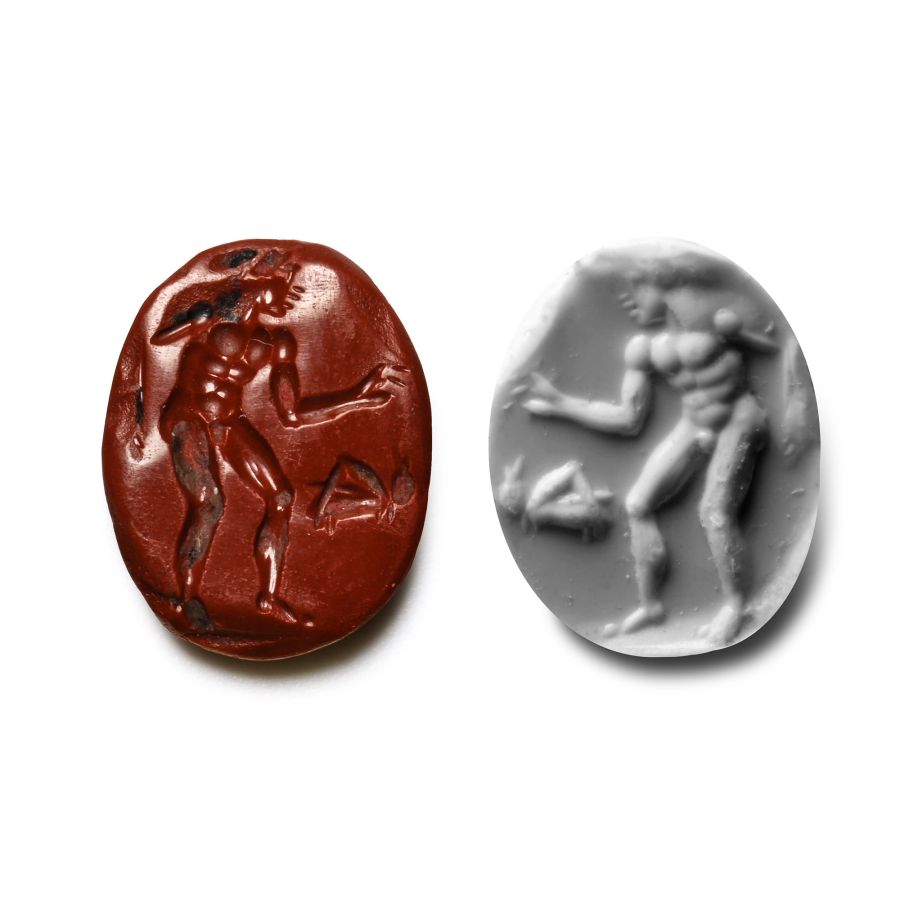
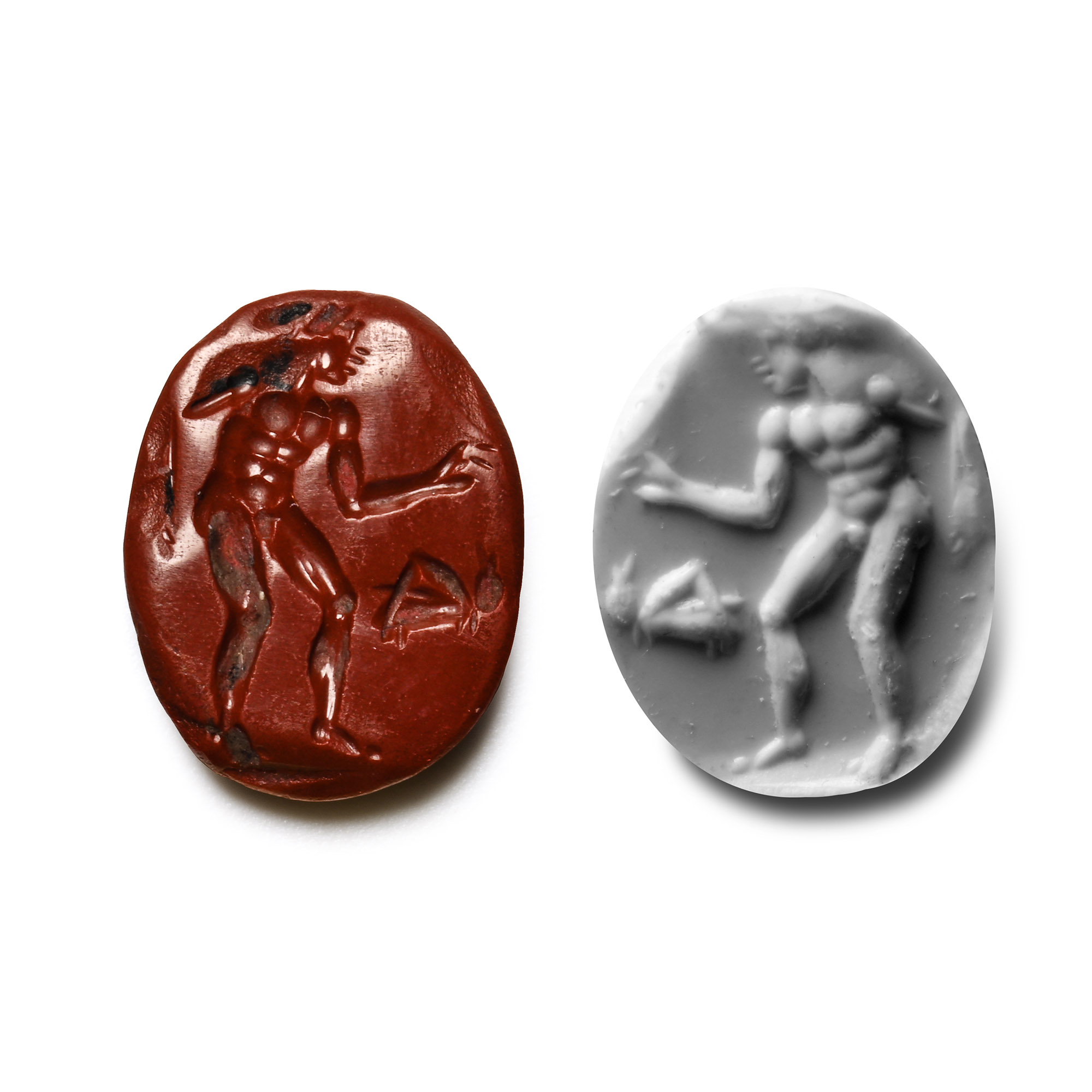
Roman Red Jasper Gemstone with Nude Wrestler
2ND-3RD CENTURY A.D.
1/2 in. (0.61 grams, 12.94 mm).
With intaglio nude male advancing; supplied with a museum-quality impression. [No Reserve]
ProvenanceFrom the private collection of a European gentleman (1942-2024), formed since the 1970s.
CONDITIONTimeLine Auctions follows a vetting process to ensure the authenticity and legality of all items, reinforcing our commitment to integrity and responsible trading. Each antiquity, antique, and coin lot undergoes thorough examination by a vetting committee of at least ten external specialists, professional trade association members, scientists, and archaeologists: Our Vetting Process
AUCTIONS:
TimeLine is a leading auction house specialising in antiquities, ancient art, collectables, natural history, coins, medals, and books. Our auctions offer museums, collectors, historians, and enthusiasts the opportunity to acquire unique and historically significant pieces.
-
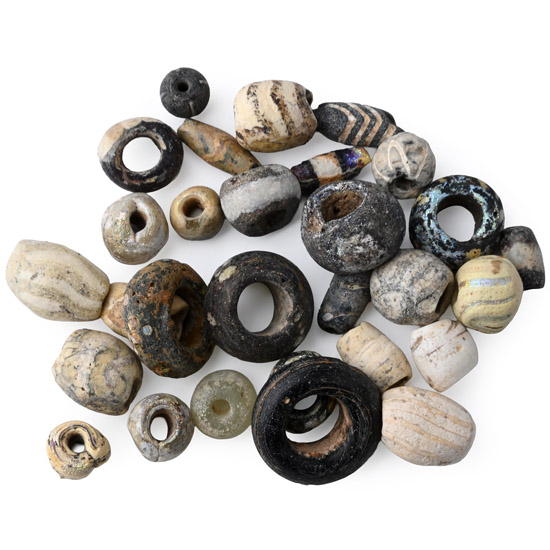
Roman Glass Bead Group
1st-4th century A.D.Sold for (Inc. bp): £59
Comprising oblate, annular, barrel-shaped and other beads. 10.83 grams total, 5.25-13.95 mm
From the private collection of a European gentleman (1942-2024), formed since the 1970s. -
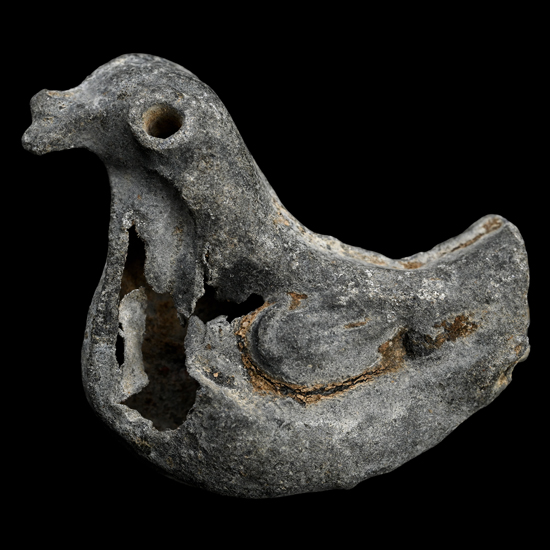
Roman Lead Child's Toy Bird
1st-4th century A.D.Sold for (Inc. bp): £104
A hollow-form figurine of a dove, with annular eyes, small wings and an open beak. 22 grams, 42.5 mm
From the private collection of a European gentleman (1942-2024), formed since the 1970s. -

Historic Spartan Basalt Cut and Polished Dark Green Porphyry Fragment Group
Sold for (Inc. bp): £585
Mined in Greece, four irregular fragments cut and polished on one side, probably recycled material mined in ancient Roman times. 2.1 kg total, 7 - 30.5 cm
Acquired on the UK art market since the 1990s. From the private collection of a Somerset gentleman.
Also known as Lapis Lacedaemonius and Porfido Verde Antico, a type of green porphyry quarried in Greece. Spartan basalt is a form of andesite or volcanic rock known today only from a single source in the village of Krokees on the Peloponnese in Greece. In addition, ancient sources mention a quarry of Lapis Lacedaemonius in Taygetus.
