
Loading, please wait...
LOT 0182
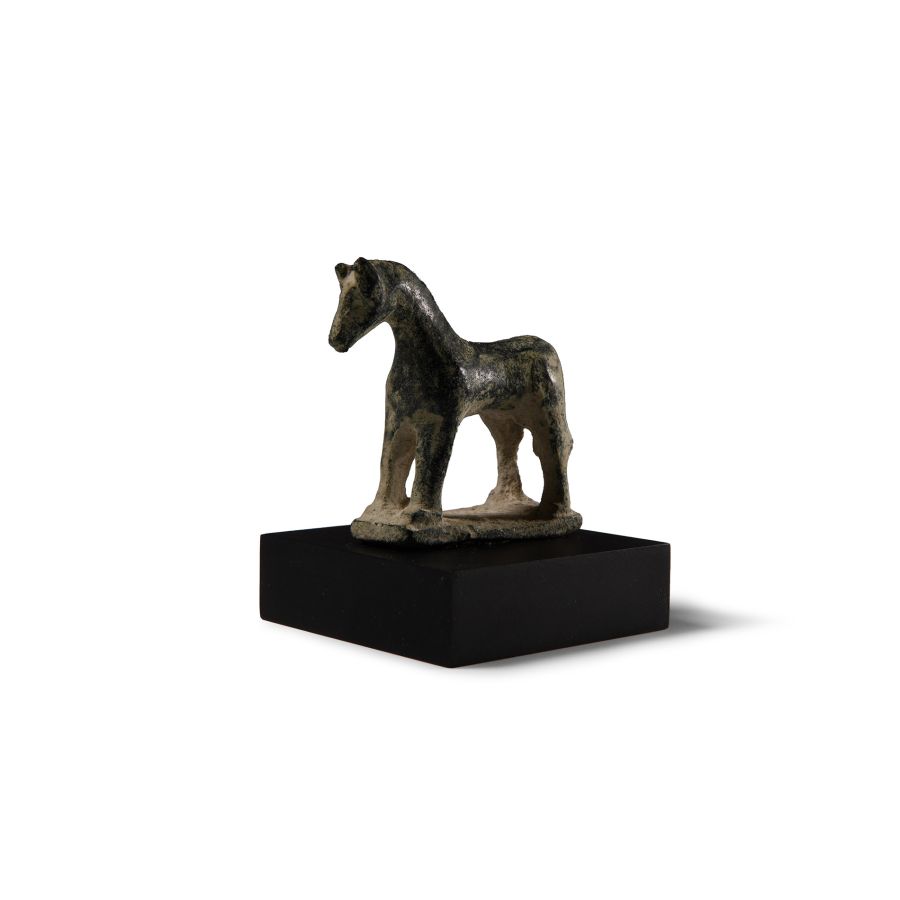
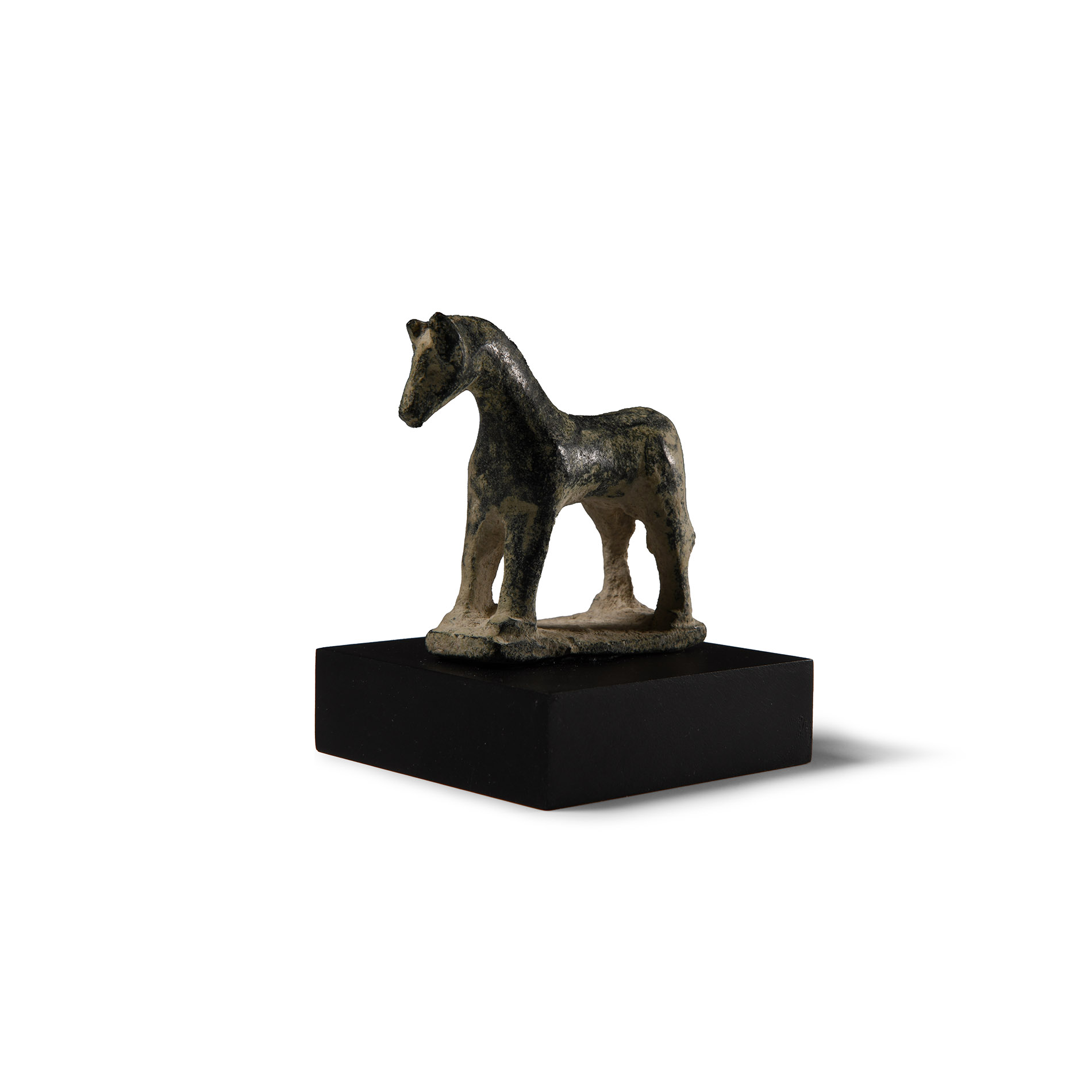
Roman Prize Winning Bronze Horse Statuette
2ND-3RD CENTURY A.D.
1 7/8 in. (80 grams, 47 mm high).
Modelled standing on a rectangular base, standing facing, tail hanging between legs, simple stylised facial detailing.
Provenance‘The Ancient Menagerie Collection’ formerly the property of a Cambridgeshire lady, collected since the 1990s and acquired from auctions and dealers throughout Europe and the USA, now ex London collection.
LiteratureCf. Christies, London, A Peaceable Kingdom: The Leo Mildenberg Collection of Ancient Animals, 26th-27th October, 2004, lot 247, for a horse of comparable style.
CONDITIONTimeLine Auctions follows a vetting process to ensure the authenticity and legality of all items, reinforcing our commitment to integrity and responsible trading. Each antiquity, antique, and coin lot undergoes thorough examination by a vetting committee of at least ten external specialists, professional trade association members, scientists, and archaeologists: Our Vetting Process
AUCTIONS:
TimeLine is a leading auction house specialising in antiquities, ancient art, collectables, natural history, coins, medals, and books. Our auctions offer museums, collectors, historians, and enthusiasts the opportunity to acquire unique and historically significant pieces.
LOT 0182
Roman Prize Winning Bronze Horse Statuette
Estimate £700 - 900€810 - 1,040 (for guidance only)$950 - 1,220 (for guidance only)
-
Roman Carnelian Gemstone with Horse and Cavalry Man
3rd-2nd century B.C.Estimate: £600 - 800 (+bp*)
Opening Bid: £333
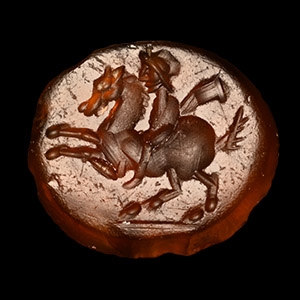
The rounded intaglio with a horseman, helmetted or wearing a causia, with flying cloak, riding towards left. 0.27 grams, 9 mm
Acquired in the late 1980s-early 1990s. Important North West London collection.
The cap (kausia) was typical of Hellenistic military dress and had been worn by cavalrymen since Alexander’s campaigns of the 4th century BC. The gemstone could represent an Italic cavalrymen, a socius (ally) of the Roman army. Another possibility is that the gemstone follows Etruscan influence, like the example in the British Museum, accession no. 1872,0604.156. The kausia cap had also its metallic counterpart, worn by the Tarentine cavalrymen of the Hellenistic period. -
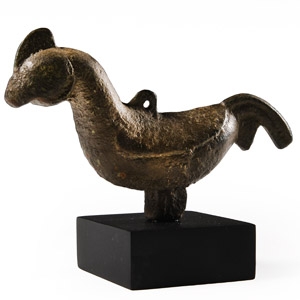
Roman Bronze Cockerel Tintinnabulum Pendant
1st-4th century A.D.Estimate: £200 - 300 (+bp*)
Opening Bid: £111
Modelled with stylised detailing formed in the round with suspension loop for attachment to a tintinnabulum. 114 grams, 83 mm
‘The Ancient Menagerie Collection’ formerly the property of a Cambridgeshire lady, collected since the 1990s and acquired from auctions and dealers throughout Europe and the USA, now ex London collection. -
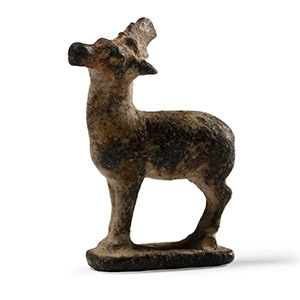
Roman Bronze Standing Deer Statuette
1st-4th century A.D.Sold for (Inc. bp): £85
Modelled in the round with naturalistic detailing, held held straight, standing on a rectangular base. 10.1 grams, 27 mm high
‘The Ancient Menagerie Collection’ formerly the property of a Cambridgeshire lady, collected since the 1990s and acquired from auctions and dealers throughout Europe and the USA, now ex London collection.
