
Loading, please wait...
LOT 0653
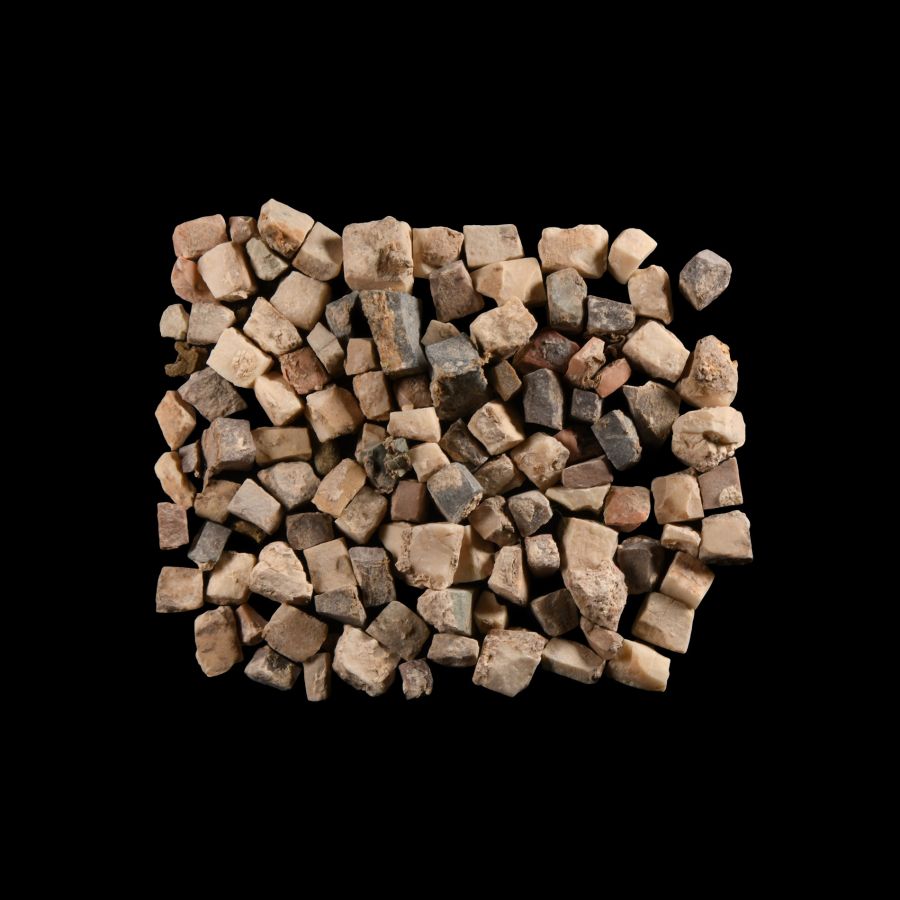
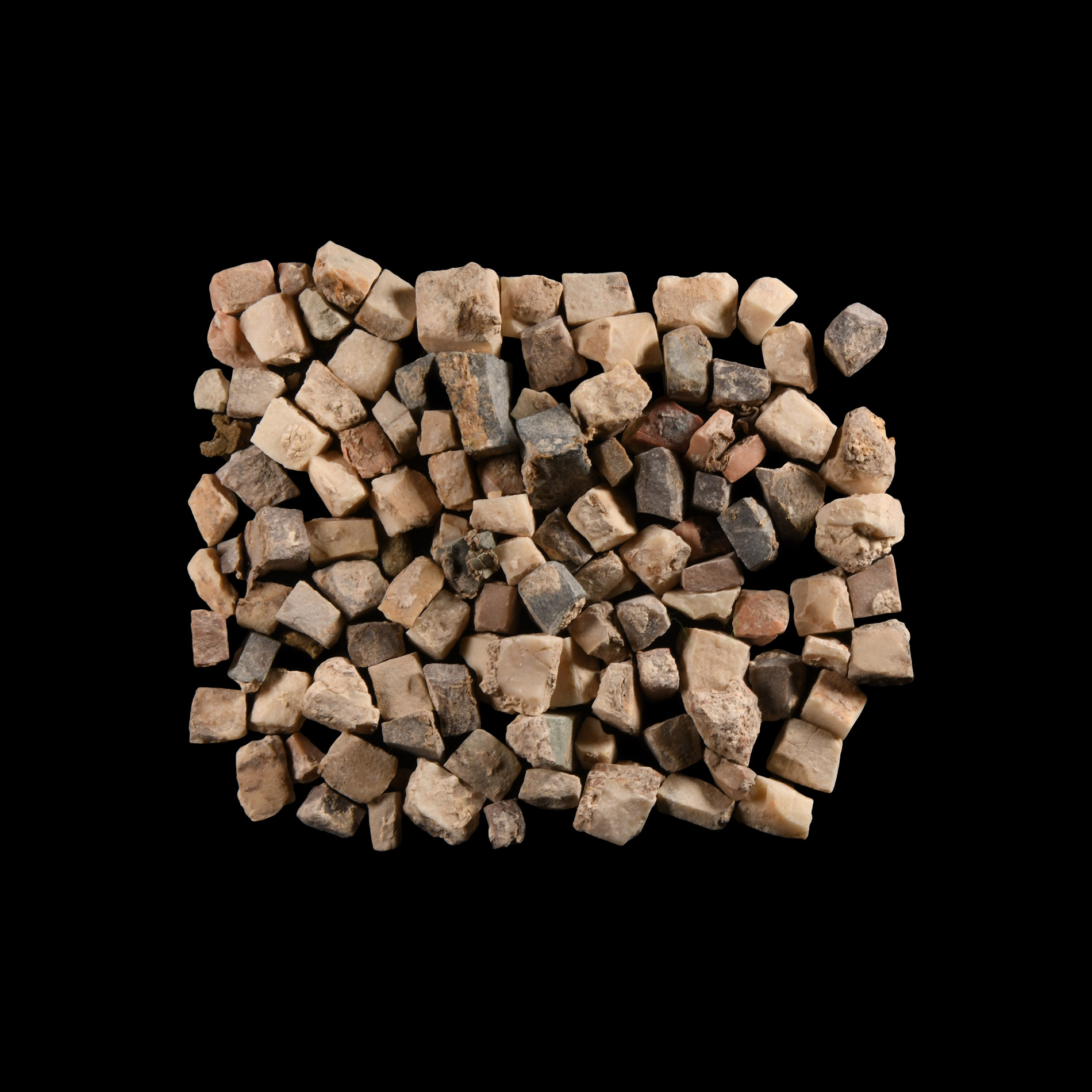
Roman Polychrome Tesserae Group
1ST-4TH CENTURY A.D.
1/8 - 1/2 in. (70 grams total, 5-14 mm).
A mixed group of over 100 single stone tesserae of various colours and sizes. [105, No Reserve]
ProvenanceAcquired 1980-2015.
Ex Abelita family collection.
TimeLine Auctions follows a vetting process to ensure the authenticity and legality of all items, reinforcing our commitment to integrity and responsible trading. Each antiquity, antique, and coin lot undergoes thorough examination by a vetting committee of at least ten external specialists, professional trade association members, scientists, and archaeologists: Our Vetting Process
AUCTIONS:
TimeLine is a leading auction house specialising in antiquities, ancient art, collectables, natural history, coins, medals, and books. Our auctions offer museums, collectors, historians, and enthusiasts the opportunity to acquire unique and historically significant pieces.
-
.jpg)
Roman Schist Dolphin
1st-2nd century A.D.Sold for (Inc. bp): £130
A carved schist dolphin figure with stylised detailing to the fins and face; mounted on a custom-made display stand. 30 grams total, 59 mm long (58 mm high including stand)
Fine condition.
Acquired 1970s-1996. Property of a North American collector. London collection, 2016.
The dolphin was among the animals sacred to Aphrodite, but in Graeco-Roman mythology it was also considered to be the animal accompanying the souls of the dead into the afterlife. -
.jpg)
Roman Style Silver Ring with Cupid Riding a Dolphin Gemstone
20th century A.D. or earlierEstimate: £300 - 400 (+bp*)
Opening Bid: £150
A silver finger ring with inset onyx gemstone, intaglio of a boy riding on the back of a dolphin and wielding a whip. 9.29 grams, 27.65 mm overall, 20.67 mm internal diameter (approximate size British O, USA 7, Europe 14.98, Japan 14)
English private collection. -
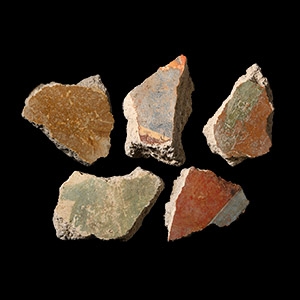
Roman Fresco Painted Wall Plaster Collection
1st century A.D.Sold for (Inc. bp): £104
A mixed group of coarse white wall plaster fragments from a fresco, with painted designs in white, ochre, claret, crimson and blue. 600 grams total, 73-89 mm
Fair condition.
Acquired in the 19th century. Jeger collection, Switzerland. Property of an English gentleman.
