
Loading, please wait...
_900x900.jpg "Roman Peridot Gemstone with Venus")
_200x200.jpg "Roman Peridot Gemstone with Venus")
.jpg "Roman Peridot Gemstone with Venus")
LOT 0010
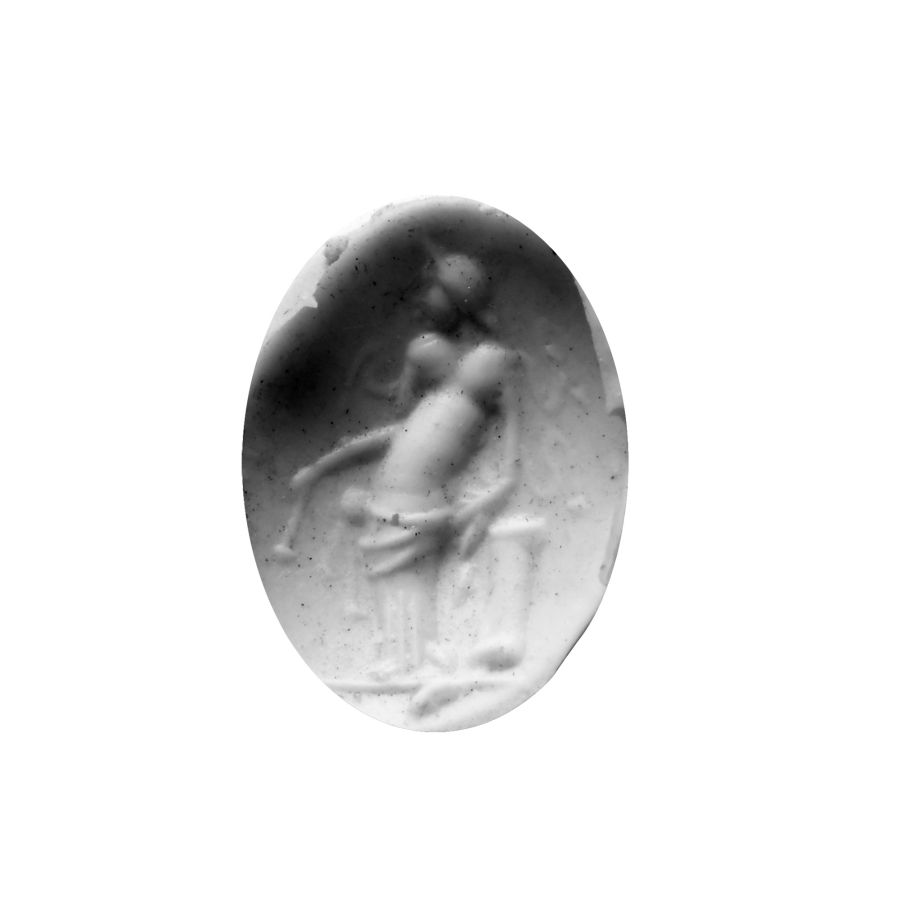
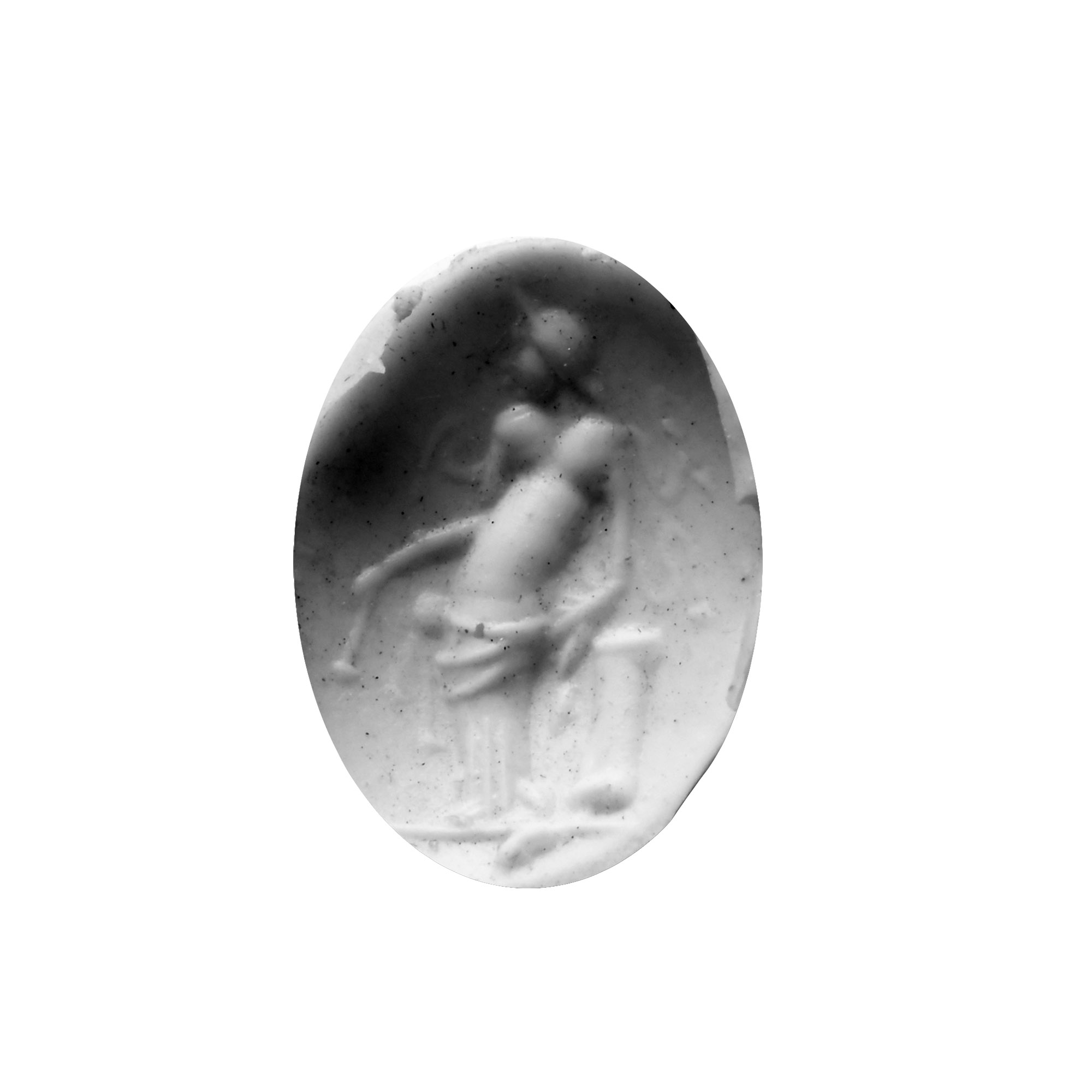
Roman Peridot Gemstone with Venus
2ND-3RD CENTURY A.D.
3/8 in. (0.58 grams, 11.71 mm).
With intaglio Venus standing with palla draped around her hips, beside an altar; supplied with a museum-quality impression. [No Reserve]
ProvenanceFrom the private collection of a European gentleman (1942-2024), formed since the 1970s.
CONDITIONTimeLine Auctions follows a vetting process to ensure the authenticity and legality of all items, reinforcing our commitment to integrity and responsible trading. Each antiquity, antique, and coin lot undergoes thorough examination by a vetting committee of at least ten external specialists, professional trade association members, scientists, and archaeologists: Our Vetting Process
AUCTIONS:
TimeLine is a leading auction house specialising in antiquities, ancient art, collectables, natural history, coins, medals, and books. Our auctions offer museums, collectors, historians, and enthusiasts the opportunity to acquire unique and historically significant pieces.
-
.jpg)
Roman Enamelled Bronze Plate Brooch
Circa 2nd century A.D.Sold for (Inc. bp): £312
Comprising a central enamelled disc with triangular lateral spurs forming a scaphoid plate, eight discoid cells to the rim, central knop; pin-lugs, pin and catch to the reverse; the enamel restored. 9.15 grams, 44 mm
Ex German art market, 2000s. Acquired from an EU collector living in London. From the collection of a Surrey, UK, gentleman. -
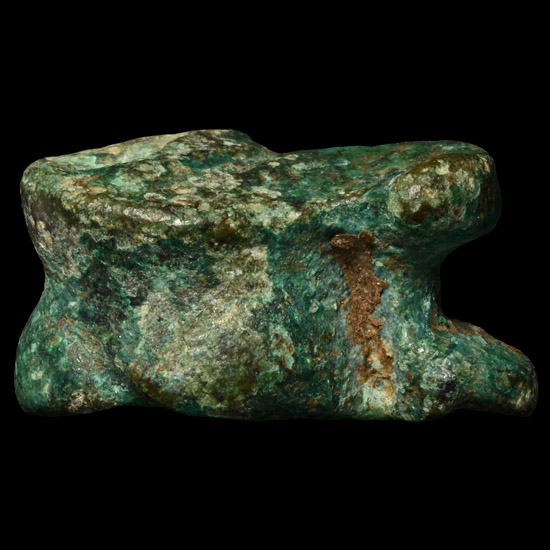
Roman Astragalus Bronze Knuckle Bones Gaming or Oracle Piece
Circa 1st-2nd century A.D.Sold for (Inc. bp): £33
Model of a bovine astragalus with lead infill. 11 grams, 21.2 mm
From the Colin Narbeth collection, 1990s. -
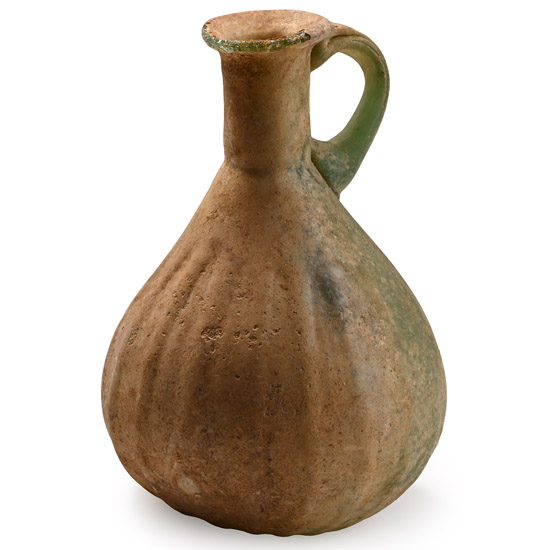
Eastern Roman or Parthian Green Glass Sprinkler Pitcher
1st-3rd century A.D.Estimate: £150 - 200 (+bp*)
Opening Bid: £70
A single-handled mould-blown pitcher, doubling as a sprinkler flask, the inner diaphragm at the junction of the neck and body with a small piercing to restrict the flow of liquid from the vessel; twenty individual ribs which radiate upwards from the pontil mark on the base towards the neck; flared and rolled rim, handle applied separately at the end of the process, formed from folded glass creating a scrollwork effect; one face of the pitcher shows the original rich green glass colour, while the other side has an area of milky oxidation. 191 grams, 13.5 cm
Originally in an old English collection. Ex property of a Florida, USA, gentleman.
Scholars sometimes call this rare type a 'squash glass', the reason for which is apparent when viewing the piece from beneath. The body of these vessels was produced by means of optical blowing, resulting in internal vertical ribs evenly distributed along the vessel wall.
