
Loading, please wait...
LOT 0151
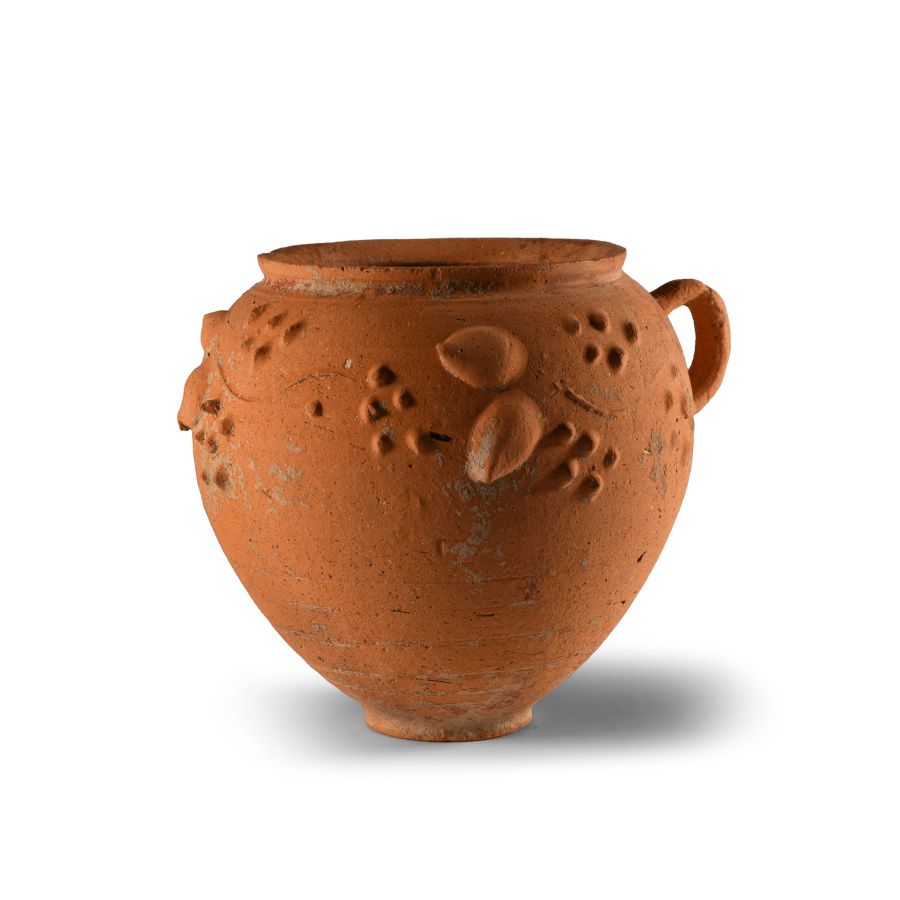
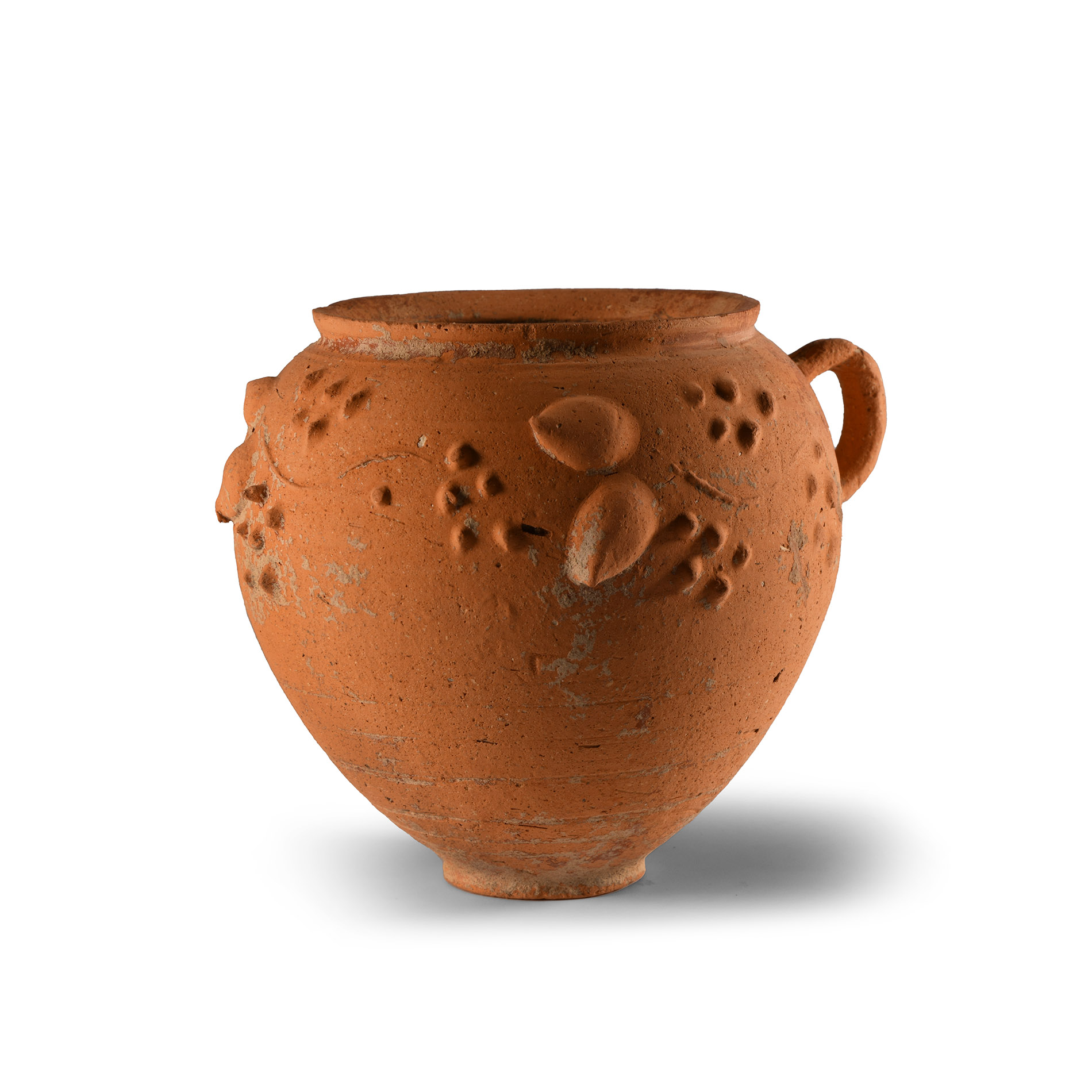
Roman Pale Red Barbotine Cup
CIRCA 1ST CENTURY B.C.
4 1/2 in. (211 grams, 11.5 cm wide).
With horizontal banding to the lower body, high-relief moulded vine and grape decoration to the shoulder, loop handle and raised rim; rare.
ProvenanceAcquired 1980-2015.
Ex Abelita family collection.
Cf. similar in the collection of the Metropolitan Museum of Art, New York, under accession number: 74.51.373.
CONDITIONTimeLine Auctions follows a vetting process to ensure the authenticity and legality of all items, reinforcing our commitment to integrity and responsible trading. Each antiquity, antique, and coin lot undergoes thorough examination by a vetting committee of at least ten external specialists, professional trade association members, scientists, and archaeologists: Our Vetting Process
AUCTIONS:
TimeLine is a leading auction house specialising in antiquities, ancient art, collectables, natural history, coins, medals, and books. Our auctions offer museums, collectors, historians, and enthusiasts the opportunity to acquire unique and historically significant pieces.
LOT 0151
Roman Pale Red Barbotine Cup
Estimate £1,000 - 1,400€1,160 - 1,620 (for guidance only)$1,350 - 1,890 (for guidance only)
-
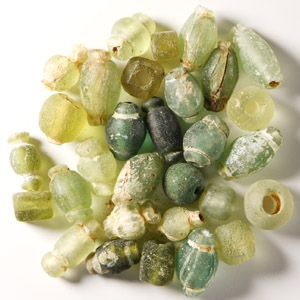
Roman Green Glass Bead Collection
Late 1st millennium B.C. and laterSold for (Inc. bp): £169
Comprising thirty lampworked green glass rounded and collared beads. 94 grams total, 11-23 mm
UK gallery, early 2000s. -
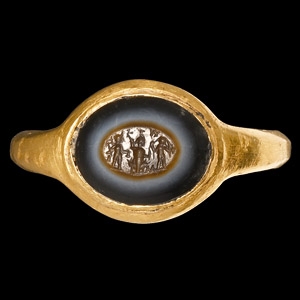
Roman Gold Ring with Sardonyx Gemstone
Circa 2nd-3rd century A.D.Estimate: £3,500 - 4,500 (+bp*)
Opening Bid: £1,750
Facetted hoop and disc bezel with inset sardonyx depicting three facing goddesses holding attributes. 6.76 grams, 24.93 mm overall, 21.92 mm internal diameter (approximate size British R 1/2, USA 8 3/4, Europe 19.38, Japan 18)
From a collection of a London lady, acquired annually during 1990s-2000s. This lot has been checked against the Interpol Database of stolen works of art and is accompanied by search certificate no.11962-210875. -
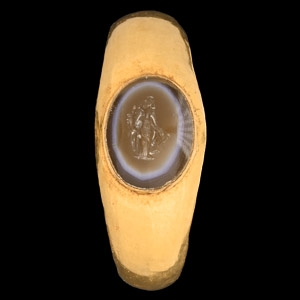
Roman Gold Ring with Fortuna Gemstone
1st-2nd century A.D.Estimate: £1,500 - 2,000 (‡+bp*)
Opening Bid: £750
Hollow-formed with inset banded agate cabochon, intaglio standing Fortuna. 2.22 grams, 21.90 mm overall, 15.21 mm internal diameter (approximate size British E 1/2, USA 2 1/2, Europe 3, Japan 3)
Acquired early 1990s. Ex private American collection; thence by descent. Private Swiss collection since 1998. This lot has been checked against the Interpol Database of stolen works of art and is accompanied by search certificate no.11619-199018.
