
Loading, please wait...
LOT 0688
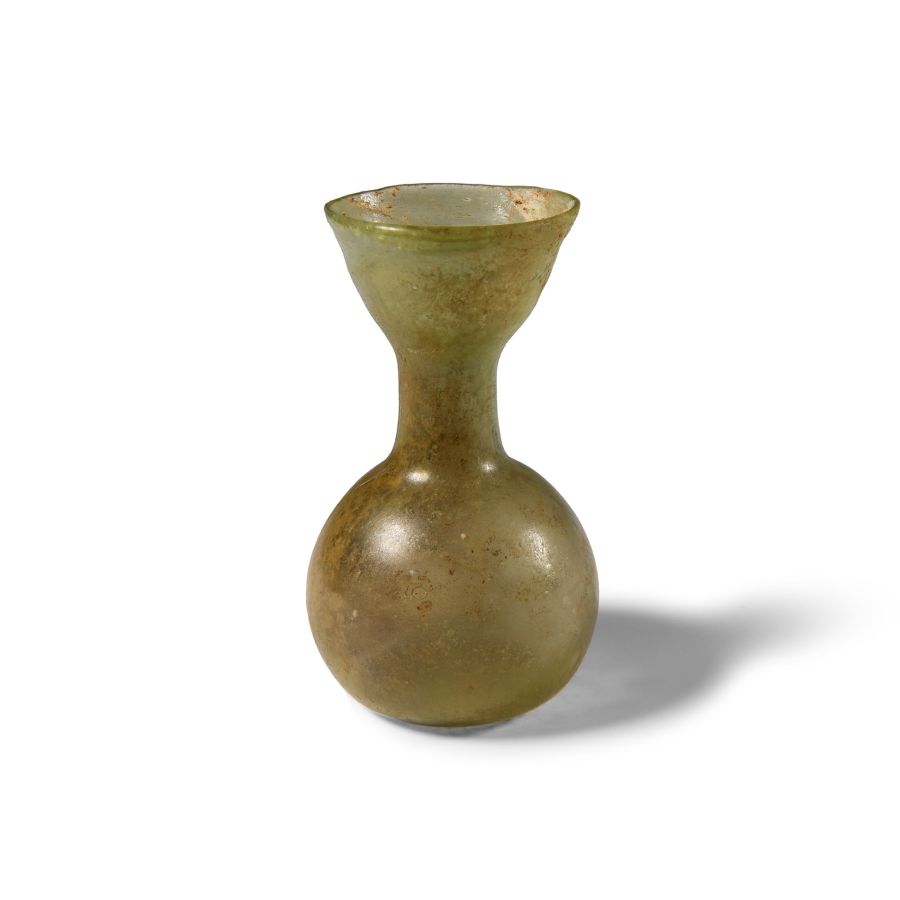
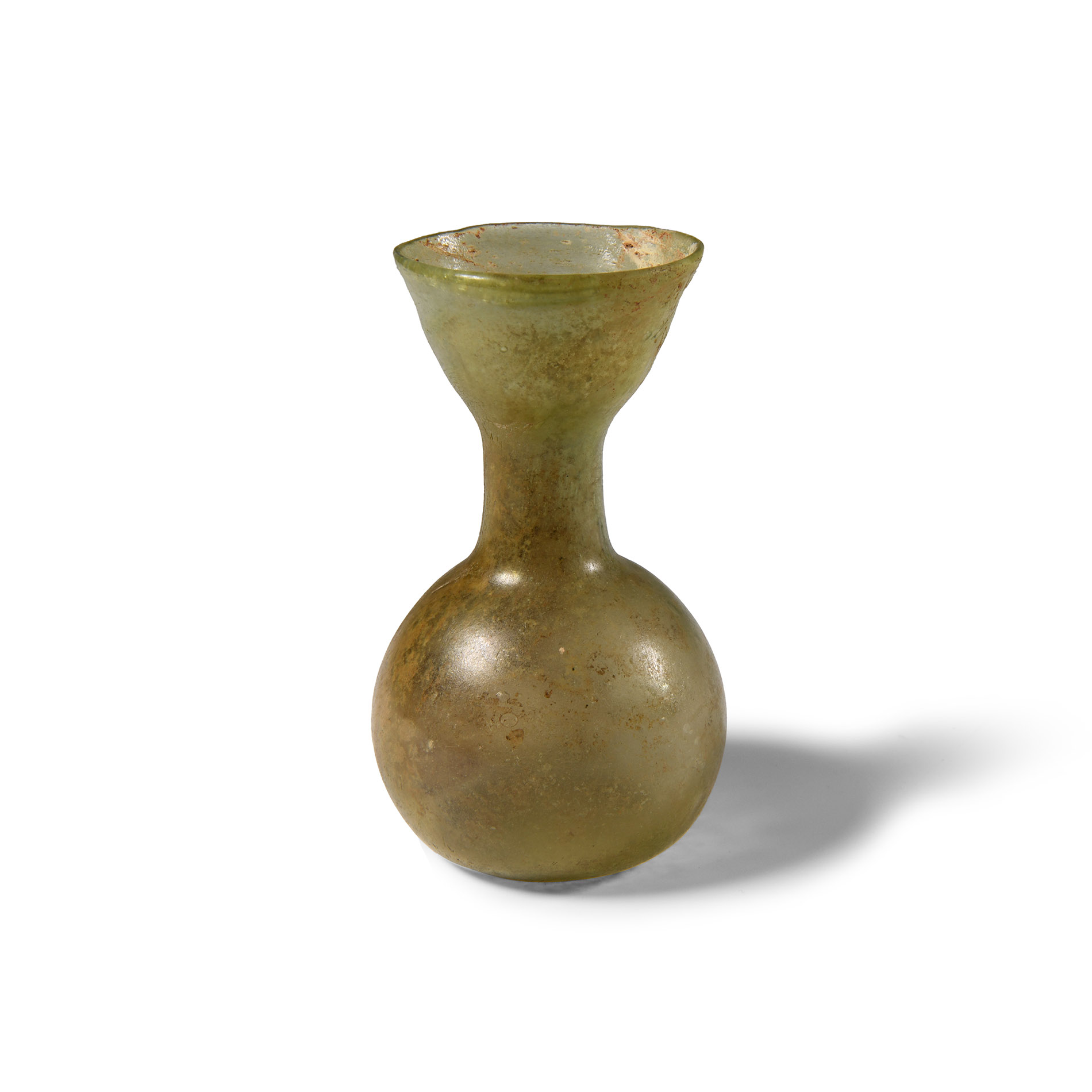
Roman Pale Green Glass Vessel
4TH-5TH CENTURY A.D.
3 3/8 in. (26.8 grams, 87 mm high).
In yellow-greenish translucent glass, globular body with flaring funnel neck, dimpled base.
ProvenanceAcquired 1980-2015.
Ex Abelita family collection.
Cf. Svobodová, H., ‘Byzantine, Sassanian and Islamic glass in the Collection of Classical Antiquities of the National Museum in Prague,’ in Studia Hercynia XVIII/1-2, Pragae, 2014, pp.58-64, pl.27,1, for identical type.
FootnotesThe type was popular in the late Roman period, especially in the east. Its characteristic trait is an oval body, convex base and a neck with
a funnel-like upper part.
TimeLine Auctions follows a vetting process to ensure the authenticity and legality of all items, reinforcing our commitment to integrity and responsible trading. Each antiquity, antique, and coin lot undergoes thorough examination by a vetting committee of at least ten external specialists, professional trade association members, scientists, and archaeologists: Our Vetting Process
AUCTIONS:
TimeLine is a leading auction house specialising in antiquities, ancient art, collectables, natural history, coins, medals, and books. Our auctions offer museums, collectors, historians, and enthusiasts the opportunity to acquire unique and historically significant pieces.
-
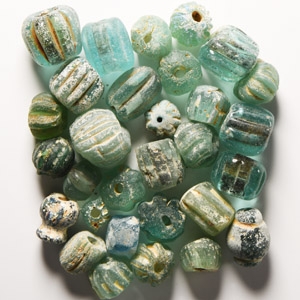
Roman Turquoise Blue Glass Melon and Other Bead Collection
1st-2nd century A.D.Sold for (Inc. bp): £208
Comprising mainly melon-shaped beads, one collared bead, including some Hebron glass. 101 grams total, 10-20 mm
UK gallery, early 2000s. -
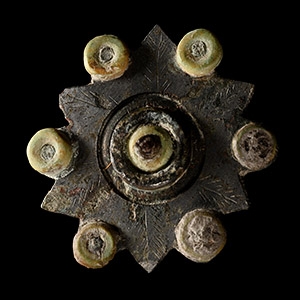
Roman Tinned Bronze Plate Brooch Complete with Coral Appliques
Circa 2nd century A.D.Estimate: £200 - 300 (+bp*)
Opening Bid: £100
Formed as six radiating triangles with incised leaf detailing, interstitial applied bone discs, central raised collar with bone disc insert; complete with pin and catchplate to verso. 9.1 grams, 40 mm
Acquired on the UK art market in the 1990s. Property of a Stowmarket, UK, gentleman. -
.jpg)
Roman Carnelian Victory Gemstone
Circa 1st century A.D.Sold for (Inc. bp): £624
With intaglio winged Victory advancing holding a wreath; supplied with a museum-quality impression. 1.26 grams, 16 mm
From the collection of a Swiss gentleman formed in Europe from 1970-1980s; thence by descent from the family in London.
