
Loading, please wait...
LOT 0791
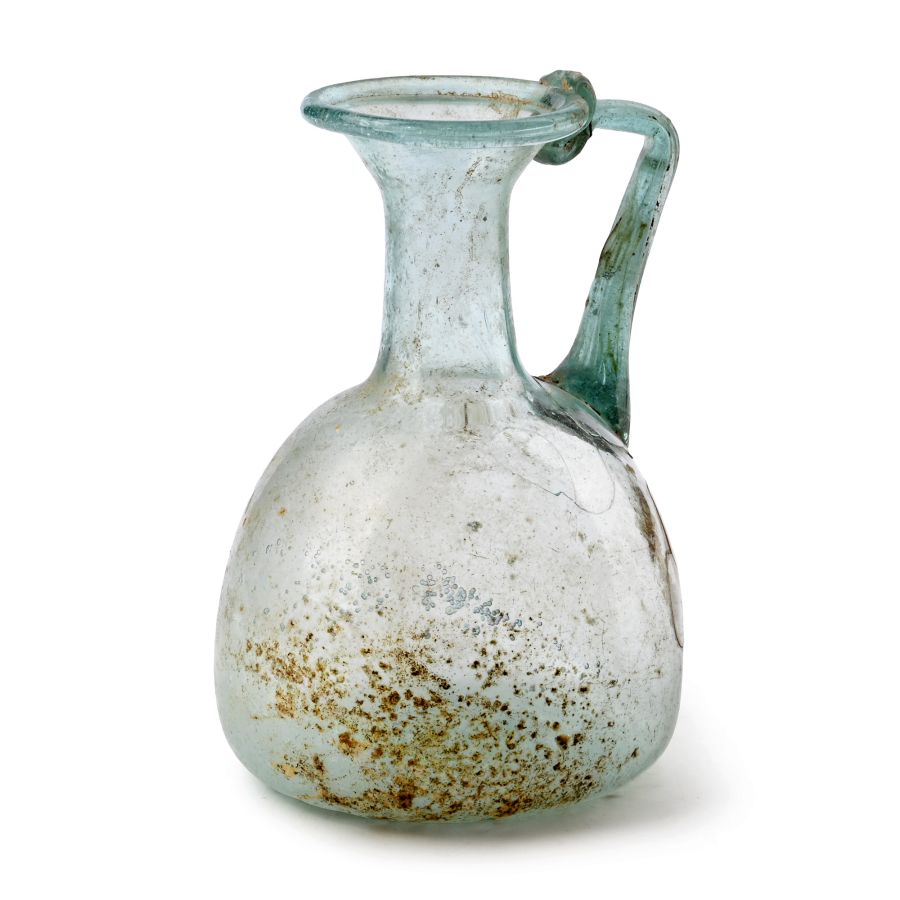
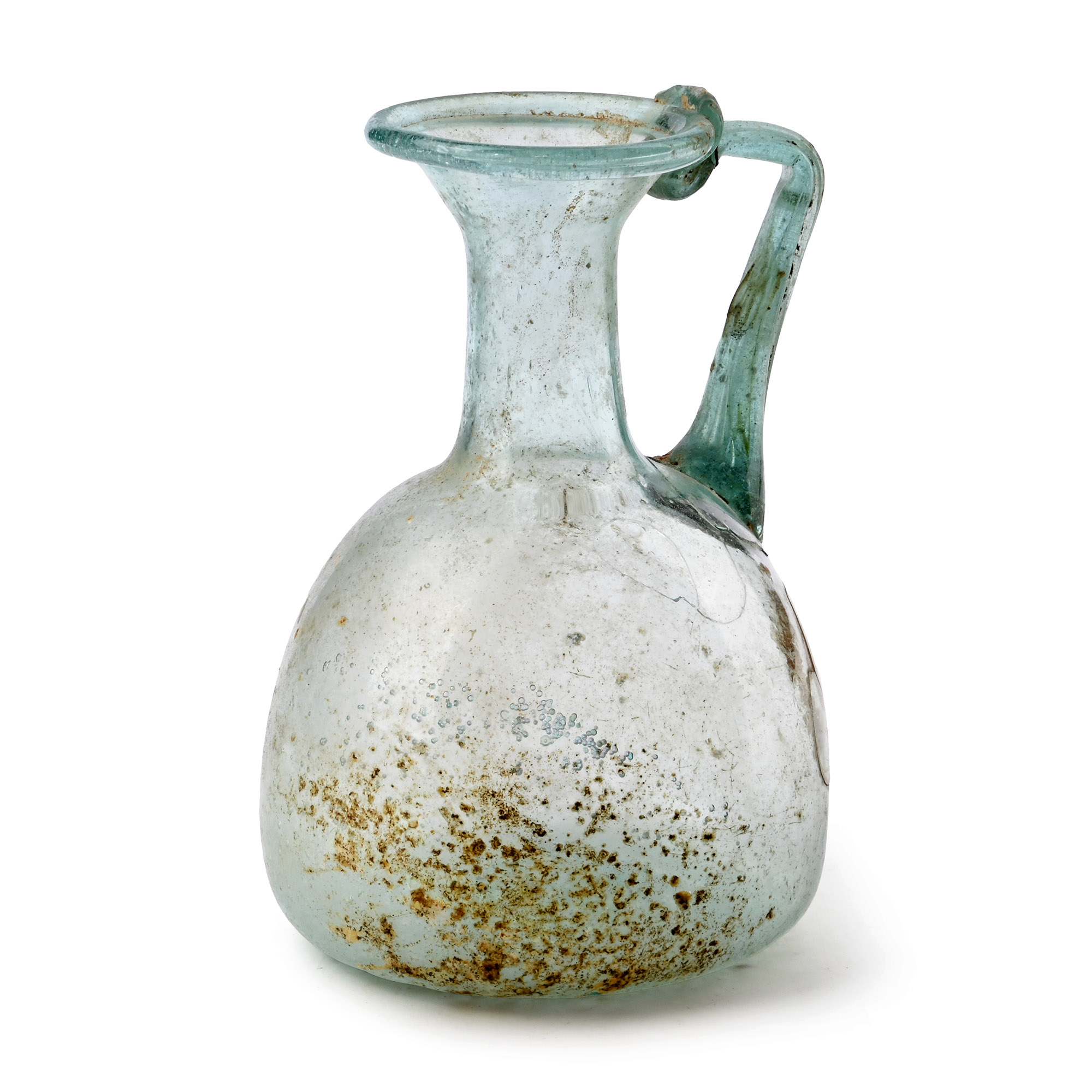
Roman Pale Green Glass Juglet
CIRCA 4TH CENTURY A.D.
3 3/4 in. (43.2 grams, 94 mm).
Bulbous body with dimple base, trumpet-shaped neck with rolled rim and a strap handle to the rear. [No Reserve]
ProvenanceFrom the collection of a late Norfolk, UK gentleman's collection, formed from the late 1960s-1970s.
LiteratureCf. Fleming, S.J., 'Late Roman Glass at the University of Pennsylvania Museum: A Photo Essay' in Expedition Volume 39, no.2 (1997), pp.25-41, fig.10B, for the type of juglet.
CONDITIONTimeLine Auctions follows a vetting process to ensure the authenticity and legality of all items, reinforcing our commitment to integrity and responsible trading. Each antiquity, antique, and coin lot undergoes thorough examination by a vetting committee of at least ten external specialists, professional trade association members, scientists, and archaeologists: Our Vetting Process
AUCTIONS:
TimeLine is a leading auction house specialising in antiquities, ancient art, collectables, natural history, coins, medals, and books. Our auctions offer museums, collectors, historians, and enthusiasts the opportunity to acquire unique and historically significant pieces.
-
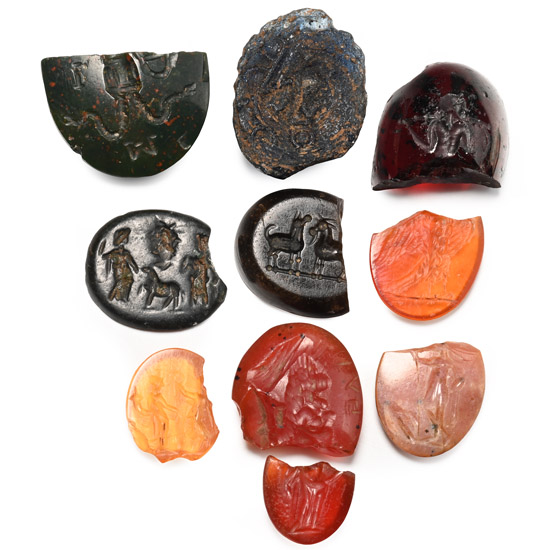
Roman Gemstone Group
2nd-3rd century A.D.Sold for (Inc. bp): £286
Including a warrior with a spear over his shoulder, a profile bust of Silenus with a partial Greek legend, Isis-Minerva with a cornucopia and supplicant, and other types; each supplied with a museum-quality impression. 14.59 grams total, 9-20 mm
From the private collection of a European gentleman (1942-2024), formed since the 1970s. -
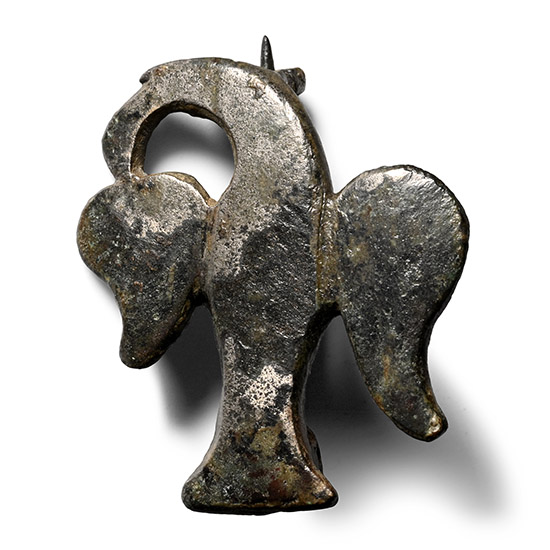
Roman Bronze Eagle Plate Brooch
2nd-3rd century A.D.Sold for (Inc. bp): £85
Formed as an eagle with its head turned to the side, spread wings and tail, pin and catchplate on the reverse. 8.43 grams, 32 mm
Ex German art market, 2000s. Acquired from an EU collector living in London. From the collection of a Surrey, UK, gentleman. -
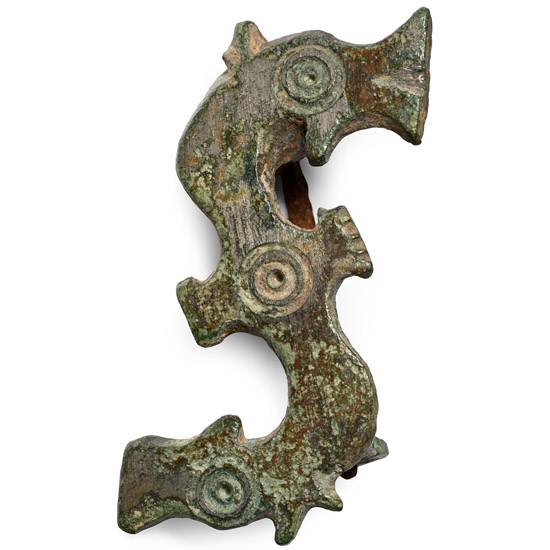
Roman Tinned Bronze S-Shaped Horse Head Brooch
Circa 3rd-4th century A.D.Sold for (Inc. bp): £117
Plate brooch formed as two stylised horse heads with ring-and-dot detailing, pin and catch on the reverse. 7.23 grams, 36 mm
Ex German art market, 2000s. Acquired from an EU collector living in London. From the collection of a Surrey, UK, gentleman.
