
Loading, please wait...
LOT 0858
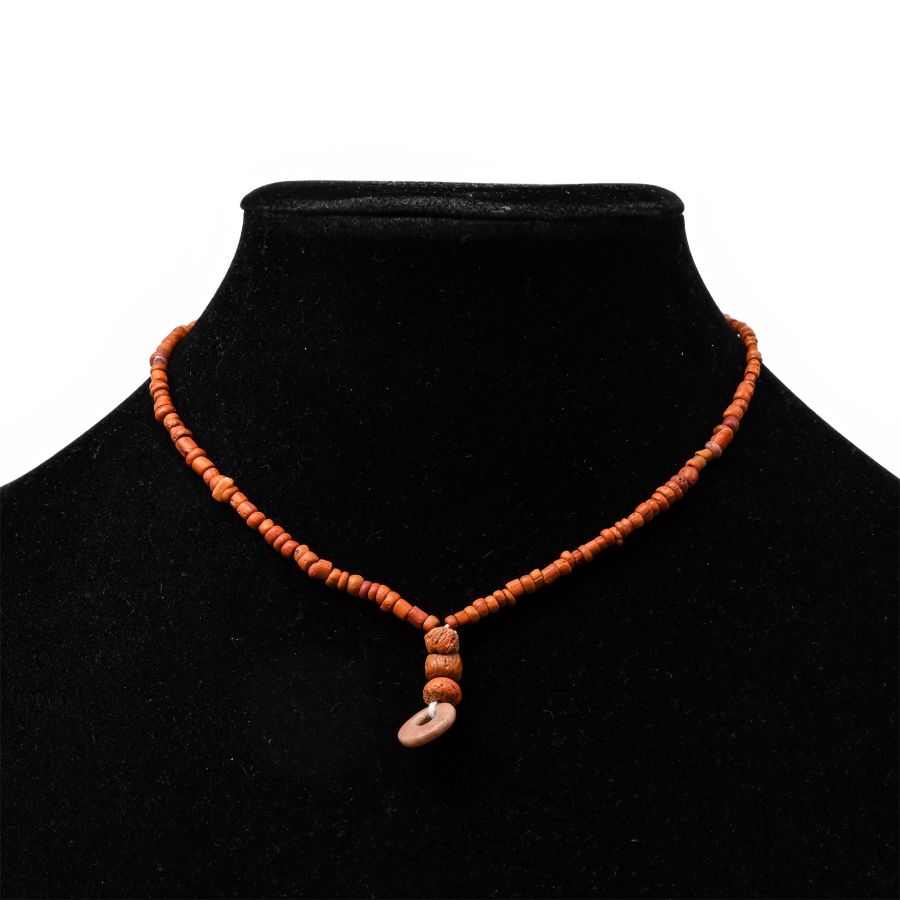
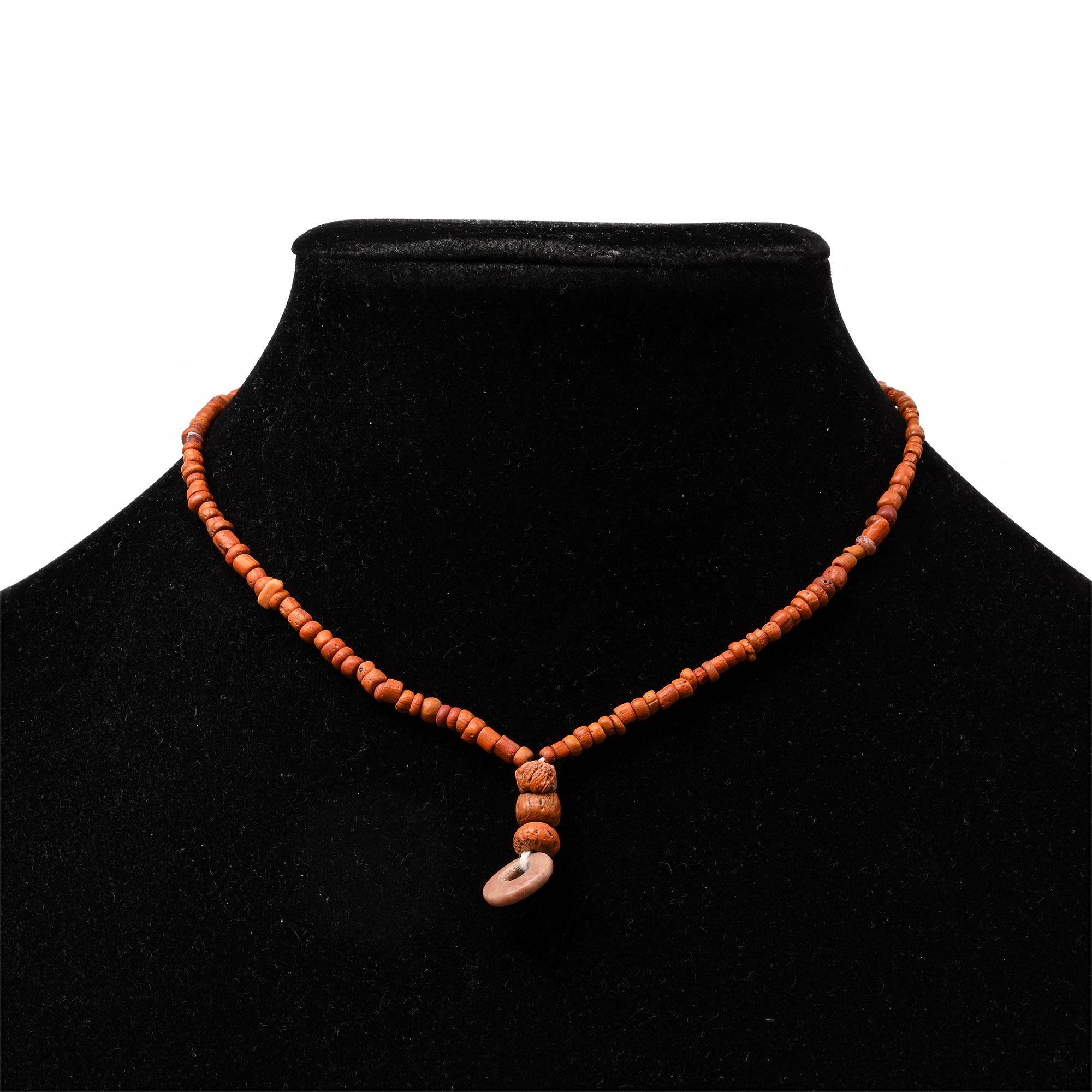
Roman Orange Glass Bead Necklace String
1ST-4TH CENTURY A.D. AND LATER
13 3/8 in. (7.51 grams, 34 cm).
Composed mainly of oblate and annular beads with larger beads as a central feature, restrung. [No Reserve]
ProvenanceEx London, UK, collection, 1990s.
CONDITIONTimeLine Auctions follows a vetting process to ensure the authenticity and legality of all items, reinforcing our commitment to integrity and responsible trading. Each antiquity, antique, and coin lot undergoes thorough examination by a vetting committee of at least ten external specialists, professional trade association members, scientists, and archaeologists: Our Vetting Process
AUCTIONS:
TimeLine is a leading auction house specialising in antiquities, ancient art, collectables, natural history, coins, medals, and books. Our auctions offer museums, collectors, historians, and enthusiasts the opportunity to acquire unique and historically significant pieces.
-
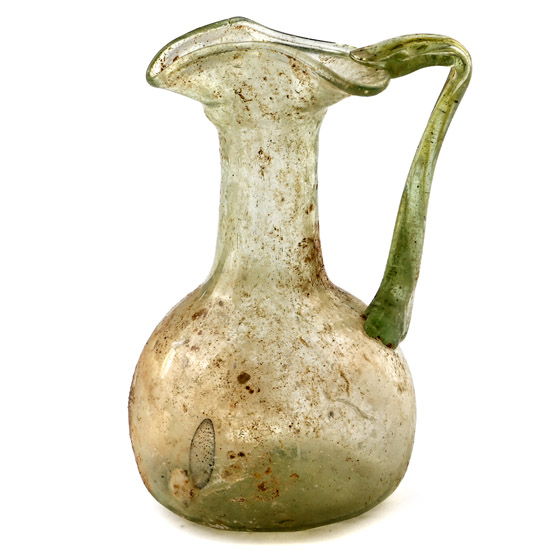
Roman Glass Trefoil-Mouthed Juglet
2nd-3rd century A.D.Estimate: £300 - 400 (+bp*)
Opening Bid: £150
With bulbous body and pontil base, slender neck, rolled rim pinched to a trefoil; applied handle to the rear. 30 grams, 84 mm
From a specialist collection of glass, acquired from dealerships during the 1990s. -
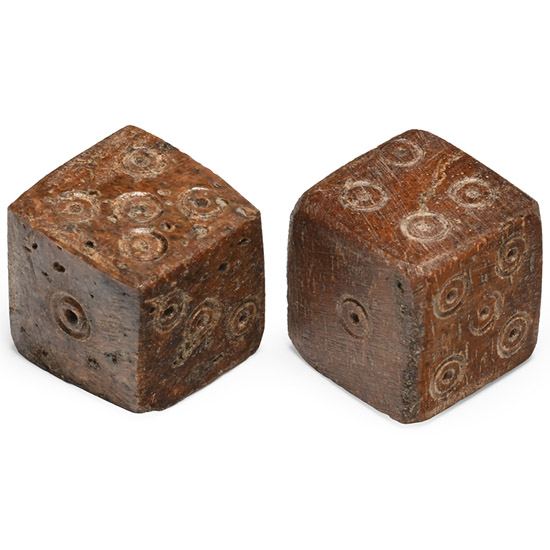
Large Roman Gaming Dice Pair
1st-2nd century A.D.Sold for (Inc. bp): £338
Each cuboid with ring-and-dot markings disposed 1:6, 2:5, 3:4. 5.12 grams total, 11 mm each
Ex Essex gentleman's collection, 2000s. -
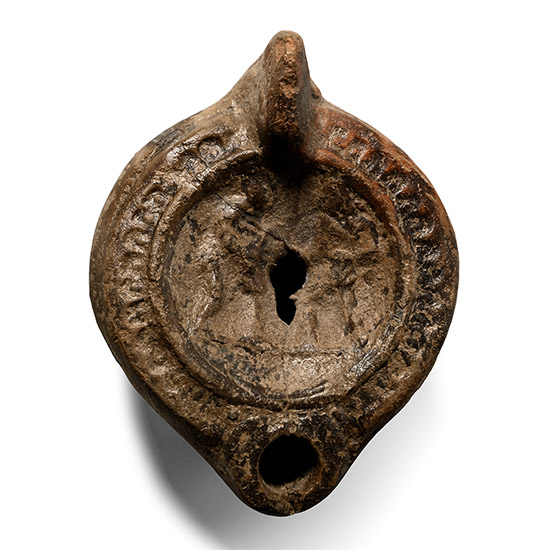
Roman Terracotta Oil Lamp with Gladiators
2nd century A.D.Sold for (Inc. bp): £156
Rounded body with a low discus showing two gladiators in close combat, flat shoulder with ovolo motifs, handle at the rear; repaired. 50 grams, 80 mm
Ex German art market, 2000s. Acquired from an EU collector living in London. From the collection of a Surrey, UK, gentleman.
