
Loading, please wait...
LOT 0773
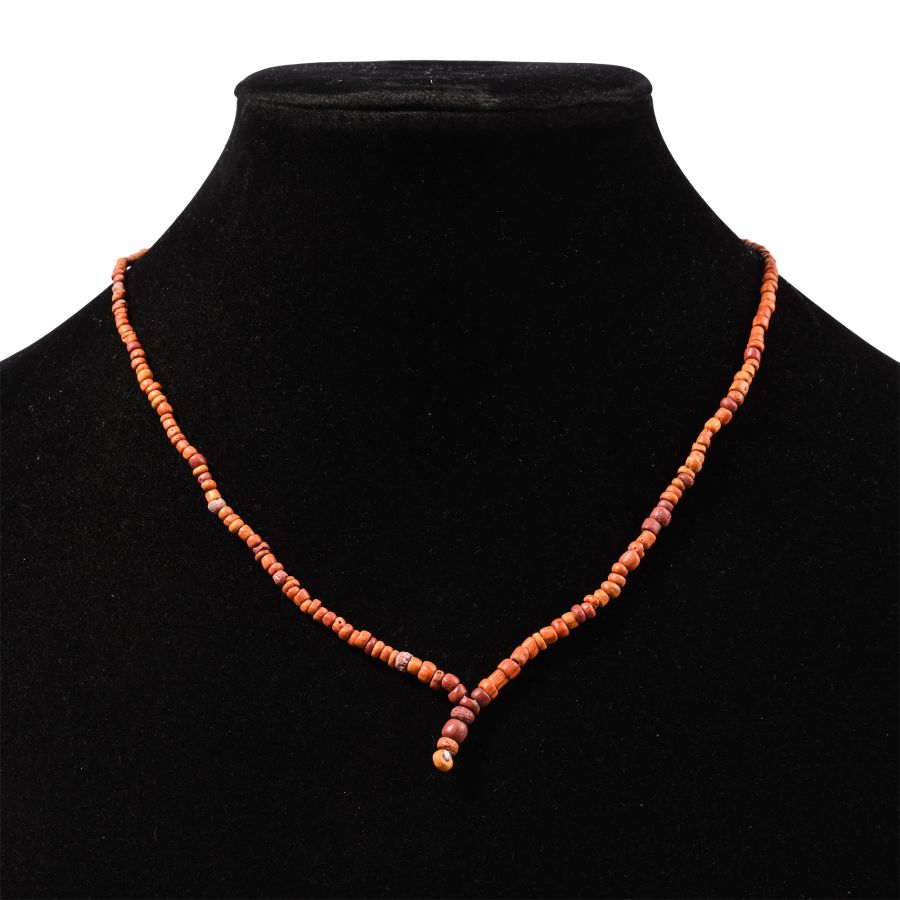
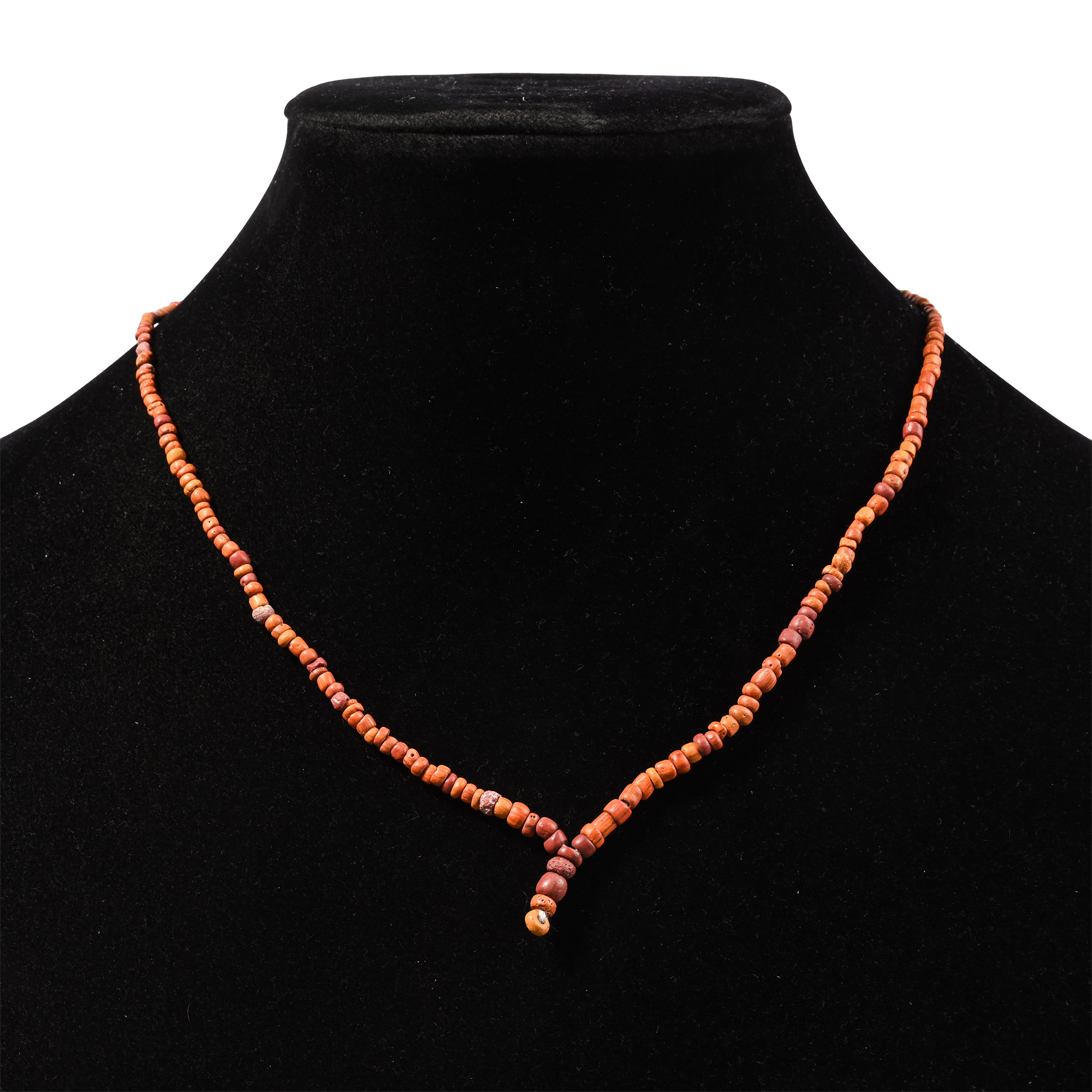
Roman Orange Glass and Other Bead Necklace String
1ST-4TH CENTURY A.D. AND LATER
15 5/8 in. (6.7 grams, 39.7 cm).
Composed of oblate and annular beads, restrung. [No Reserve]
ProvenanceEx Ancient Art Shop, Windsor, UK, 1990s.
Ex private West County, UK, collection.
TimeLine Auctions follows a vetting process to ensure the authenticity and legality of all items, reinforcing our commitment to integrity and responsible trading. Each antiquity, antique, and coin lot undergoes thorough examination by a vetting committee of at least ten external specialists, professional trade association members, scientists, and archaeologists: Our Vetting Process
AUCTIONS:
TimeLine is a leading auction house specialising in antiquities, ancient art, collectables, natural history, coins, medals, and books. Our auctions offer museums, collectors, historians, and enthusiasts the opportunity to acquire unique and historically significant pieces.
-
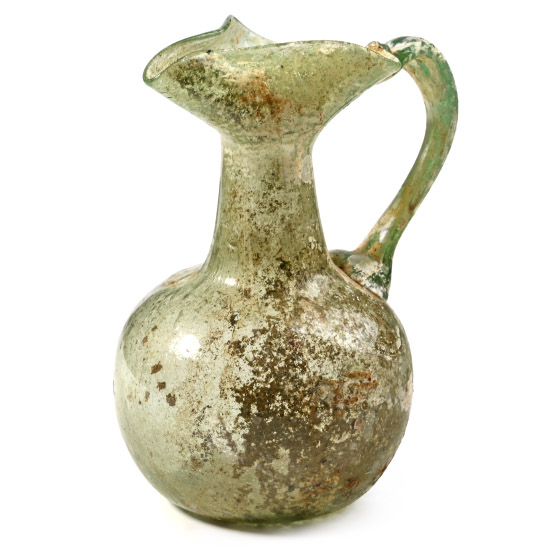
Roman Iridescent Green Glass Oinochoe
3rd-4th century A.D.Sold for (Inc. bp): £598
Bulbous body with a dimple base, tubular neck with a trefoil mouth and a strap handle to the rear. 66 grams, 11.6 cm
Acquired in the 1990s from London dealerships and auction houses. From the Lonson collection. -
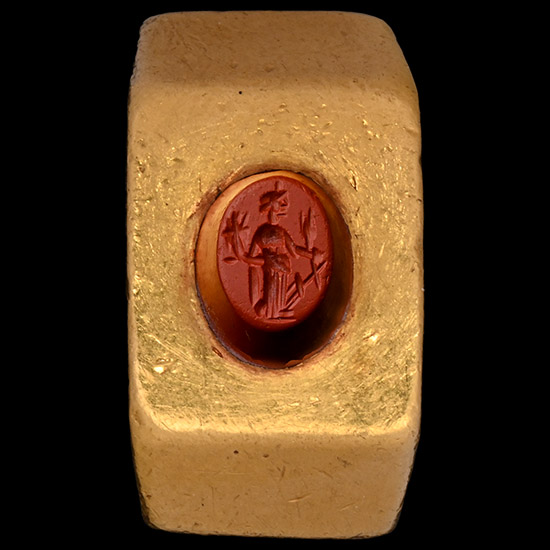
Roman Gold Ring with Jasper Gemstone of the Goddess Fortuna
2nd-3rd century A.D.Sold for (Inc. bp): £5,980
Comprising a heavy facetted hoop and a wide rectangular bezel set with a tall intaglio of goddess Fortuna or Concordia, standing and holding a cornucopia, and a rudder. 25.07 grams, 23.40 mm overall, 18.18 x 12.80 mm internal diameter (approximate size British H, USA 3 3/4, Europe 6.18, Japan 6)
Acquired on the European art market. This lot has been checked against the Interpol Database of stolen works of art and is accompanied by search certificate number no.13340-257983.
The ring belongs to type VI, Variant 1, of the Ruseva-Slokoska classification. These rings, typical of the 3rd century, were often decorated with the image of the Goddess Concordia. Sometimes they show an image of the clasped hands, or bear the inscription HOMONO (Latin), from the Greek omonoa (Concordia = Concord). -
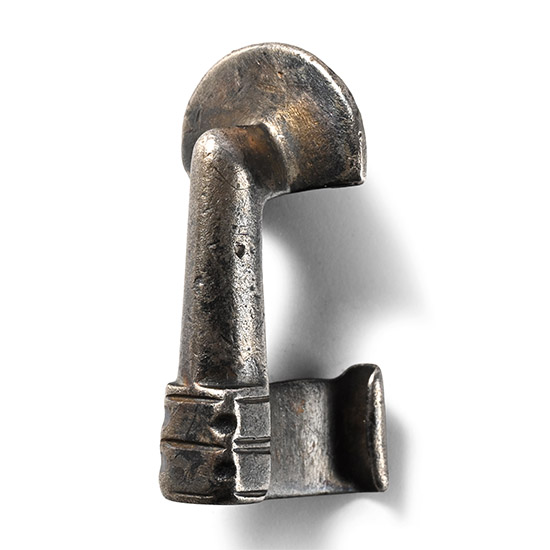
Roman Silver Knee Brooch
2nd-3rd century A.D.Sold for (Inc. bp): £53
With transverse bar, D-shaped headplate, D-section body, sleeve finial, extended catch and hinge to the reverse. 6.67 grams, 26 mm
From a continental European collection. From a UK collection formed in the 1980s. Property of an Essex, UK, gentleman.
