
Loading, please wait...


LOT 0762
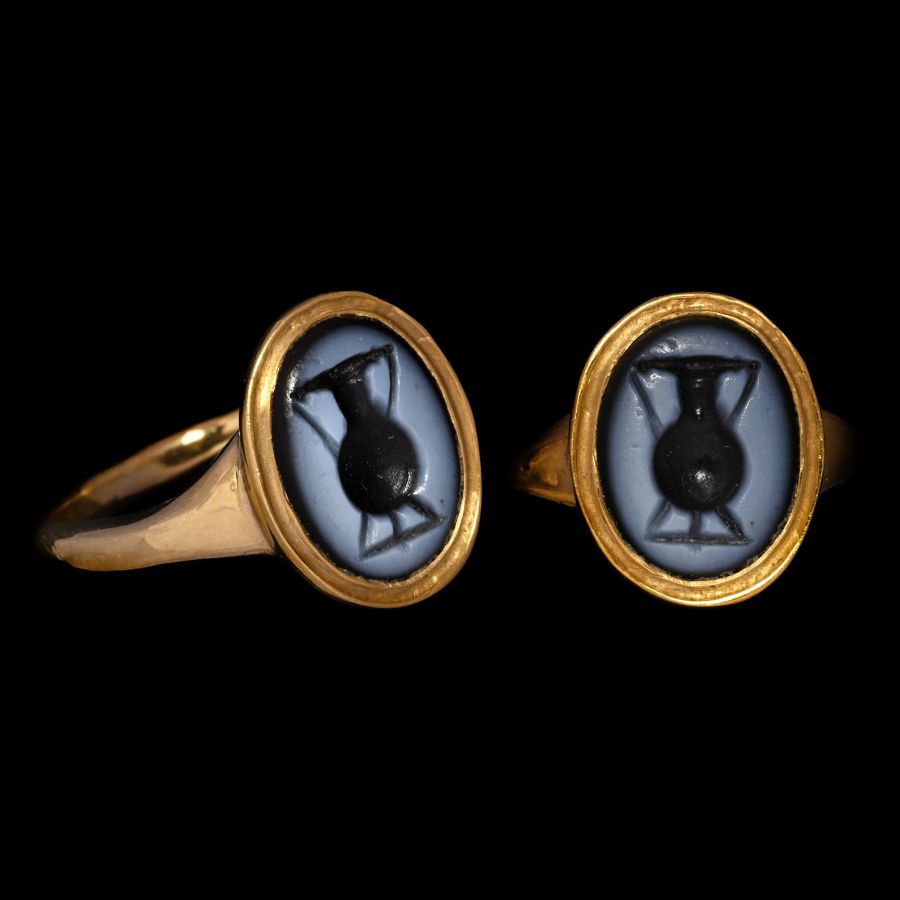
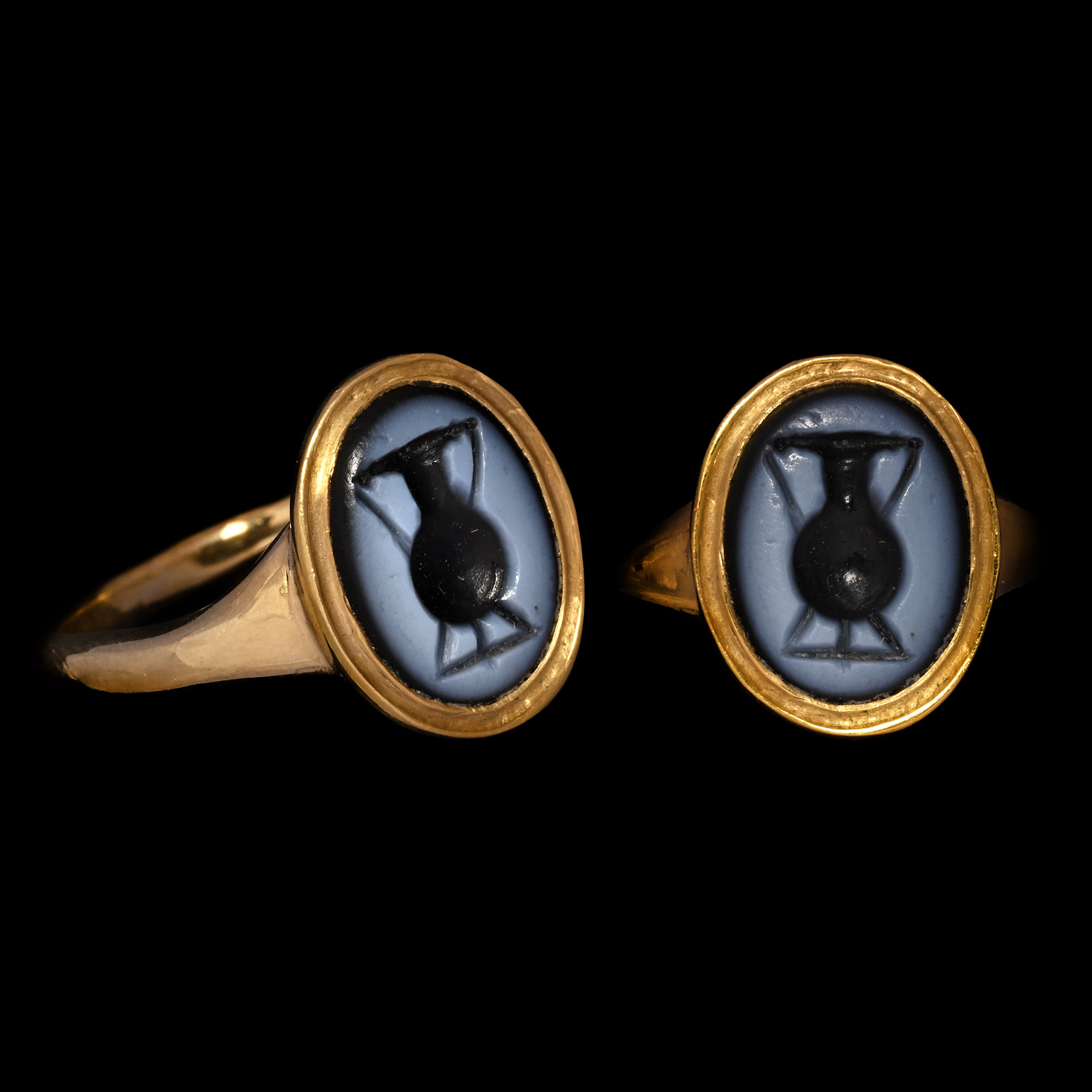
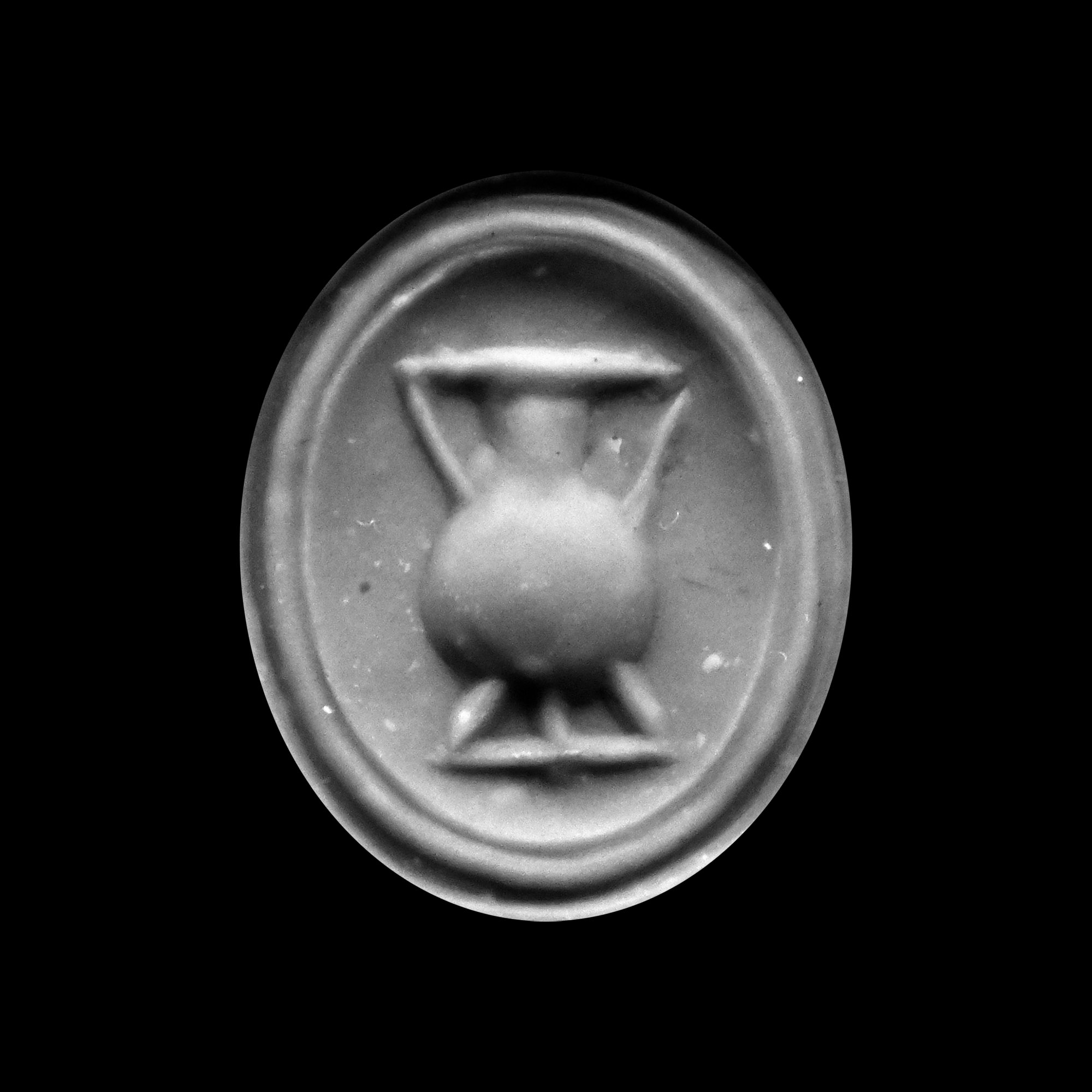
Roman Nicolo Intaglio with Amphora in Gold Ring
1ST-2ND CENTURY A.D.
7/8 in. (5.98 grams, 22.68 mm overall, 16.86 x 16.80 mm internal diameter (approximate size British M 1/2, USA 6 1/4, Europe 13.09, Japan 12)).
Ellipsoid with motif of an amphora on a stand; mounted in a later hollow-formed gold ring; supplied with a museum-quality impression.
ProvenancePrivate collection, Europe.
Acquired on the English art market.
TimeLine Auctions follows a vetting process to ensure the authenticity and legality of all items, reinforcing our commitment to integrity and responsible trading. Each antiquity, antique, and coin lot undergoes thorough examination by a vetting committee of at least ten external specialists, professional trade association members, scientists, and archaeologists: Our Vetting Process
AUCTIONS:
TimeLine is a leading auction house specialising in antiquities, ancient art, collectables, natural history, coins, medals, and books. Our auctions offer museums, collectors, historians, and enthusiasts the opportunity to acquire unique and historically significant pieces.
-
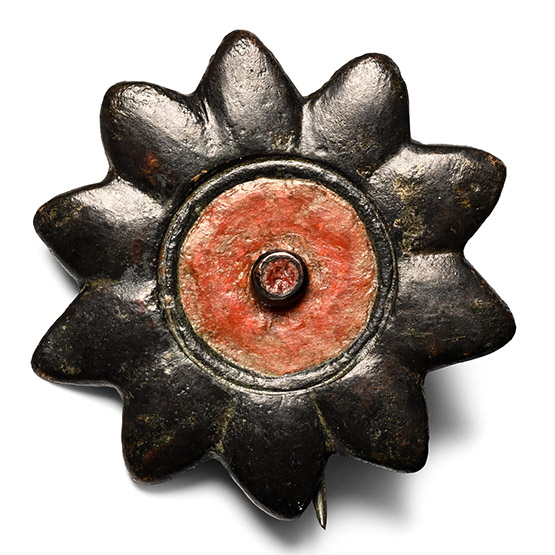
Roman Enamelled Bronze Flower-Shaped Plate Brooch
Circa 1st-3rd century A.D.Sold for (Inc. bp): £117
Tondo with central stud and red enamel fill, ten radiating triangular petals; hinged pin and catch to reverse. 5.43 grams, 28.4 mm
Ex German art market, 2000s. Acquired from an EU collector living in London. From the collection of a Surrey, UK, gentleman. -
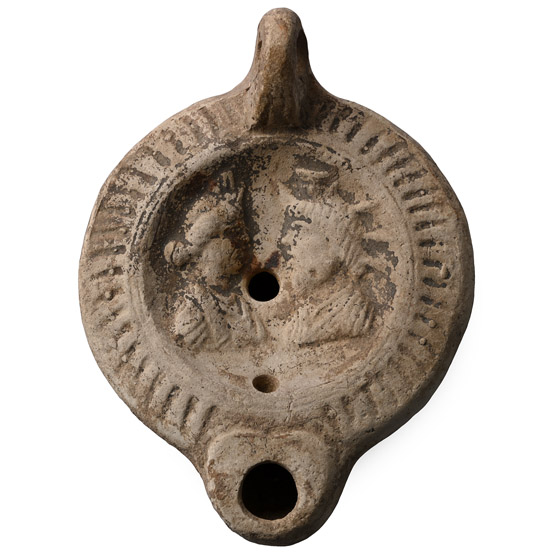
Roman Terracotta Oil Lamp with Isis and Serapis
2nd-3rd century A.D.Sold for (Inc. bp): £124
Discoid in plan with short D-shaped nozzle, loop handle, discus with low-relief image of two facing busts representing Isis and Serapis, shoulder with ribbed decoration; marked discoid base. 103 grams, 11.6 cm
From the stock of a former UK antiquarian, acquired at trade fairs and from private collection formed in the 1980s-1990s. Private collection, Europe. -
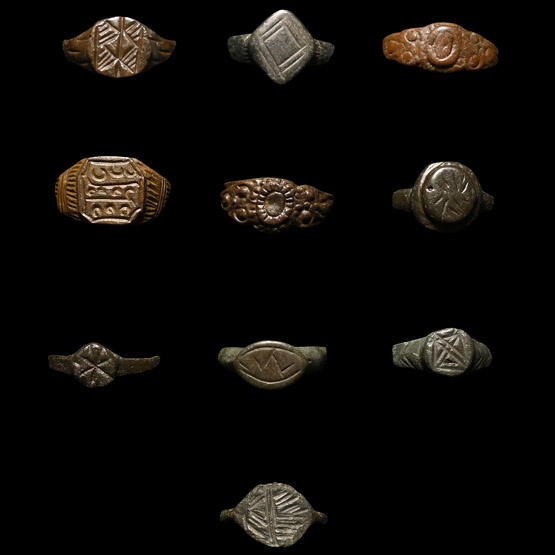
Roman to Medieval Bronze Ring Collection
1st-16th century A.D.Sold for (Inc. bp): £364
Including vesica bezel with 'W' motif, lozenge bezel with concentric squares, rosette motif and other types. 33.4 grams total, 16-24 mm
Ex German art market, 2000s. Acquired from an EU collector living in London. From the collection of a Surrey, UK, gentleman.
