
Loading, please wait...
LOT 0755
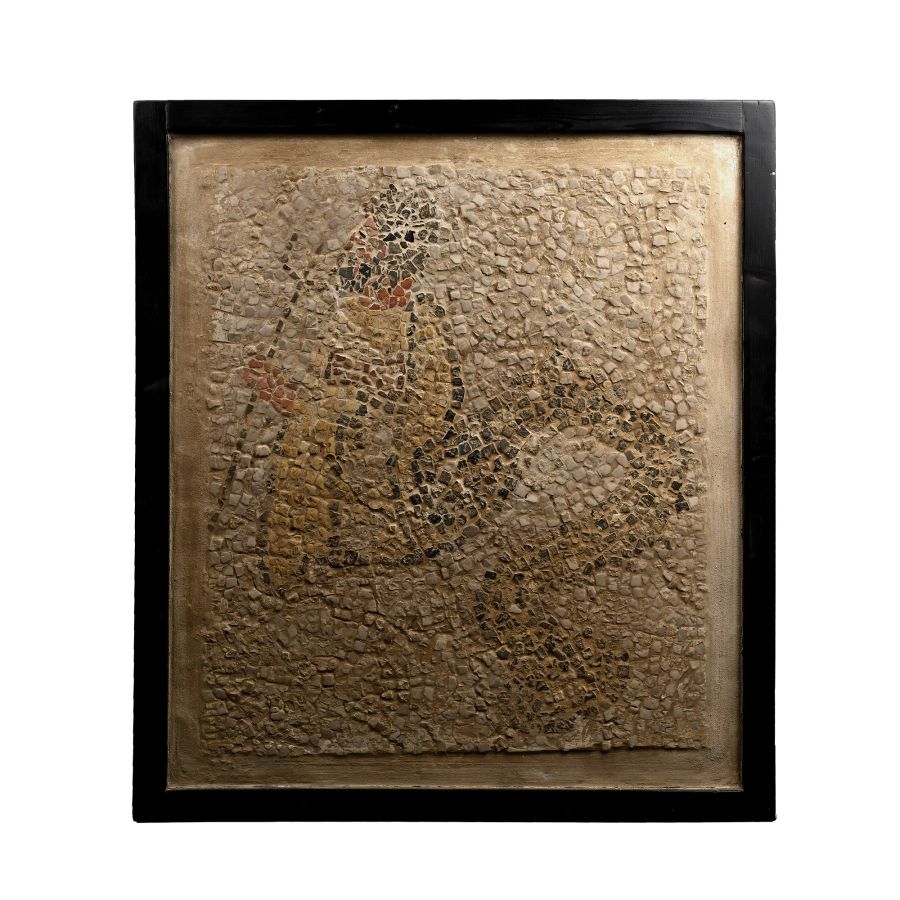
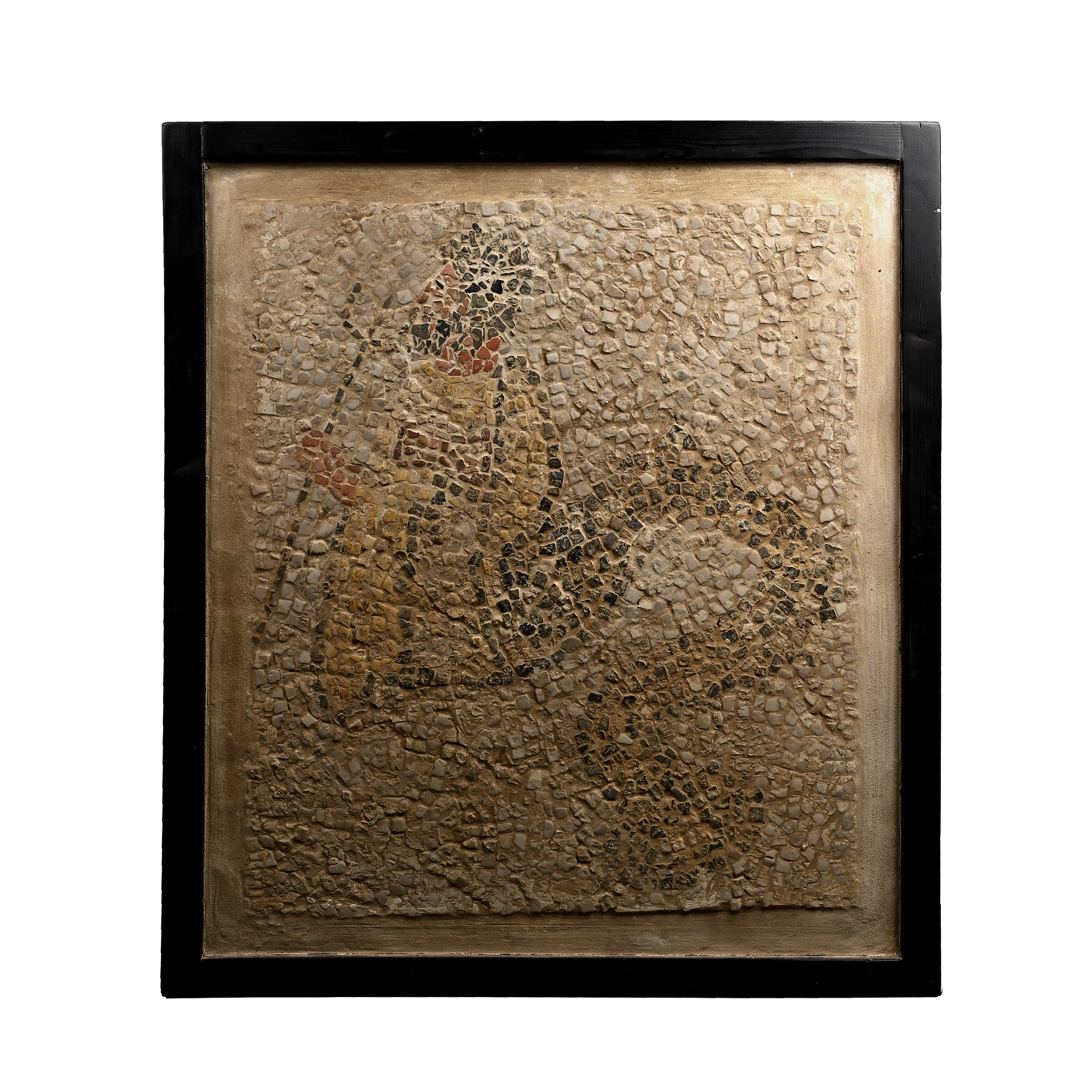
Roman Mosaic with Neptune Holding Trident
EASTERN EMPIRE, 1ST-3RD CENTURY A.D. AND LATER
36 3/4 x 32 5/8 in. (41.9 kg, 93.5 x 83 cm).
Floor panel depicting Neptune (Greek Poseidon) or Triton, god of the sea, wielding a trident in his extended hand, piscine body coiled behind; some reconstitution, restored and mounted in a modern matrix and frame for display. [No Reserve]
ProvenanceEx property of a Munich collector; previously acquired in the 1980s.
From the stock of a UK gallery circa 2019.
Neptune is the god of the sea, freshwater, earthquakes, and horses, the Roman counterpart to the Greek god Poseidon, seen here wielding a trident but often depicted with horses or dolphins.
CONDITIONTimeLine Auctions follows a vetting process to ensure the authenticity and legality of all items, reinforcing our commitment to integrity and responsible trading. Each antiquity, antique, and coin lot undergoes thorough examination by a vetting committee of at least ten external specialists, professional trade association members, scientists, and archaeologists: Our Vetting Process
AUCTIONS:
TimeLine is a leading auction house specialising in antiquities, ancient art, collectables, natural history, coins, medals, and books. Our auctions offer museums, collectors, historians, and enthusiasts the opportunity to acquire unique and historically significant pieces.
-
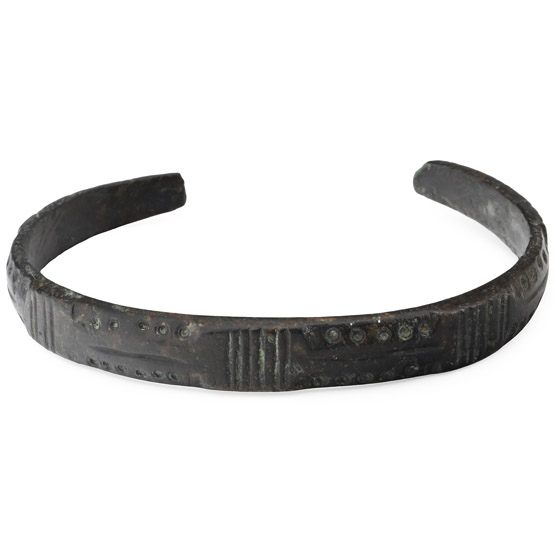
Roman Bronze Decorated Military Bracelet
1st-4th century A.D.Sold for (Inc. bp): £169
Penannular type with rounded ends, chamfered panels with punched-point detailing, hatching. 26.09 grams, 67 mm
Ex German art market, 2000s. Acquired from an EU collector living in London. From the collection of a Surrey, UK, gentleman. -
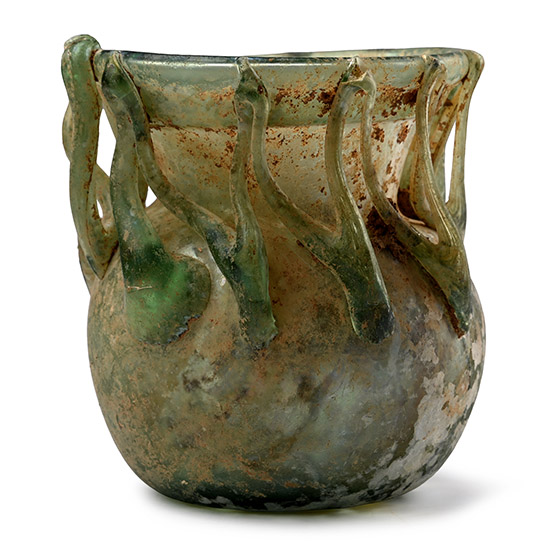
Roman Glass Jar with Looped Trail
3rd-4th century A.D.Sold for (Inc. bp): £468
Globular in profile with a wide double-stepped rolled rim, applied undulating trails forming a gallery from rim to body; pontil base. 89 grams, 74 mm
From a London, UK, collection of glass, 1970-2000s. -
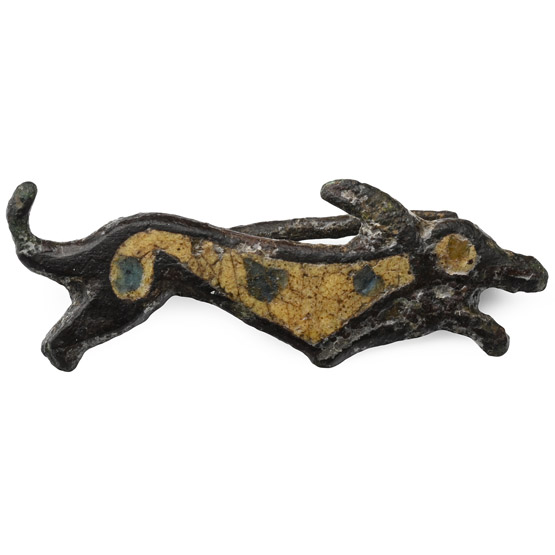
Roman Enamelled Dog Brooch
1st-3th century A.D.Sold for (Inc. bp): £390
Formed as a hound running right with panels to the eye, ear and flank to accept enamel; pin and catchplate to reverse. 4.23 grasms, 37 mm
Acquired on the UK art market. Private collection, England.
