
Loading, please wait...

LOT 0920
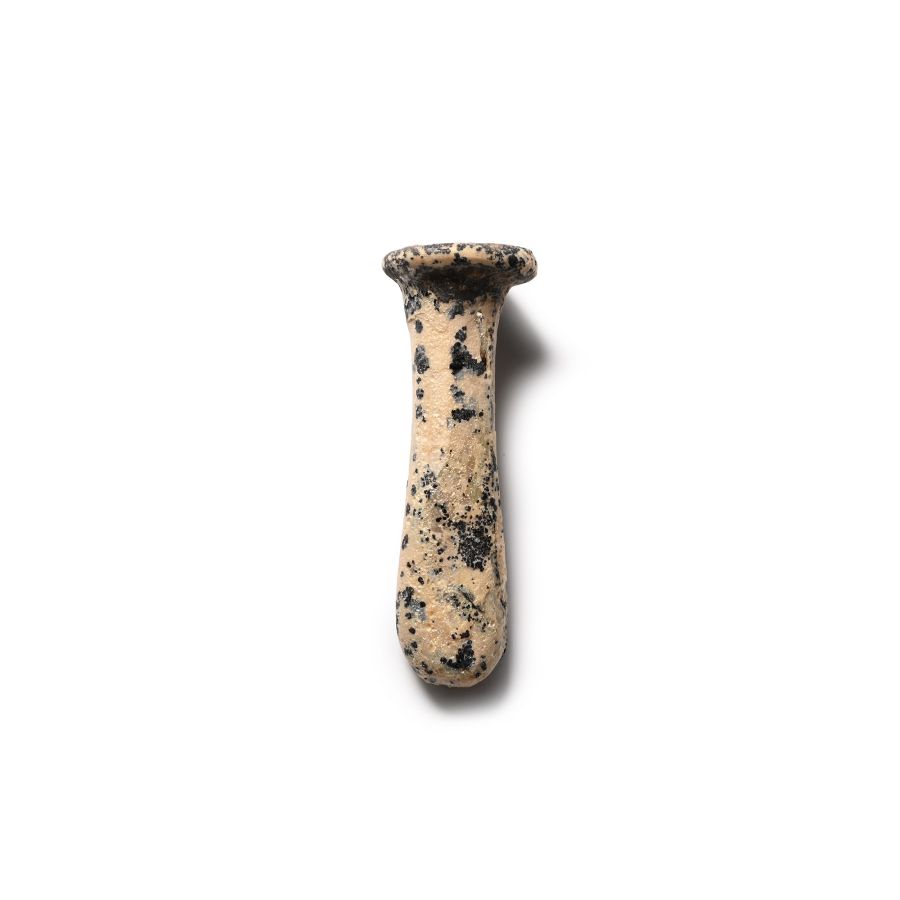
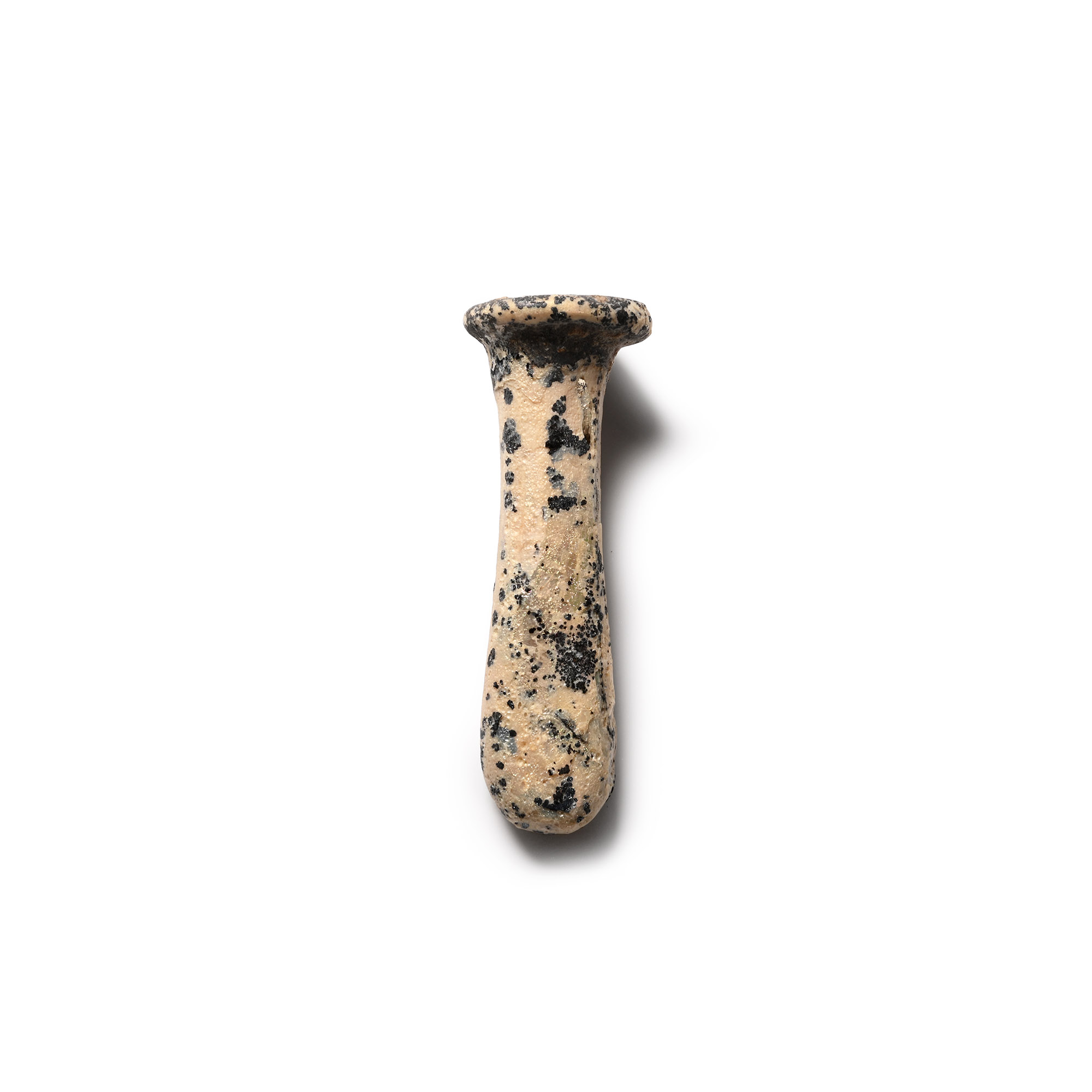
Roman Miniature Glass Vessel
3RD-4TH CENTURY A.D.
1 5/8 in. (2.2 grams, 42 mm).
With bulbous body and rolled rim to the mouth. [No Reserve]
ProvenanceIan Wilkinson collection, Nottinghamshire, UK, formed since 1985.
This lot is accompanied by an illustrated lot declaration signed by the Head of the Antiquities Department, Dr Raffaele D’Amato.
Cf. Whitehouse, D., Roman Glass in the Corning Museum of Glass, vol.1, New York, 1997, item 259.
CONDITIONTimeLine Auctions follows a vetting process to ensure the authenticity and legality of all items, reinforcing our commitment to integrity and responsible trading. Each antiquity, antique, and coin lot undergoes thorough examination by a vetting committee of at least ten external specialists, professional trade association members, scientists, and archaeologists: Our Vetting Process
AUCTIONS:
TimeLine is a leading auction house specialising in antiquities, ancient art, collectables, natural history, coins, medals, and books. Our auctions offer museums, collectors, historians, and enthusiasts the opportunity to acquire unique and historically significant pieces.
-
.jpg)
Roman Decorated Bronze Armour Clasp
1st-4th century A.D.Sold for (Inc. bp): £130
Formed of a rectangular plaque with punched decoration, hook to one end and an open loop to the other. 5.28 grams, 68 mm
Ex Californian collection, USA, 1980s. This lot is accompanied by an illustrated lot declaration signed by the Head of the Antiquities Department, Dr Raffaele D’Amato. -
Roman Gold Ring with Goddess Minerva Gemstone
2nd-3rd century A.D.Sold for (Inc. bp): £2,730
Slender hoop with jasper gemstone, incuse standing Minerva. 3.03 grams, 21.70 mm overall, 18.65 mm internal diameter (approximate size British N 1/2, USA 6 3/4, Europe 14.35, Japan 13)
Ex German art market, 2000s. Acquired from an EU collector living in London. From the collection of Surrey, UK, gentleman. This lot is accompanied by an illustrated lot declaration signed by the Head of the Antiquities Department, Dr Raffaele D’Amato. -
Roman Terracotta Oil Lamp with Hunter Spearing a Boar
2nd century A.D.Sold for (Inc. bp): £572
Squat lamp with pierced lug handle and short nozzle; shoulder with band of radiating feathers, discus with hunter wearing a cloak and stabbing a boar emerging from a thicket; concentric rings to underside. 137 grams, 11.9 cm
Acquired from Parthenon Gallery, London WC1, UK, before 2000. Property of a Bedfordshire, UK, private collector. Accompanied by an illustrated collector's identification tag. This lot is accompanied by an illustrated lot declaration signed by the Head of the Antiquities Department, Dr Raffaele D’Amato.
