
Loading, please wait...

LOT 0875
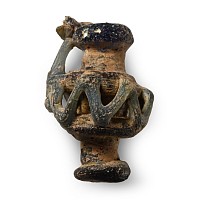
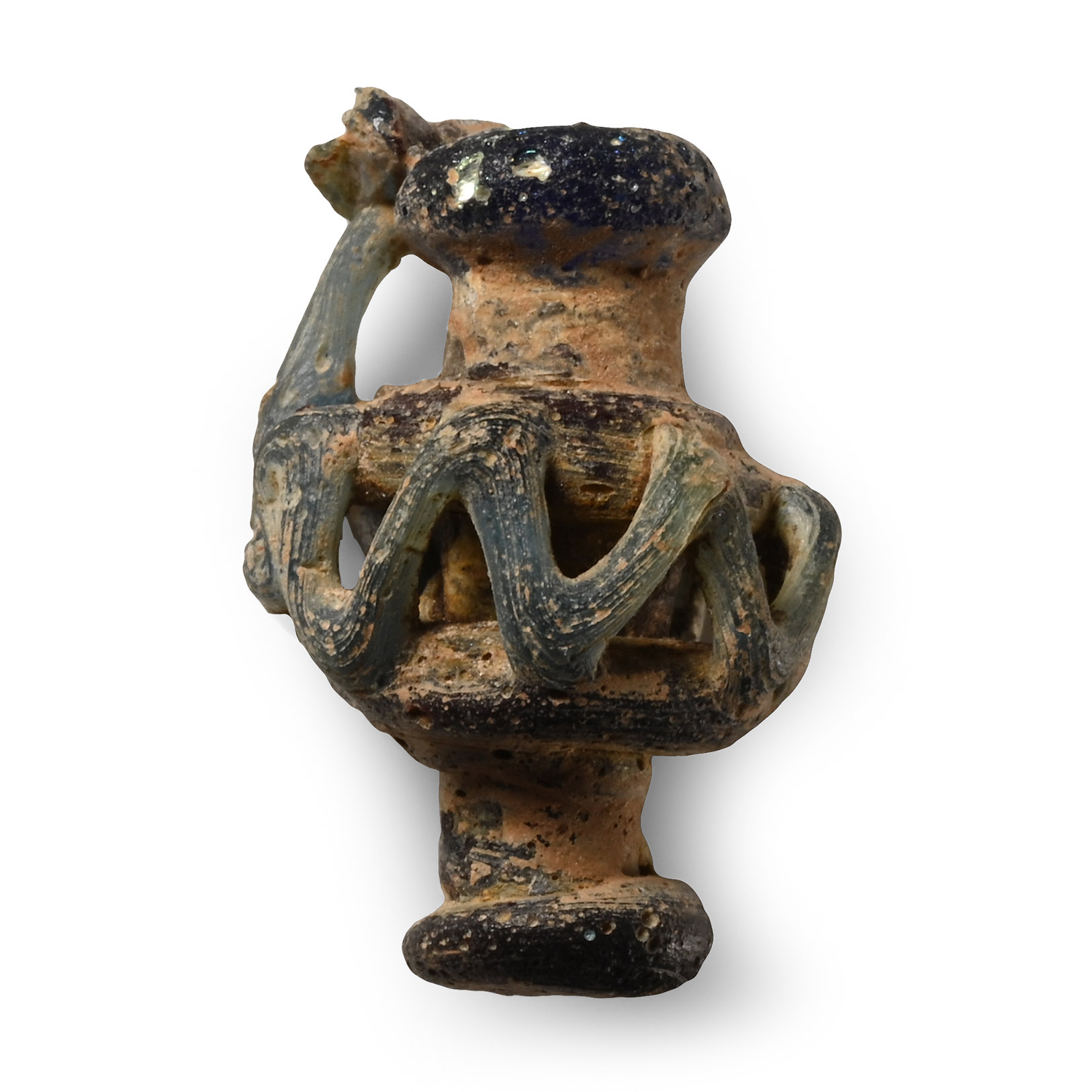
Roman Miniature Glass Juglet
1ST-4TH CENTURY A.D.
1 in. (3.43 grams, 25 mm).
Miniature ewer with applied trails to the body, strap handle and tubular rim.
ProvenanceFrom the collection of Mr S.M., London, UK, formed from 1969-1999.
CONDITIONTimeLine Auctions follows a vetting process to ensure the authenticity and legality of all items, reinforcing our commitment to integrity and responsible trading. Each antiquity, antique, and coin lot undergoes thorough examination by a vetting committee of at least ten external specialists, professional trade association members, scientists, and archaeologists: Our Vetting Process
AUCTIONS:
TimeLine is a leading auction house specialising in antiquities, ancient art, collectables, natural history, coins, medals, and books. Our auctions offer museums, collectors, historians, and enthusiasts the opportunity to acquire unique and historically significant pieces.
LOT 0875
Roman Miniature Glass Juglet
Estimate £100 - 140€120 - 160 (for guidance only)$140 - 190 (for guidance only)
-
.jpg)
Roman Gold Amuletic Bull Pendant Pair
1st-2nd century A.D.Sold for (Inc. bp): £351
Each a hollow-formed sheet-gold panel with bull-head detailing to both faces, pierced at the ears for suspension. 1.21 grams total, 14 mm each
Ex Galerie Dominique Thirion, Brussels, Belgium. From the private collection of Mr K.A. -
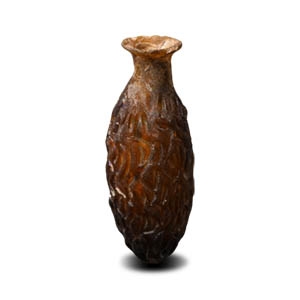
Roman Amber Glass Date Flask
1st century B.C.-1st century A.D. or laterSold for (Inc. bp): £390
With trumpet-shaped mouth and wrinkled effect to the body. 35.6 grams, 89 mm
London art market, 1980s. -
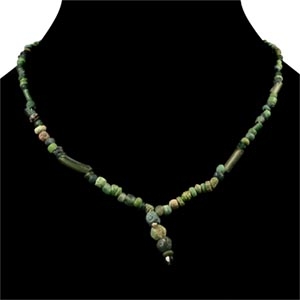
Roman Glass Bead Necklace String
1st-4th century A.D. and laterSold for (Inc. bp): £39
Composed of green beads in various shapes, restrung to a Y-shape. 12.5 grams, 36 cm
Ex property of a late Japanese collector, 1970-2000s.
