
Loading, please wait...
LOT 1365
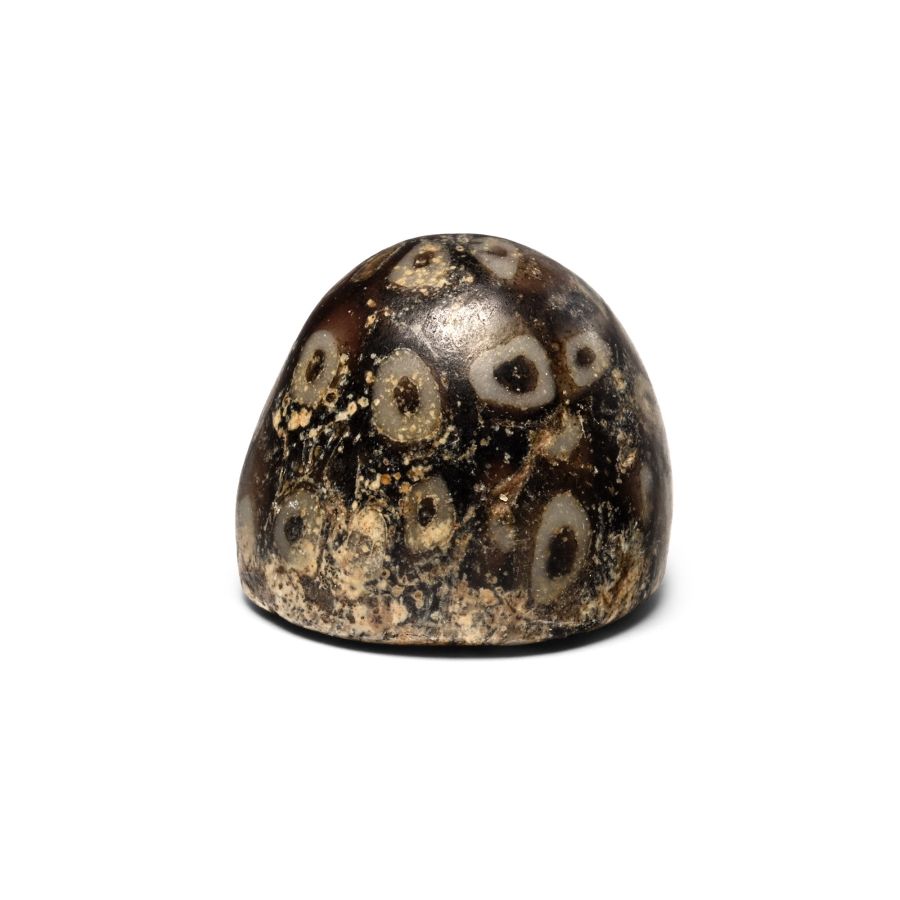
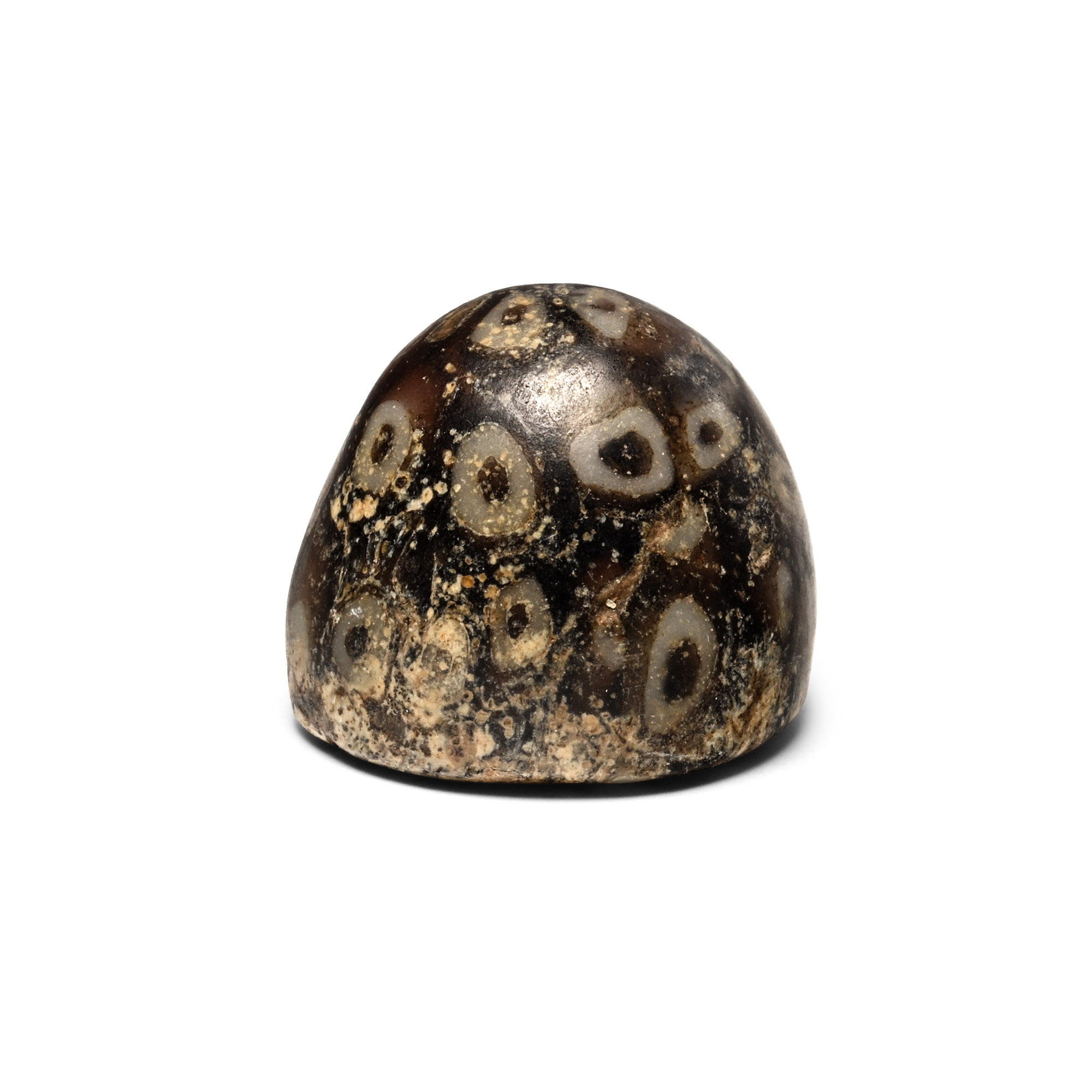
Roman Millefiori Glass Gaming Piece
1ST CENTURY B.C.-1ST CENTURY A.D.
3/4 in. (8.62 grams, 19 mm).
Plano-convex in section with polished face.
ProvenanceFrom the London collection of the late Mr S.M., 1969-1999.
CONDITIONTimeLine Auctions follows a vetting process to ensure the authenticity and legality of all items, reinforcing our commitment to integrity and responsible trading. Each antiquity, antique, and coin lot undergoes thorough examination by a vetting committee of at least ten external specialists, professional trade association members, scientists, and archaeologists: Our Vetting Process
AUCTIONS:
TimeLine is a leading auction house specialising in antiquities, ancient art, collectables, natural history, coins, medals, and books. Our auctions offer museums, collectors, historians, and enthusiasts the opportunity to acquire unique and historically significant pieces.
-
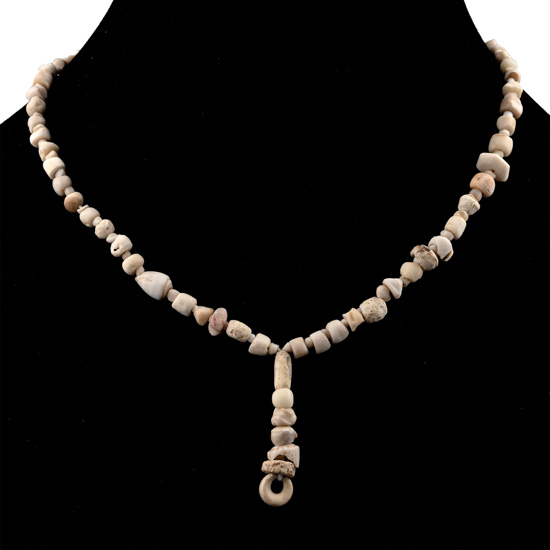
Western Asiatic Pale Stone Bead Necklace String
1st millennium B.C. and laterSold for (Inc. bp): £46
Mixed group of beads in alternating sizes, restrung to a Y-shape. 14.26 grams, 33 cm
From London, UK, gallery collection, 1990s. -
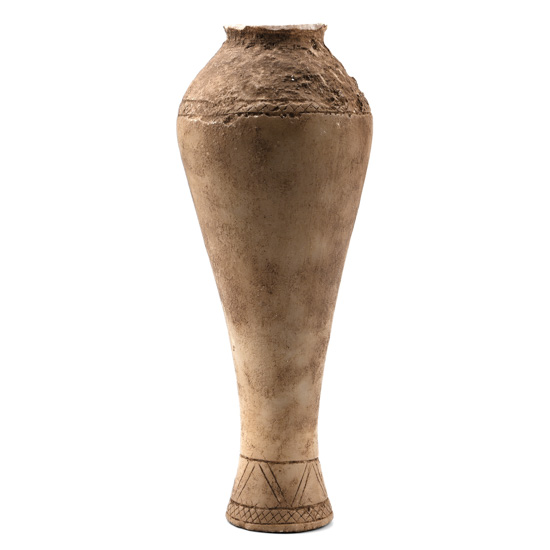
Western Asiatic Stone Vessel with Incised Decorations
1st millennium B.C.Estimate: £700 - 900 (+bp*)
Opening Bid: £350
Slender and piriform in profile with a broad shoulder, low rim, slightly flared foot; hatched panel to the shoulder, zigzag band above hatching to the foot. 354 grams, 20.3 cm high
Acquired before 1990. Ex London gallery, 1990s. Private collection, London, UK. -
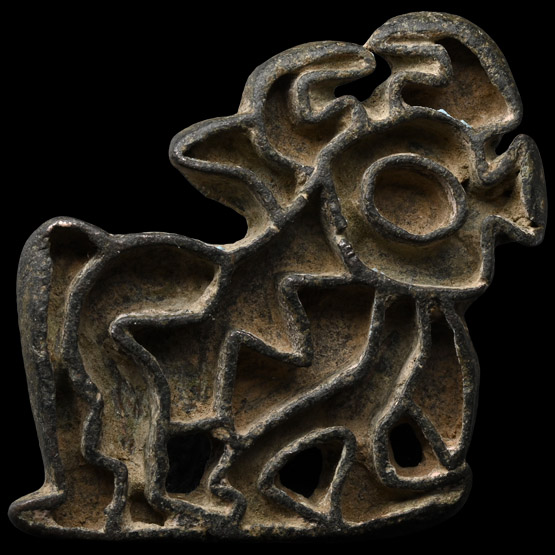
Bactrian Bronze Stamp Seal with Bull
3rd-2nd millennium B.C.Sold for (Inc. bp): £98
Formed as a standing horned quadruple facing right, with segmented face; loop handle to the reverse. 22 grams, 42 mm wide
From a European private collection, acquired before 1993. Private collection, Europe.
