
Loading, please wait...
LOT 0888
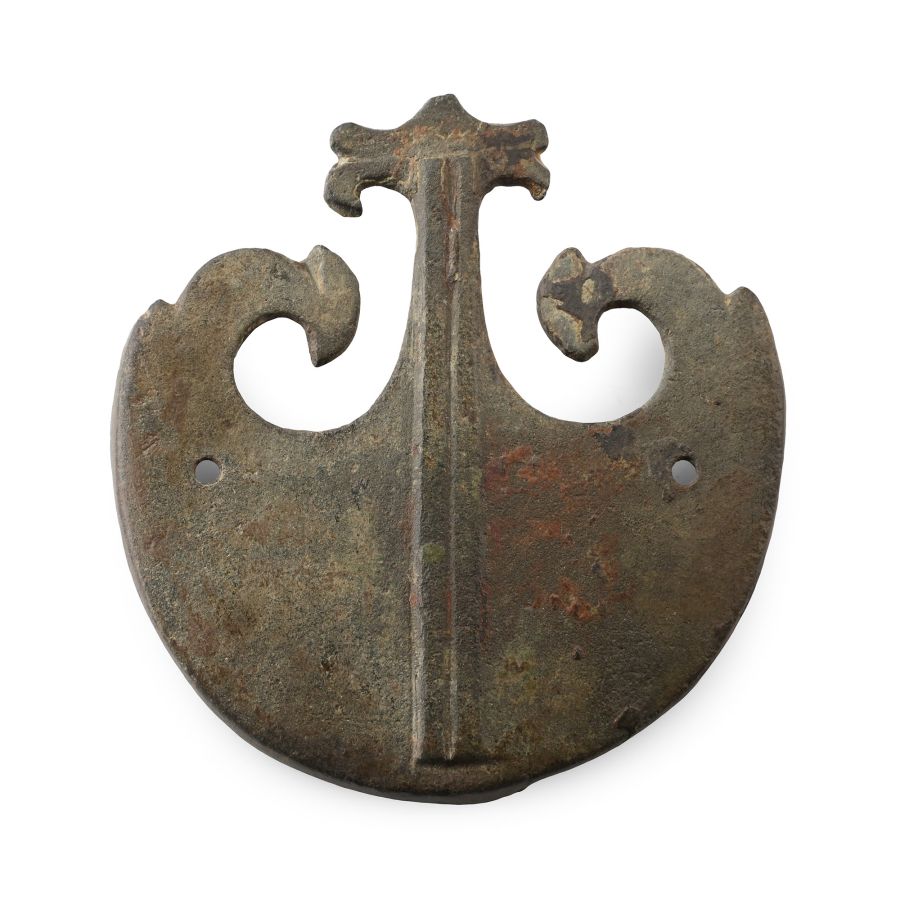
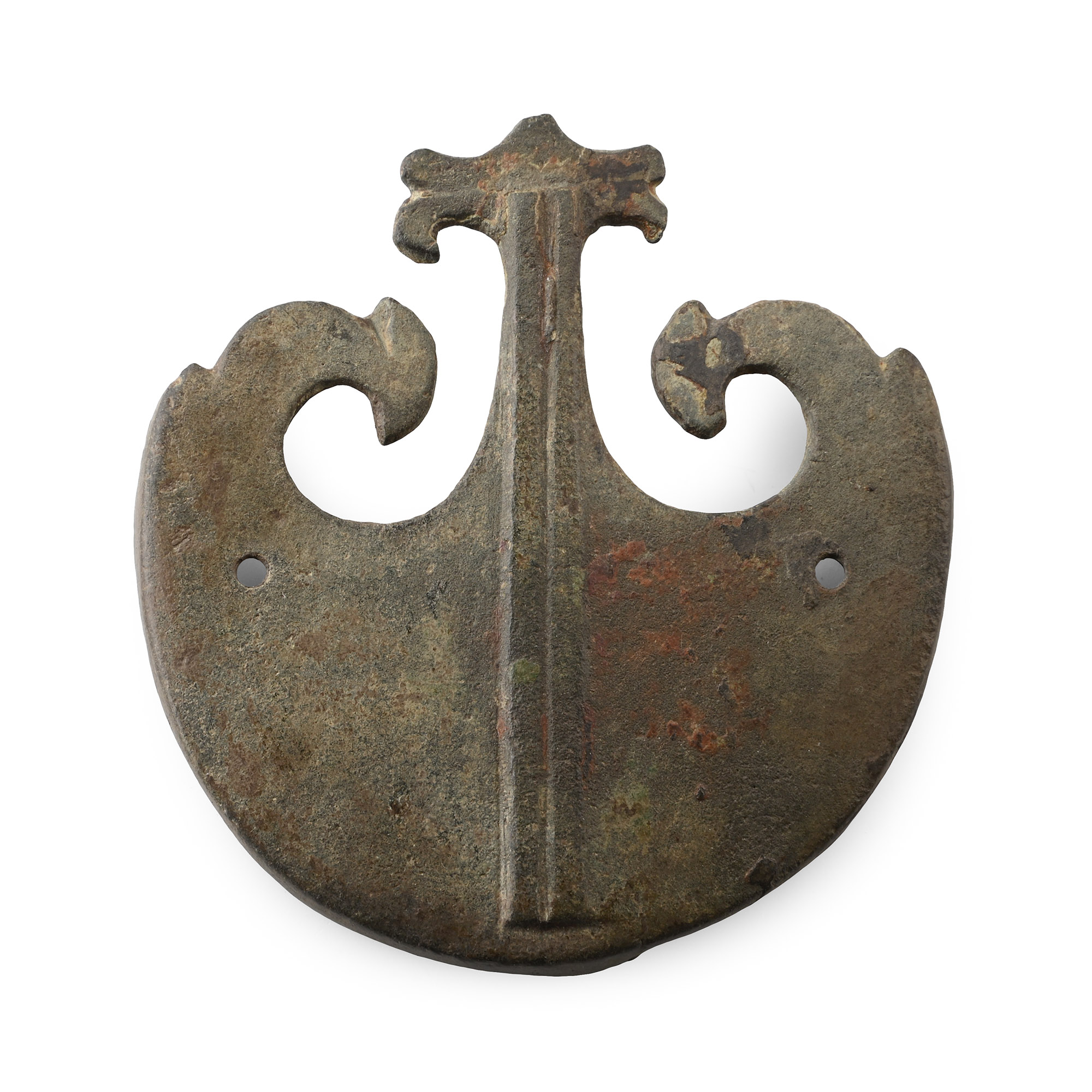
Roman Military Bronze Sword Scabbard
CIRCA 300 A.D.
2 5/8 in. (49 grams, 67 mm).
Tongue-shaped with two scrolls and a T-shaped terminal.
ProvenanceFrom a Wiltshire, UK, collection, 1990s.
CONDITIONTimeLine Auctions follows a vetting process to ensure the authenticity and legality of all items, reinforcing our commitment to integrity and responsible trading. Each antiquity, antique, and coin lot undergoes thorough examination by a vetting committee of at least ten external specialists, professional trade association members, scientists, and archaeologists: Our Vetting Process
AUCTIONS:
TimeLine is a leading auction house specialising in antiquities, ancient art, collectables, natural history, coins, medals, and books. Our auctions offer museums, collectors, historians, and enthusiasts the opportunity to acquire unique and historically significant pieces.
-
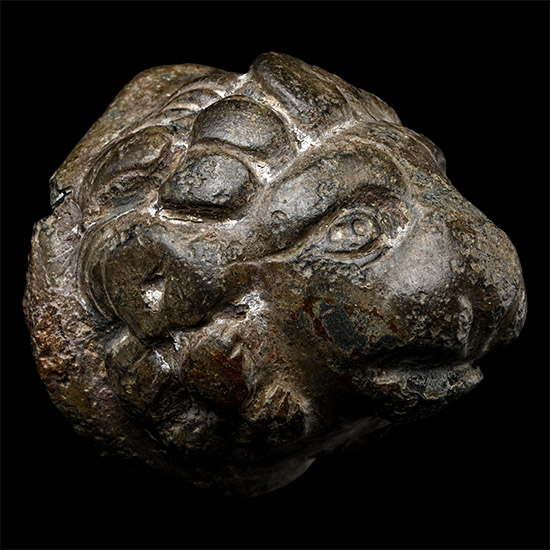
Large Roman Bronze Lion's Head Casket Mount
1st-4th century A.D.Sold for (Inc. bp): £85
Modelled in the round as the head of a lion with voluminous mane, lentoid eyes and slit mouth; ferrous remains within. 126 grams, 36 mm
Acquired on the UK art market. Property of a Suffolk, UK, gentleman. -
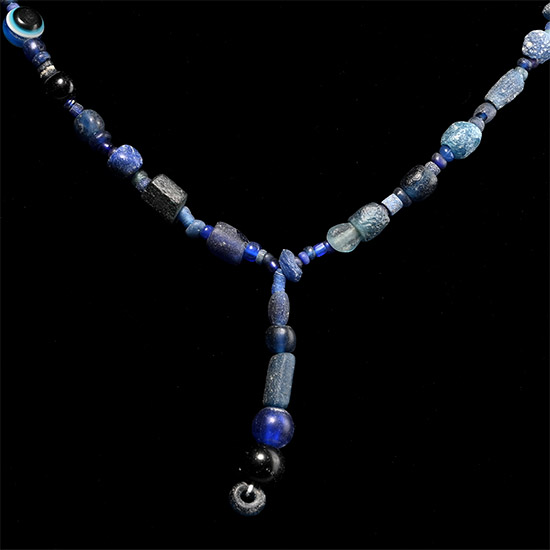
Roman Blue Glass and Other Bead Necklace String
1st-4th century A.D. and laterSold for (Inc. bp): £59
Composed of mixed beads, including two modern 'eye' beads, restrung. 10.4 grams, 33.3 cm
Acquired in the 1990s. Ex London, UK, collection. -
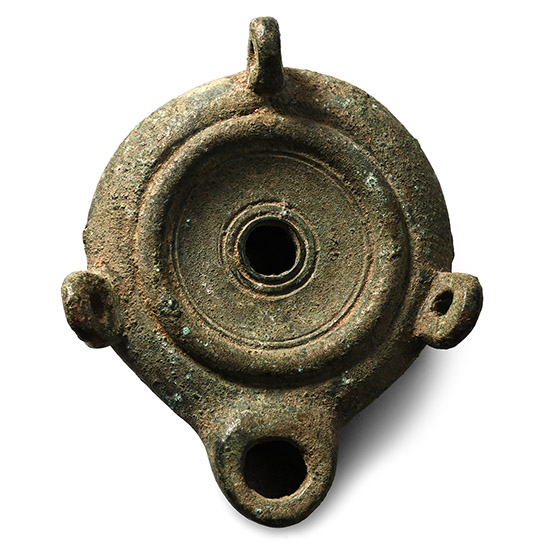
Roman Bronze Oil Lamp
3rd-5th century A.D.Sold for (Inc. bp): £325
With broad sloping shoulder and concave discus with raised circular ridge, central hole; three radiating suspension loops and stub nozzle with flat rim; base with incuse circular grooves. 106 grams, 67 mm
Ex collection Mr. K.H., Germany, Private collection, acquired in 2012.
