
Loading, please wait...
LOT 0940
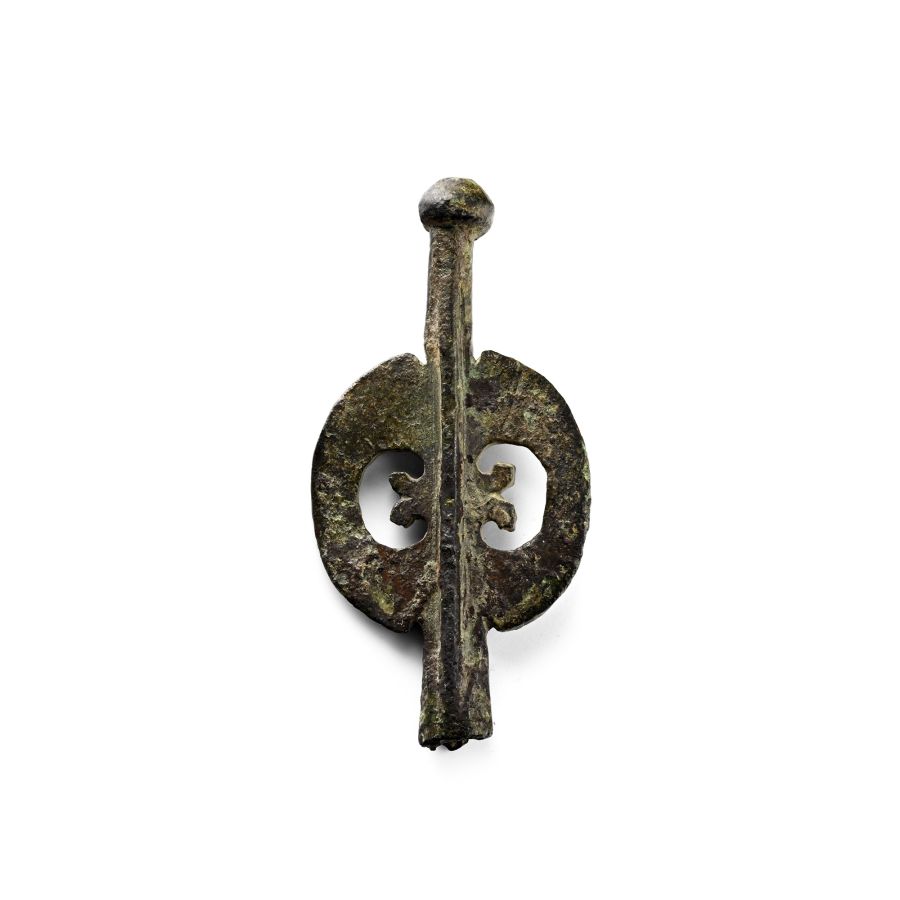
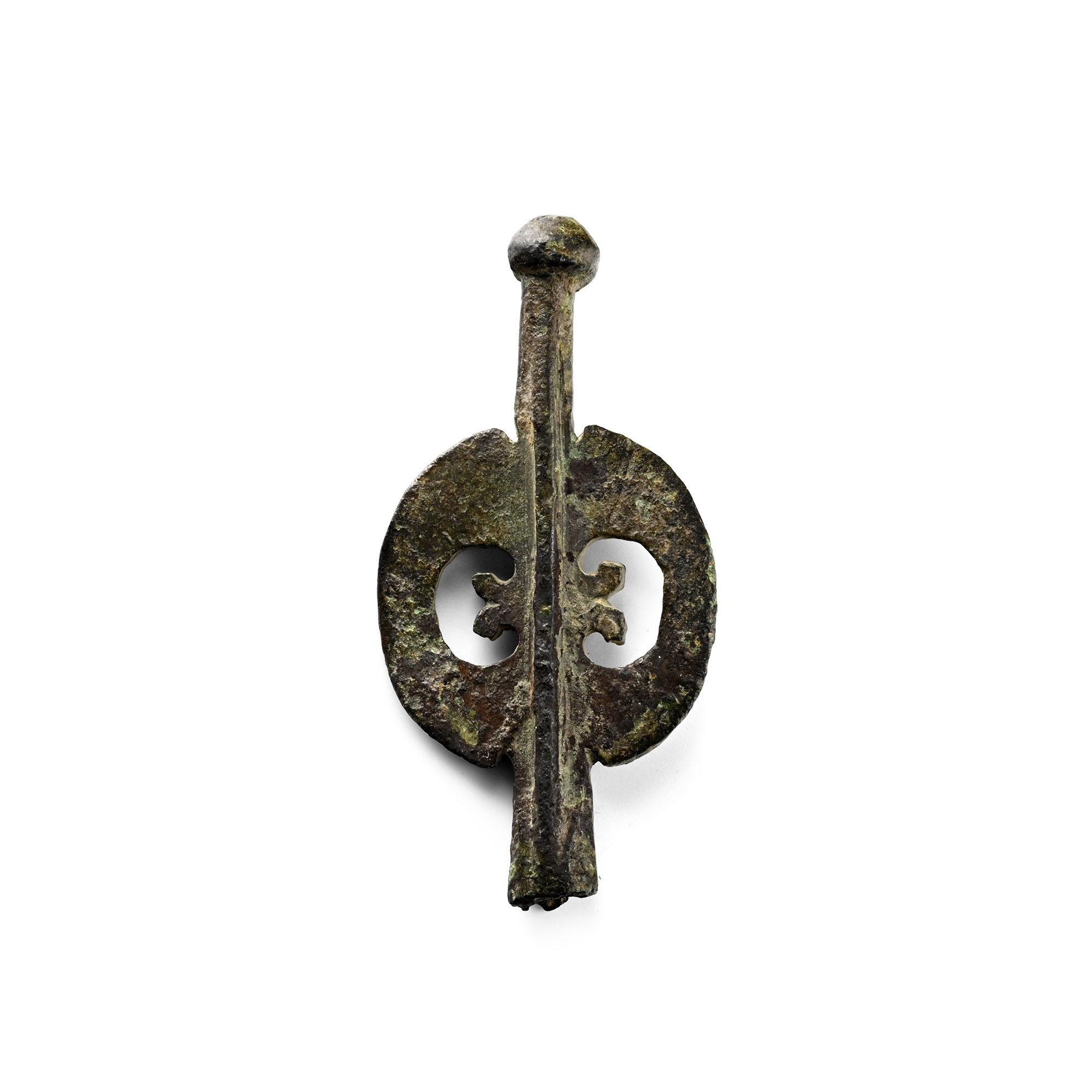
Roman Military Bronze Beneficiarius Insignia Mount
2ND-3RD CENTURY A.D.
2 1/4 in. (17.7 grams, 56 mm).
With tapering and collared median spine, two lateral D-shaped flanges with bean-shaped voids. [No Reserve]
ProvenanceEx Graham Slater (1924-2024) collection, Cambridge, UK; his collection assembled since the 1980s.
From a Cambridgeshire, UK, private collection.
This lot is accompanied by an illustrated lot declaration signed by the Head of the Antiquities Department, Dr Raffaele D'Amato.
See Webster, G., The Roman Imperial Army of the First and Second Centuries, Oklahoma, 1998, p.139, for discussion.
FootnotesThe Beneficiarius was a specially-commissioned soldier whose duties would include undertaking a specific role such as military police. The insignia included a disc with spikes and two circular holes, shown on a military altar.
CONDITIONTimeLine Auctions follows a vetting process to ensure the authenticity and legality of all items, reinforcing our commitment to integrity and responsible trading. Each antiquity, antique, and coin lot undergoes thorough examination by a vetting committee of at least ten external specialists, professional trade association members, scientists, and archaeologists: Our Vetting Process
AUCTIONS:
TimeLine is a leading auction house specialising in antiquities, ancient art, collectables, natural history, coins, medals, and books. Our auctions offer museums, collectors, historians, and enthusiasts the opportunity to acquire unique and historically significant pieces.
-
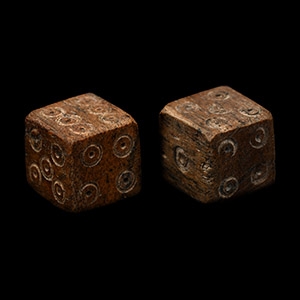
Roman Bone Gaming Dice Pair
1st-4th century A.D.Sold for (Inc. bp): £338
Cuboid with incised annular markings disposed 1:6, 2:5, 3:4. 6.7 grams total, 12 mm each
Ex German art market, 2000s. Acquired from an EU collector living in London. From the collection of a Surrey, UK, gentleman. This lot is accompanied by an illustrated lot declaration signed by the Head of the Antiquities Department, Dr Raffaele D'Amato. -
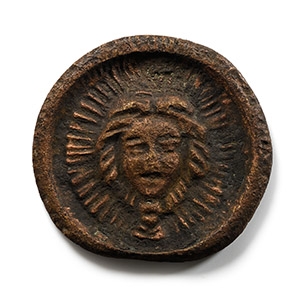
Roman Bronze Phalera of Medusa
3rd-4th century A.D.Sold for (Inc. bp): £234
Discoid in plan with raised lip to the rim, central gorgoneion motif. 33 grams, 47 mm
From the collection of a gentleman, acquired on the London art market in the 1990s. This lot is accompanied by an illustrated lot declaration signed by the Head of the Antiquities Department, Dr Raffaele D'Amato. -
.jpg)
Roman Silver-Gilt Statuette of Mercury
1st-2nd century A.D.Estimate: £600 - 800 (+bp*)
Opening Bid: £300
Modelled in the round in advancing pose, with traveling cloak wrapped around his shoulder and left arm; petasos covering his hair and talaria on his feet. 8.76 grams, 37 mm
Acquired in the late 1980s-early 1990s. Private collection, London, UK. This lot is accompanied by an illustrated lot declaration signed by the Head of the Antiquities Department, Dr Raffaele D'Amato.
