
Loading, please wait...
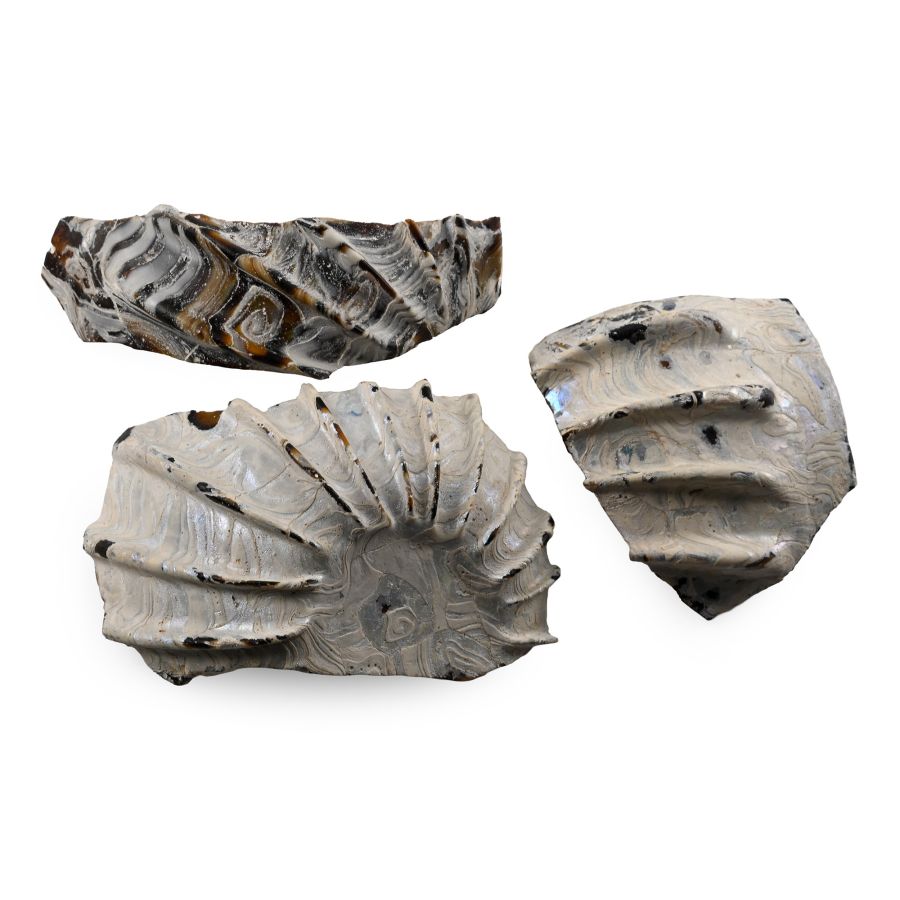
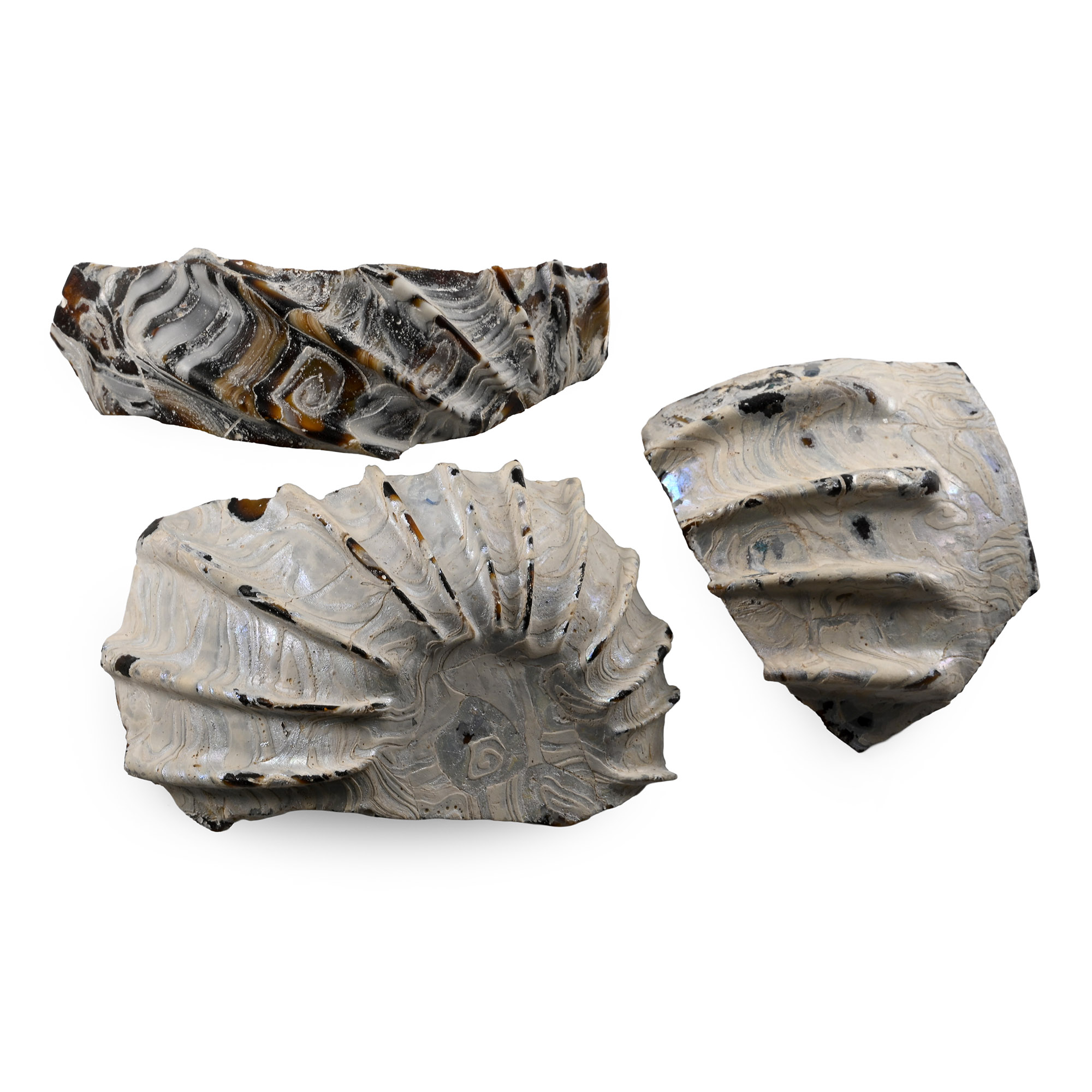
LOT 0880
Roman Marbled Glass Fragments
2ND CENTURY A.D.
3 - 4 1/8 in. (134 grams total, 7.4-10.4 mm).
Including portions of patella cup, and other types. [3, No Reserve]
ProvenanceAcquired on the UK art market, 1977-1979.
Private collection, London.
This lot is accompanied by an illustrated lot declaration signed by the Head of the Antiquities Department, Dr Raffaele D'Amato.
TimeLine Auctions follows a vetting process to ensure the authenticity and legality of all items, reinforcing our commitment to integrity and responsible trading. Each antiquity, antique, and coin lot undergoes thorough examination by a vetting committee of at least ten external specialists, professional trade association members, scientists, and archaeologists: Our Vetting Process
AUCTIONS:
TimeLine is a leading auction house specialising in antiquities, ancient art, collectables, natural history, coins, medals, and books. Our auctions offer museums, collectors, historians, and enthusiasts the opportunity to acquire unique and historically significant pieces.
-
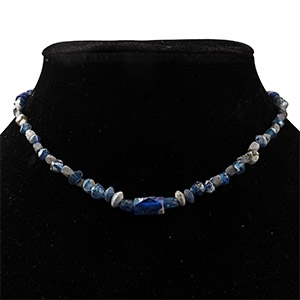
Roman Blue Glass Bead Necklace String
1st-4th century A.D. and laterSold for (Inc. bp): £72
Restrung group including polyhedral, biconical and other types. 7.08 grams, 27 cm
Acquired on the London art market in the late 1980s-1990s. From the family collection of an East London, UK, gentleman. This lot is accompanied by an illustrated lot declaration signed by the Head of the Antiquities Department, Dr Raffaele D'Amato. -
.jpg)
Amethyst Gemstone with Portrait of Constantine the Great
Roman, 4th century A.D. or laterSold for (Inc. bp): £10,400
With intaglio profile bust of Constantine with pteruges and cloak clasped at the shoulder; supplied with a museum-quality impression. 5.36 grams, 26 mm
Acquired in the late 1970s. Property of a London, UK, private collector. From an old London, UK, collection. This lot has been checked against the Interpol Database of stolen works of art and is accompanied by search certificate number no.12806-241223. This lot has been cleared against the Art Loss Register database, and is accompanied by an illustrated lot declaration signed by the Head of the Antiquities Department, Dr Raffaele D'Amato. -
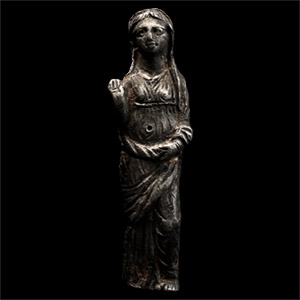
Roman Silver Priestess Statuette
1st-3rd century A.D.Sold for (Inc. bp): £1,430
Solid cast standing female wearing a loosely draped robe draped over her head, the hem gathered at her waist and held in her left hand, right hand raised in greeting. 11.8 grams, 41 mm
Acquired in the mid 1980s-1990s. Private collection, Switzerland, thence by descent. Private collection, since the late 1990s. This lot has been checked against the Interpol Database of stolen works of art and is accompanied by search certificate number no.12227-222180. This lot has been cleared against the Art Loss Register database, and is accompanied by an illustrated lot declaration signed by the Head of the Antiquities Department, Dr Raffaele D'Amato.
