
Loading, please wait...

LOT 0628
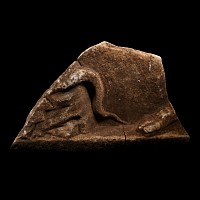
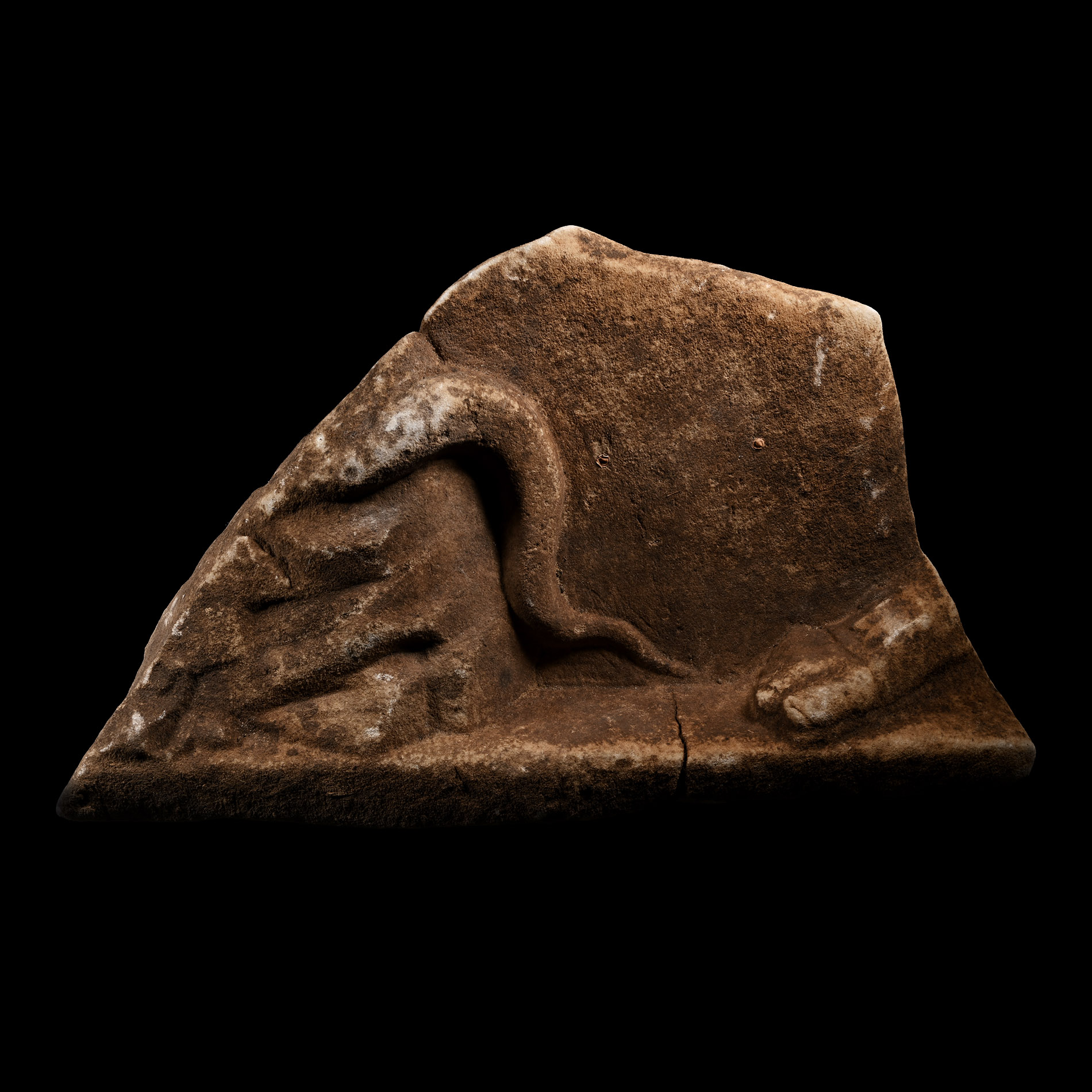
Roman Marble Relief Fragment with Snake
1ST-2ND CENTURY A.D.
12 1/2 in. (3.5 kg, 31.8 cm).
Featuring a sandaled foot to the right, a column(?) to the left with a tail of a snake draped around it.
ProvenanceAcquired in 2001.
Private collection, Europe.
TimeLine Auctions follows a vetting process to ensure the authenticity and legality of all items, reinforcing our commitment to integrity and responsible trading. Each antiquity, antique, and coin lot undergoes thorough examination by a vetting committee of at least ten external specialists, professional trade association members, scientists, and archaeologists: Our Vetting Process
AUCTIONS:
TimeLine is a leading auction house specialising in antiquities, ancient art, collectables, natural history, coins, medals, and books. Our auctions offer museums, collectors, historians, and enthusiasts the opportunity to acquire unique and historically significant pieces.
-
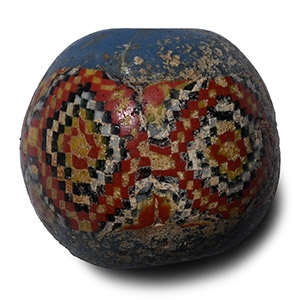
Roman Blue Chequerboard Glass Bead
1st-3rd century A.D.Sold for (Inc. bp): £780
Spherical-shaped with band of millefiori in red, white, blue and yellow, blue borders. 4.48 grams, 15 mm
From the private collection of Mr K.A., acquired in the 1980s. -
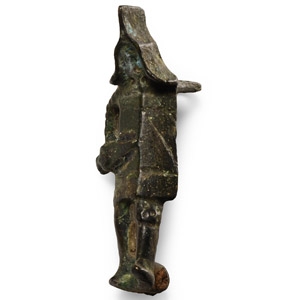
Roman Bronze Gladiator Brooch
1st-3rd century A.D.Sold for (Inc. bp): £338
Plate brooch formed as an advancing gladiator with large rectangular shield, triangular helmet, gladius in his right hand; pin-lug and catch to the reverse. 9.1 grams, 42 mm
Ex German art market, 2000s. Acquired from an EU collector living in London. From the collection of Surrey, UK, gentleman. -
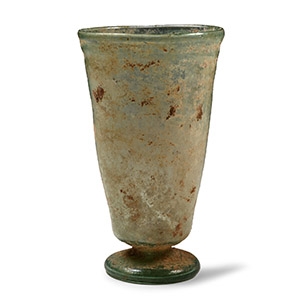
Roman Footed Glass Cup
3rd-4th century A.D.Estimate: £400 - 600 (+bp*)
Opening Bid: £222
Conical profile with slight waisted and integral foot, chamfered rim. 75 grams, 11.3 cm
From a London, UK, collection, 1990s.
