
Loading, please wait...
LOT 0873
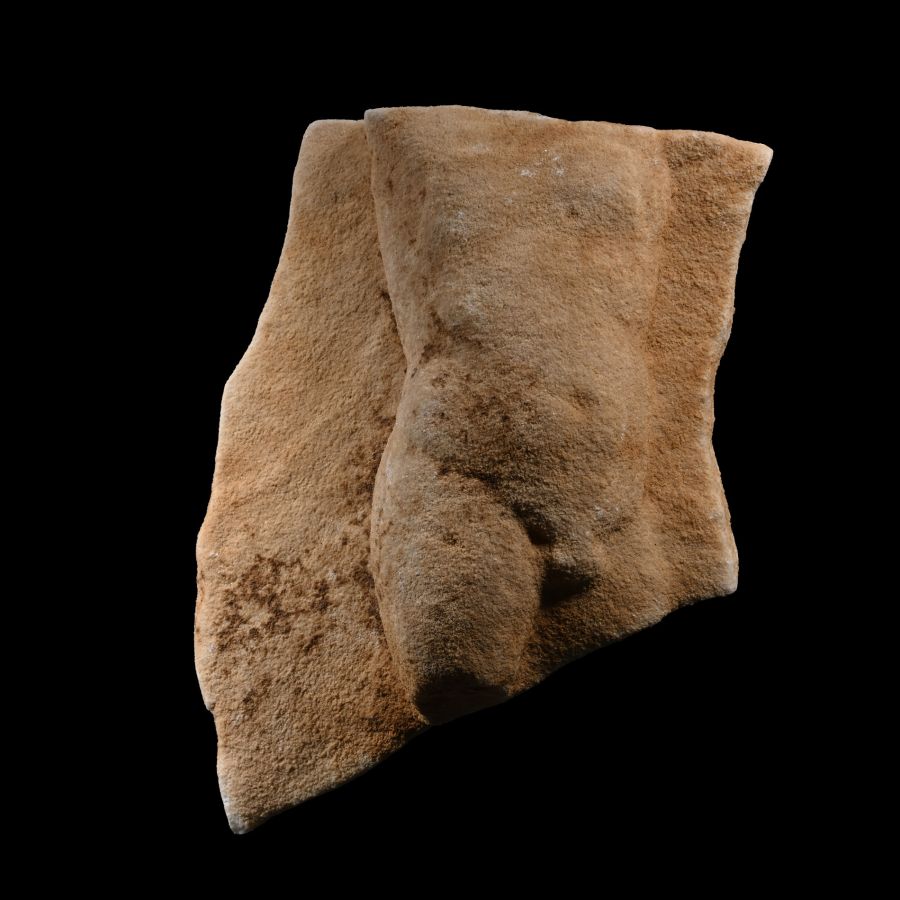
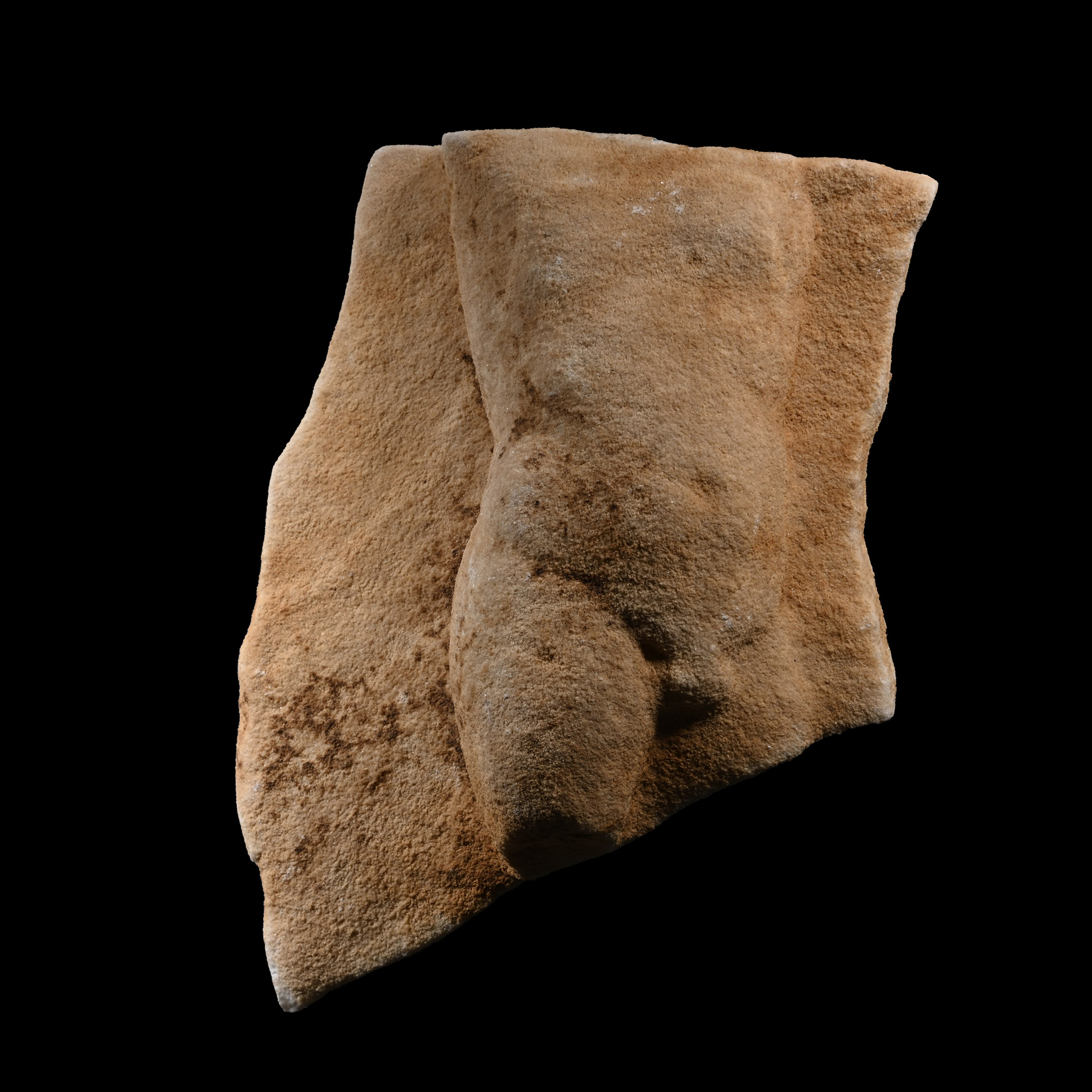
Roman Marble Relief Fragment with Nude Male
1ST CENTURY A.D.
8 1/4 in. (2.11 kg, 21 cm).
Showing a nude muscular male torso with drilled navel.
ProvenanceAcquired in 2001.
Private collection, Europe.
TimeLine Auctions follows a vetting process to ensure the authenticity and legality of all items, reinforcing our commitment to integrity and responsible trading. Each antiquity, antique, and coin lot undergoes thorough examination by a vetting committee of at least ten external specialists, professional trade association members, scientists, and archaeologists: Our Vetting Process
AUCTIONS:
TimeLine is a leading auction house specialising in antiquities, ancient art, collectables, natural history, coins, medals, and books. Our auctions offer museums, collectors, historians, and enthusiasts the opportunity to acquire unique and historically significant pieces.
-
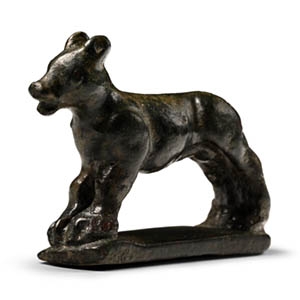
Roman Bronze Figure of a Hunting Dog
1st-2nd century A.D.Sold for (Inc. bp): £468
Modelled in the round on a tongue-shaped base with ears pricked and mouth open. 42.7 grams, 41 mm
Leo Mildenbury collection, Zurich, Switzerland. From the private collection of Mr K.A., acquired in the 1990s-early 2000s. -
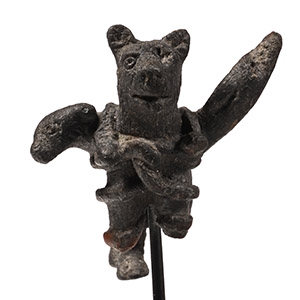
Roman Bronze Statuette of the Three-Headed Guardian Dog Cerberus
2nd-3rd century A.D.Sold for (Inc. bp): £156
Modelled in the round with three heads facing in different directions, and with a pair of snakes wound round the body as a harness; mounted on a custom-made stand. 77 grams total, 63 mm including stand
From a collection acquired on the UK art market from various auction houses and collections mostly before 2000. From an important Cambridgeshire estate; thence by descent.
In Greek mythology, Cerberus, often referred to as the hound of Hades, was a multi-headed dog that guarded the gates of the Underworld to prevent the dead from leaving. His figure is linked to the myth of Orpheus, the only one who managed to tame him with his songs, and to the myth of Hercules, the only one who managed to capture him. -
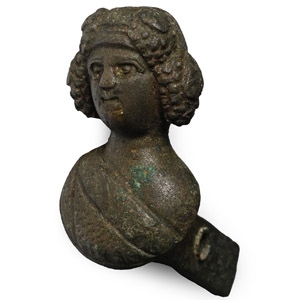
Roman Bronze Bust of Child Dionysus
2nd-3rd century A.D.Sold for (Inc. bp): £156
Modelled in the round with rounded childlike features, band of curly hair framing the flat face with sunken eyes garland and leaves in the hair, pounced detail to the clothing; attachment bar to the reverse. 53 grams, 52 mm
Acquired in the mid 1980s-1990s. Private collection, Switzerland, thence by descent. Private collection, since the late 1990s.
