
Loading, please wait...
LOT 0127
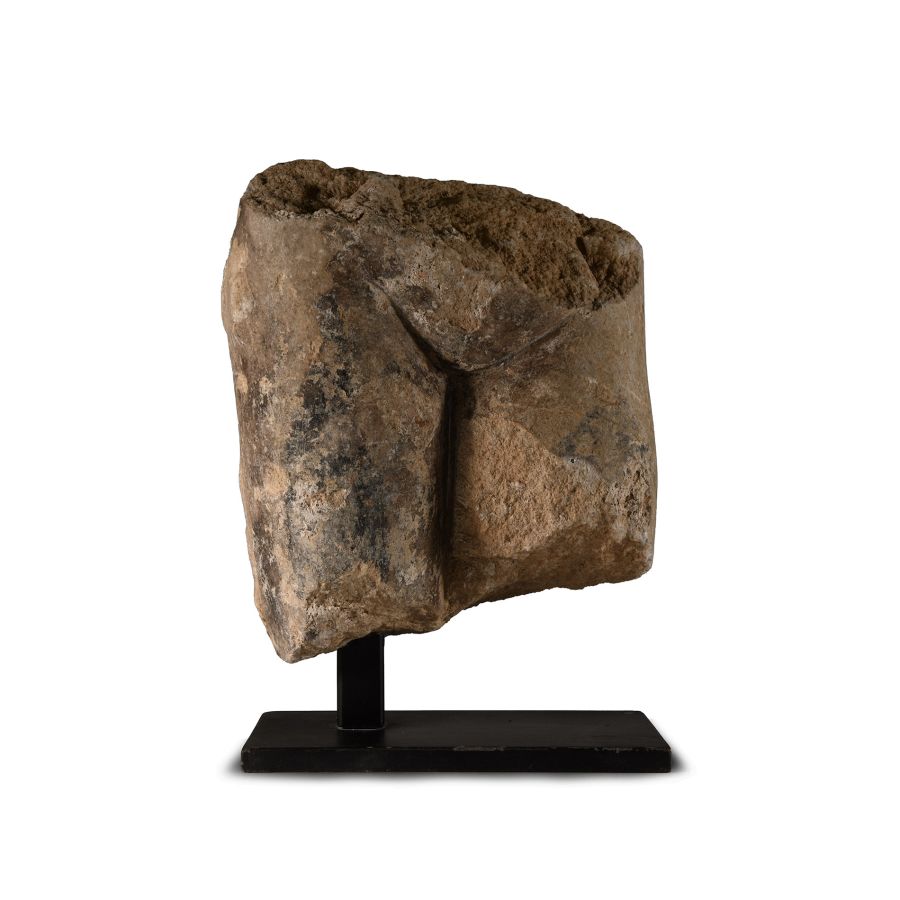
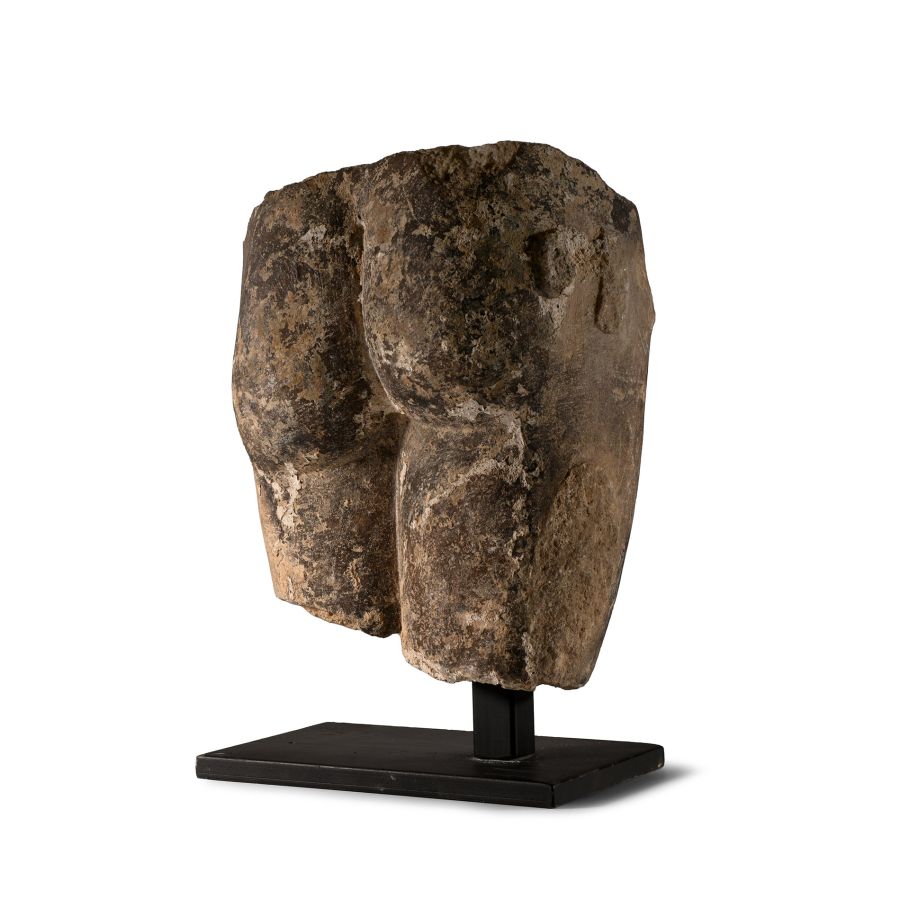
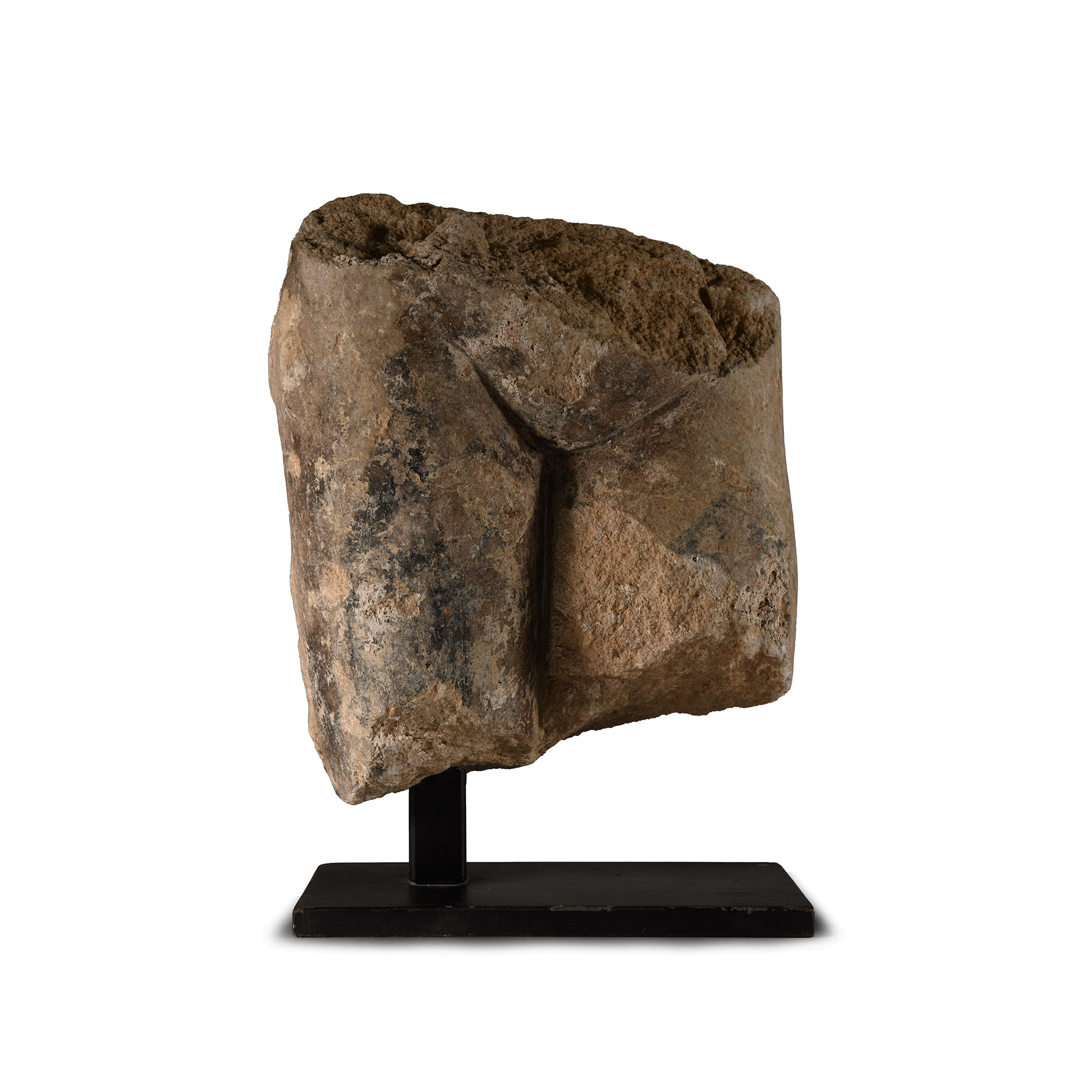
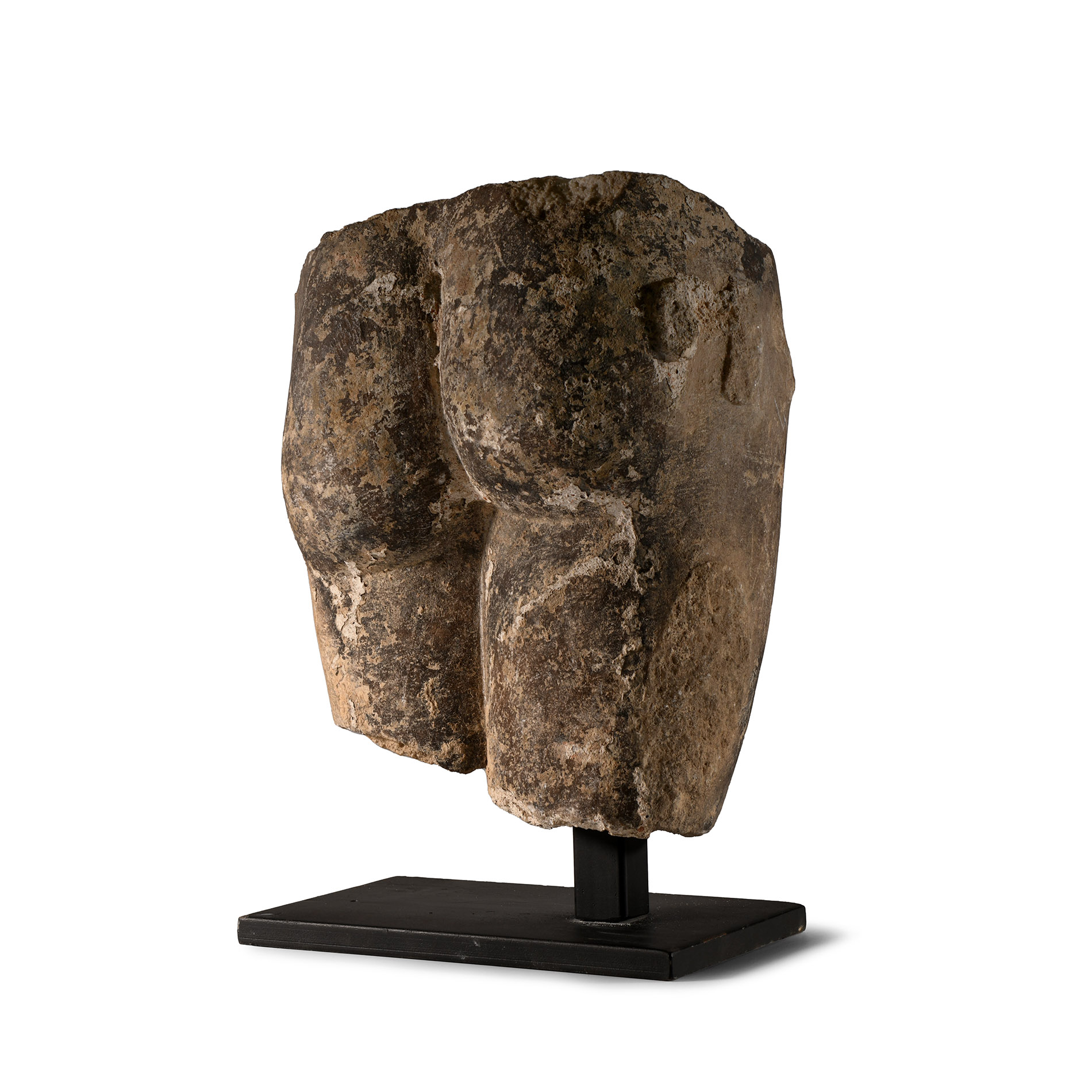
Roman Marble Lower Torso
1ST-2ND CENTURY A.D.
10 1/2 in. (9.35 kg total, 26.5 cm including stand).
Statue fragment of the hips, buttocks and thighs of a nude female; mounted on a custom-made stand.
ProvenanceEx Paris collection.
French gallery, Paris, 1990-2000s.
This lot has been checked against the Interpol Database of stolen works of art and is accompanied by search certificate no.11955-209637.
TimeLine Auctions follows a vetting process to ensure the authenticity and legality of all items, reinforcing our commitment to integrity and responsible trading. Each antiquity, antique, and coin lot undergoes thorough examination by a vetting committee of at least ten external specialists, professional trade association members, scientists, and archaeologists: Our Vetting Process
AUCTIONS:
TimeLine is a leading auction house specialising in antiquities, ancient art, collectables, natural history, coins, medals, and books. Our auctions offer museums, collectors, historians, and enthusiasts the opportunity to acquire unique and historically significant pieces.
LOT 0127
Roman Marble Lower Torso
Estimate £2,500 - 3,500€2,900 - 4,060 (for guidance only)$3,380 - 4,730 (for guidance only)
-
Roman Fitting in the Form of a Female Bust
Coptic, 4th-6th century A.D.Estimate: £300 - 400 (+bp*)
Opening Bid: £150
Carved bone with concave reverse; profile female bust with neatly dressed hair, himation at the shoulder; old collector's label '10' to the reverse. 17.81 grams, 49 mm
European collection formed in the early 1980s. with Bonhams London, 27 April 2006, lot 356. Accompanied by a copy of an IADAA Interpol search certificate. Accompanied by a copy of the relevant Bonham's catalogue pages. -
Late Roman Iron Branding Signaculum
5th-6th century A.D.Sold for (Inc. bp): £94
Featuring an elaborate monogram composed of Greek letters M, A, T and P on three supporting prongs; tapering cylindrical socket. 343 grams, 29.5 cm high
Acquired 1990s-early 2000s. East Anglian private collection.
Branding stamps or signacula, in particular those with large single letters, were used for marking livestock to identify the owner, the breed, the quality and other features of the animal. These signacula were usually made in bronze, but iron examples are also preserved. -
.jpg)
Roman Severus Alexander Denarius Forger's Coin Die Pair and Crucible
Circa 222-235 A.D.Sold for (Inc. bp): £1,300
A contemporary pair of clay coin dies used to manufacture coin forgeries, the working faces depicting a gold aureus or silver denarius of Emperor Severus Alexander, with incuse and reversed legends; each counterfeit die with inscribed numbering to verso [(((( LXIIII = 64]; accompanied by a clay crucible excavated at the same time with inked inscription to the underside: 'Arch.-Nr. / 6612-1975', another object that would have been required in the casting process of manufacturing of fake coins. 86.86 grams total, 44-58 mm
1 - 1 1/4 in.
In a private collection of Roman objects since 1975. Accompanied by a copy of a letter and schedule addressed to the Director of the Library Faculty of Kamp-Linfurt, a branch of Stadsparkasse Duisburg regarding the loan of the forger's die and crucible for exhibition, dated 13 December 1993.
Towards the end of the 2nd century and the early 3rd century A.D. the quality of Roman coinage began to be altered. Probably from the beginning of the reign of Severus Alexander, forgers were tacitly allowed by the Roman government to issue counterfeit coins. There are many ancient coins of this emperor that appear to have been cast in moulds. Most of these moulds would have been employed by forgers, and the dies were normally destroyed quickly after use in an effort to dispose of the evidence.
