
Loading, please wait...
LOT 0131
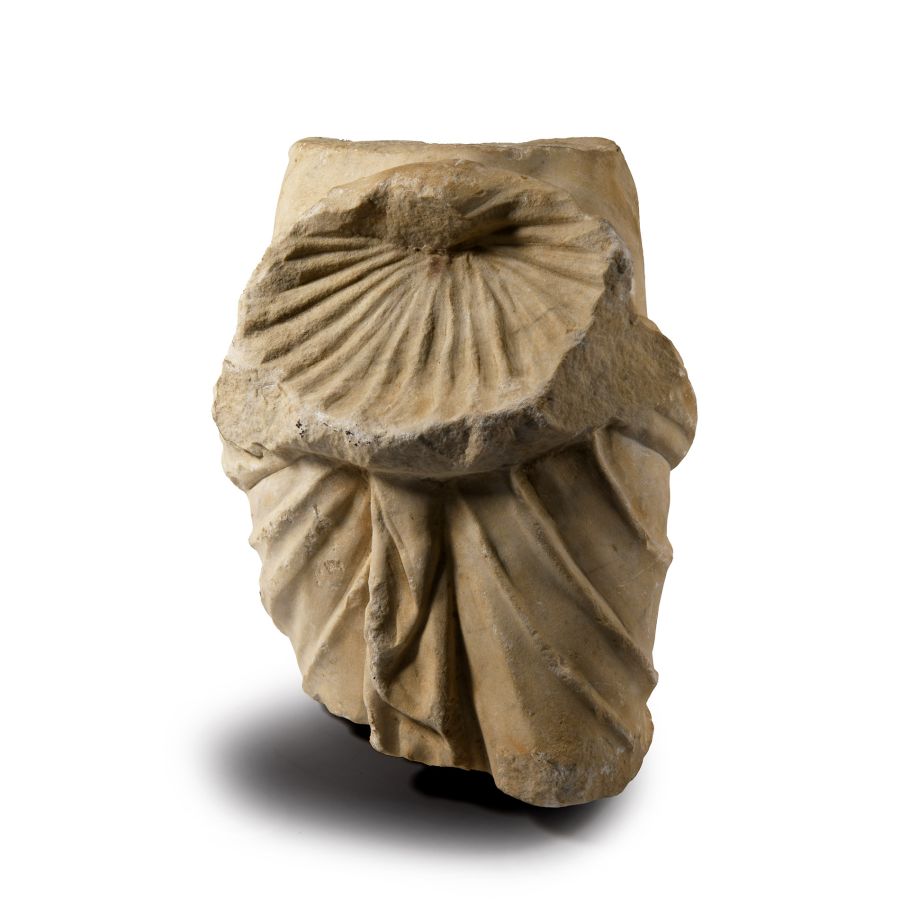
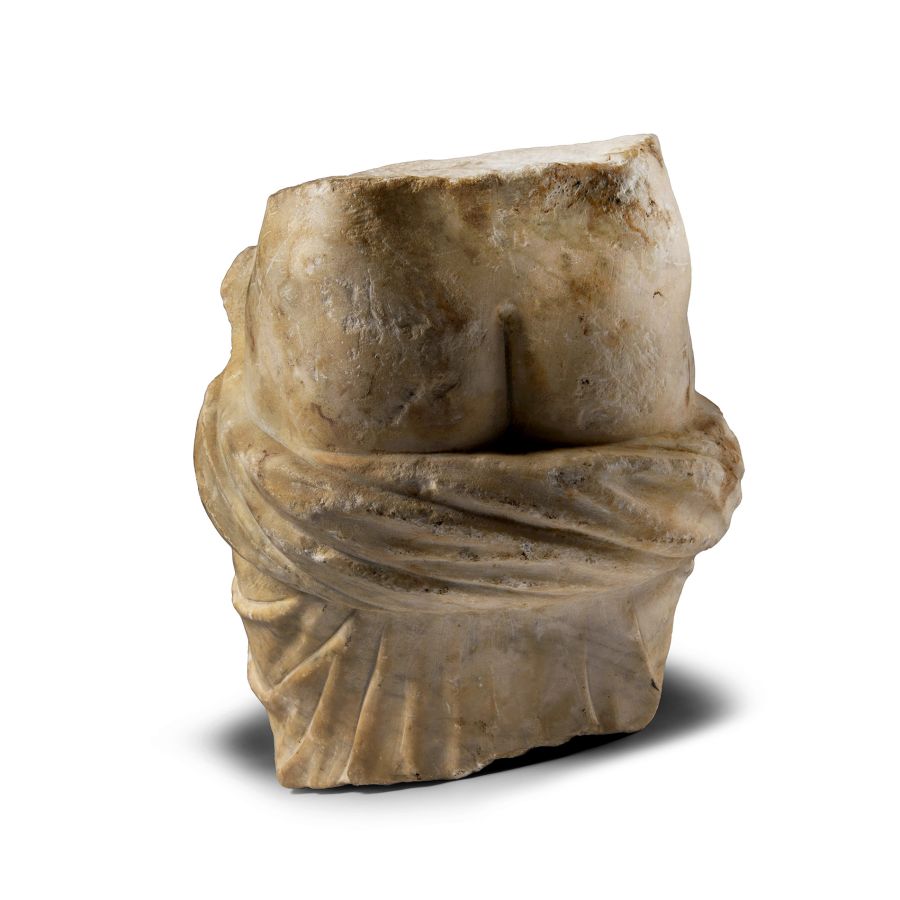
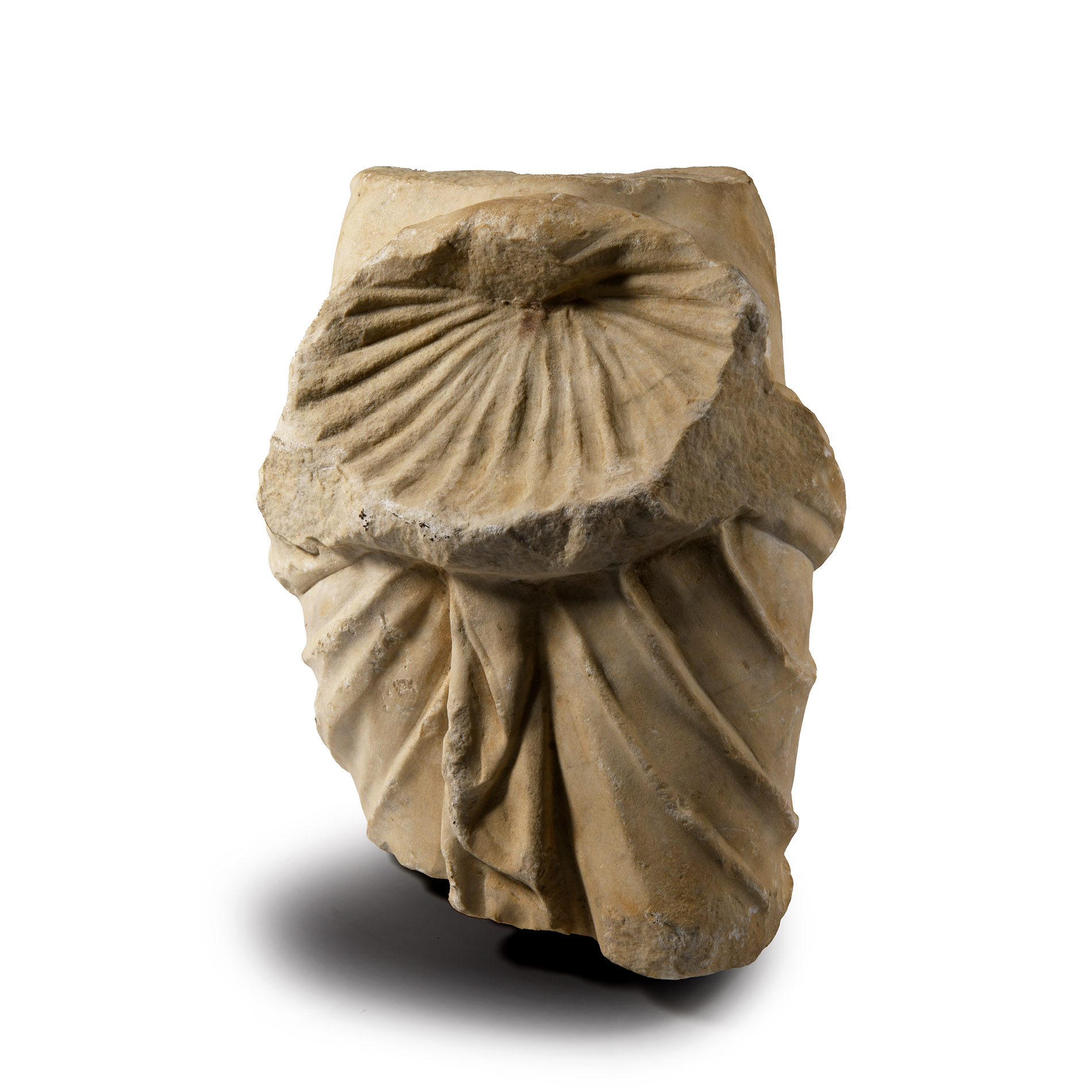
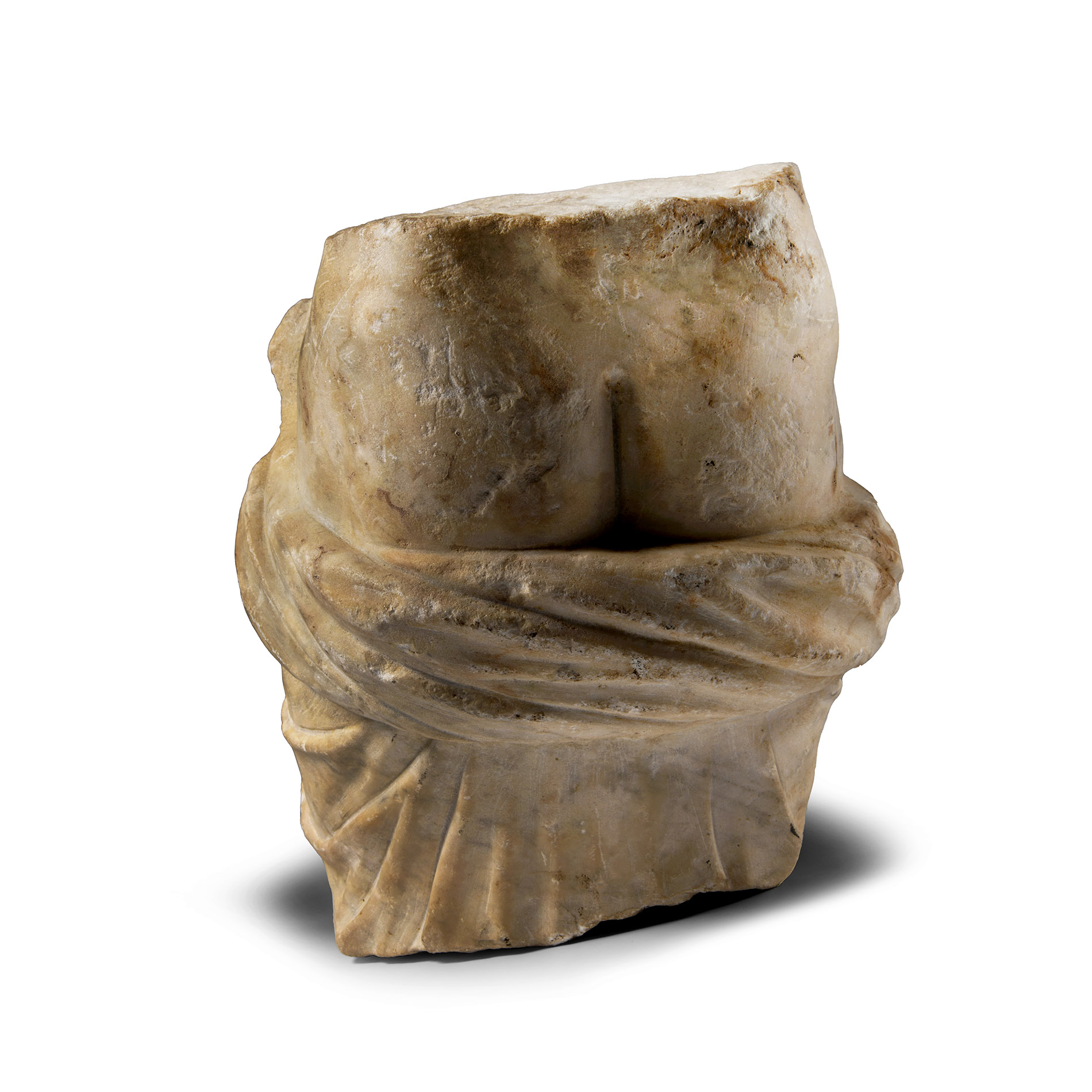
Roman Marble Fragment of Venus Rising from the Water
CIRCA 1ST CENTURY A.D.
11 1/4 in. (11.5 kg, 28.5 cm).
Statue fragment comprising the hips, buttocks and draped stola with a scallop-shell at the waist.
ProvenanceEx Paris collection.
French gallery, Paris, 1990-2000s.
This lot has been checked against the Interpol Database of stolen works of art and is accompanied by search certificate no.11956-20935.
TimeLine Auctions follows a vetting process to ensure the authenticity and legality of all items, reinforcing our commitment to integrity and responsible trading. Each antiquity, antique, and coin lot undergoes thorough examination by a vetting committee of at least ten external specialists, professional trade association members, scientists, and archaeologists: Our Vetting Process
AUCTIONS:
TimeLine is a leading auction house specialising in antiquities, ancient art, collectables, natural history, coins, medals, and books. Our auctions offer museums, collectors, historians, and enthusiasts the opportunity to acquire unique and historically significant pieces.
-
Roman Terracotta Wine Flagon
Circa 1st-2nd century A.D.Sold for (Inc. bp): £117
With globular body and basal ring, tall columnar neck with biconical collar, single strap handle to the rear. 305 grams, 15 cm
From the collection of a High Wycombe, Buckinghamshire, UK, gentleman, circa 2000. -
Large Romano-British 'Published' Enamelled Bronze Head Stud Bow Brooch
Late 1st-2nd century A.D.Sold for (Inc. bp): £169
The head of the brooch with rectangular wings with concave reverse housing the spring, a separate hinged pin fitted around the axis bar, an integral rectangular bow with a circular aperture at the apex and a central column of rectangular green/blue and red enamel cells. 33.39 grams, 60 mm
Found whilst searching with a metal detector near Conistone with Kilnsey, North Yorkshire, UK, circa 2018. Accompanied by a copy of the British Museum's Portable Antiquities Scheme (PAS) report no.YORYM-366098. -
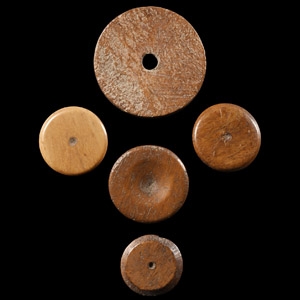
Roman 'Thames' Bone Gaming Counter Group
1st-4th century A.D.Sold for (Inc. bp): £208
Mixed group of discoid counters, two pierced. 8.15 grams total, 15-27 mm
Found Billingsgate spoil from the Thames foreshore, London, UK, circa 1984. Property of an Essex collector.
