
Loading, please wait...
LOT 0628
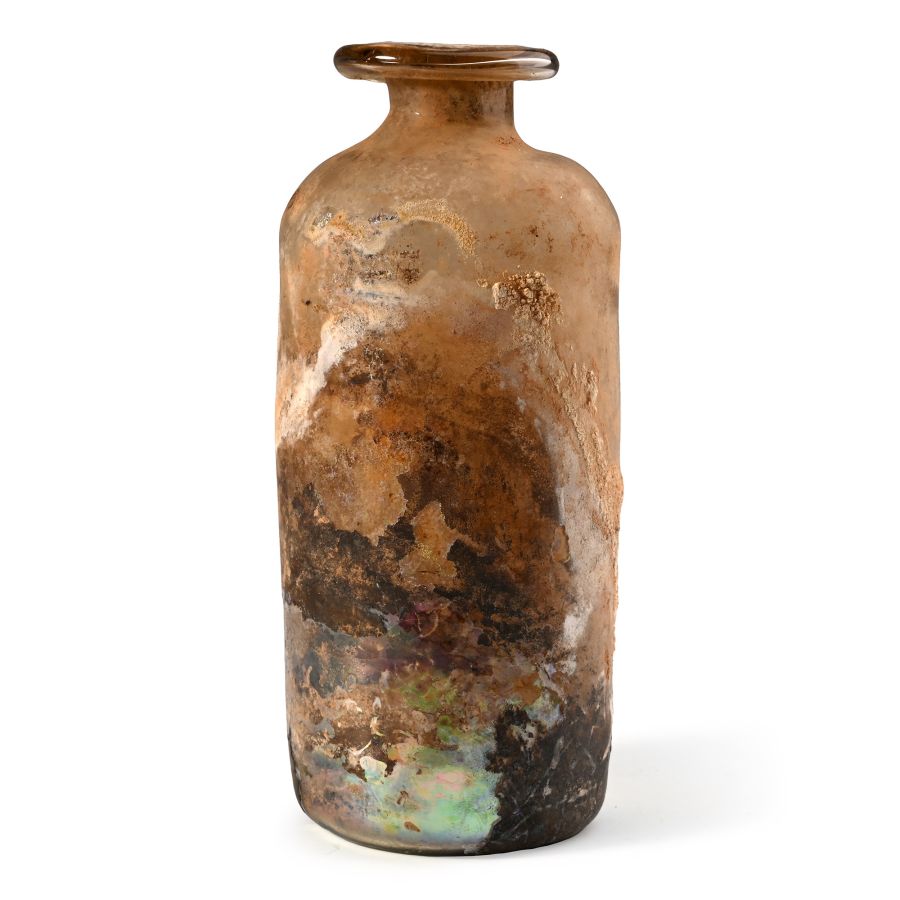
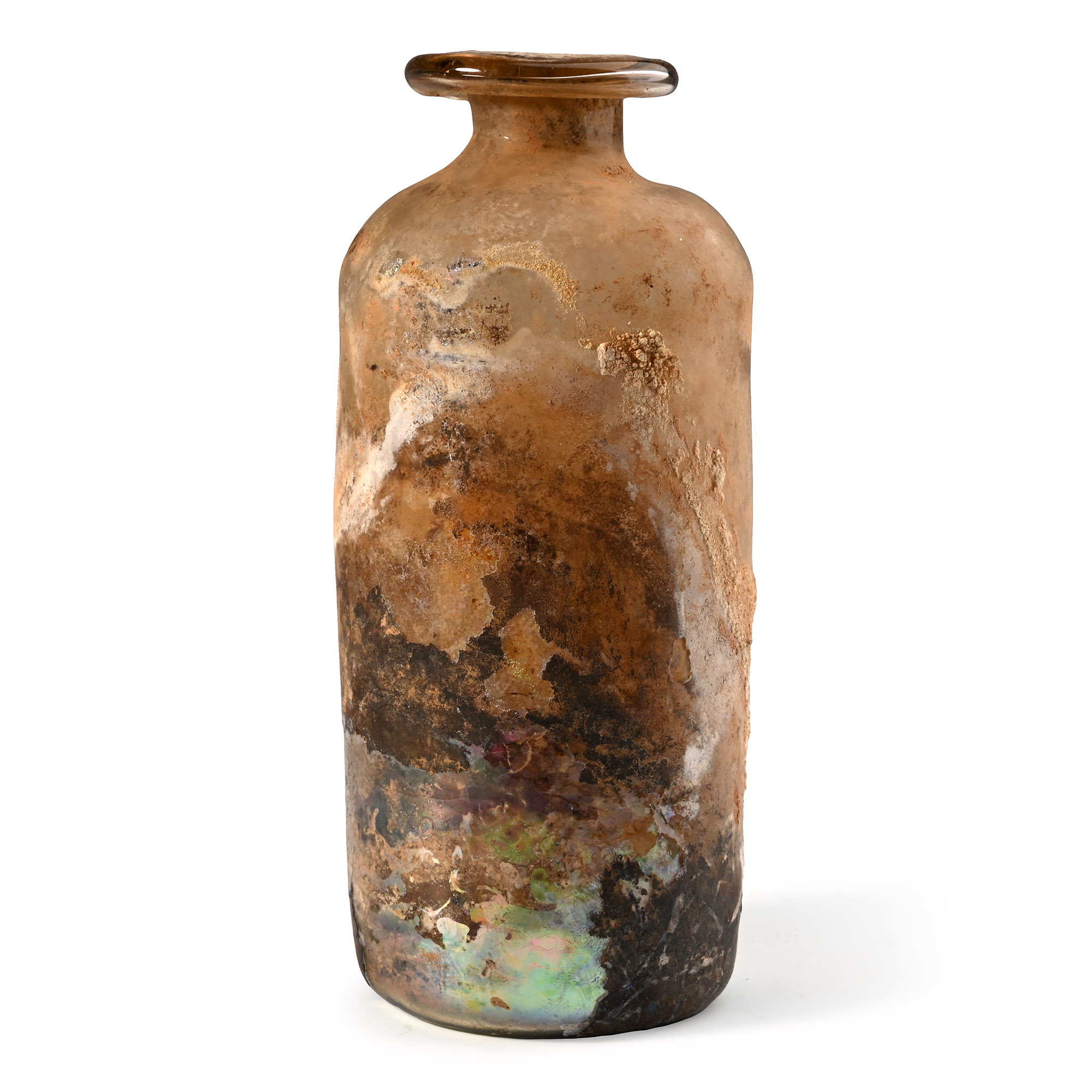
Roman Light Brown Glass Bottle
1ST CENTURY B.C.-1ST CENTURY A.D.
5 5/8 in. (69 grams, 14.4 cm).
Mould-blown, comprising a flat-based tubular body and short neck with returned flange rim.
ProvenanceFrom an important collection of glass, London, UK, 1990s.
LiteratureSee Harden, D.B. et al, Masterpieces of Glass, London, 1968, item 78, for type; Whitehouse, D., Roman Glass: The Corning Museum of Glass, volume I, New York, 1997, item 308, for similar.
CONDITIONTimeLine Auctions follows a vetting process to ensure the authenticity and legality of all items, reinforcing our commitment to integrity and responsible trading. Each antiquity, antique, and coin lot undergoes thorough examination by a vetting committee of at least ten external specialists, professional trade association members, scientists, and archaeologists: Our Vetting Process
AUCTIONS:
TimeLine is a leading auction house specialising in antiquities, ancient art, collectables, natural history, coins, medals, and books. Our auctions offer museums, collectors, historians, and enthusiasts the opportunity to acquire unique and historically significant pieces.
-
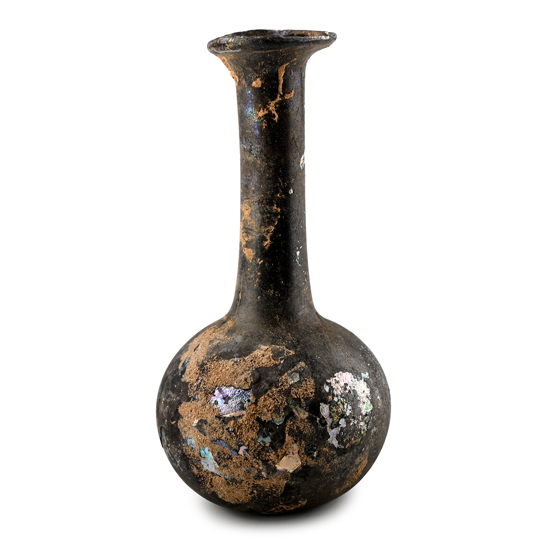
Roman Iridescent Glass Bottle
1st-2nd century A.D.Sold for (Inc. bp): £117
With bulbous body, tall tubular neck, broad everted rim to the shallow mouth; extensive iridescence. 20 grams, 97 mm
Ex London, UK, art market 1990s. -
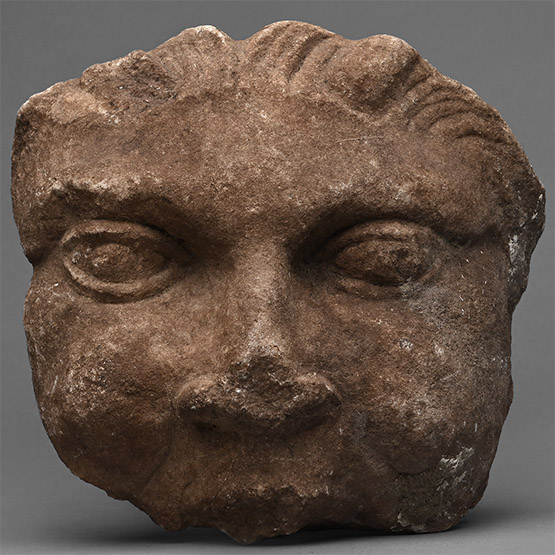
Roman Marble Face Fragment
3rd century A.D.Sold for (Inc. bp): £1,170
Plano-convex in section with exaggerated puffy cheeks and a small pursed mouth; possibly from a putto in a figural frieze. 1.21 kg, 15.5 cm
Acquired in the 1992. Private collection, Switzerland, thence by descent. Private collection, since the late 1990s. -
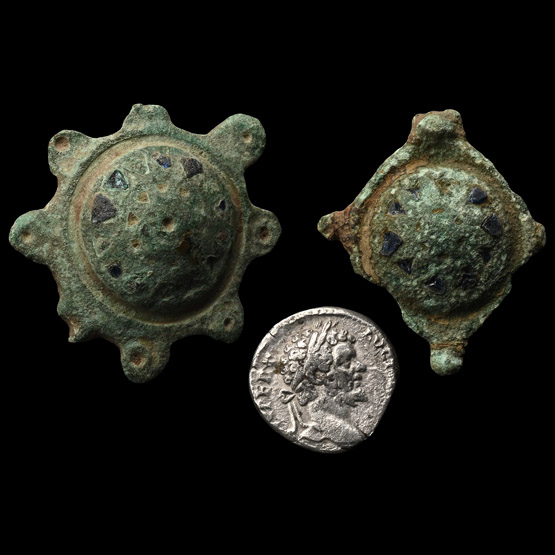
Roman Enamelled Bronze Umbonate Brooch and Silver Denarius Group
2nd-3rd century A.D.Sold for (Inc. bp): £98
Comprising: two domed umbonate brooches with radiating fretwork design to accept enamel fill; silver coin of Septimius Severus. 17.6 grams total, 17-33 mm
Found Lincolnshire, UK.
This silver denarius belongs to Septimius Severus, probably the mint of Rome, AD 198. On the obverse: [L] SEPT [SEVERVS] PER AVG [P M IMP XI,] laureate head right.
