
Loading, please wait...

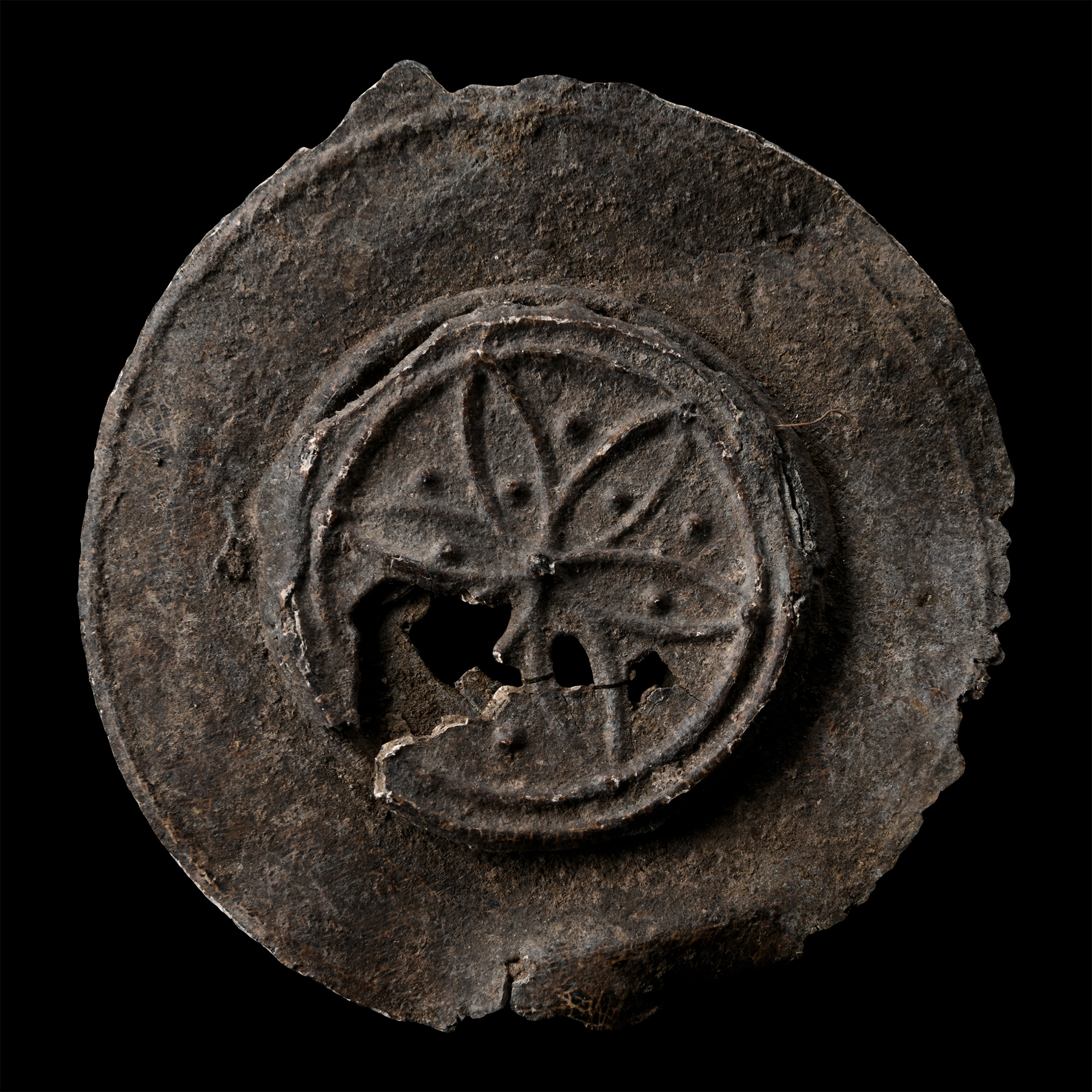
LOT 0613
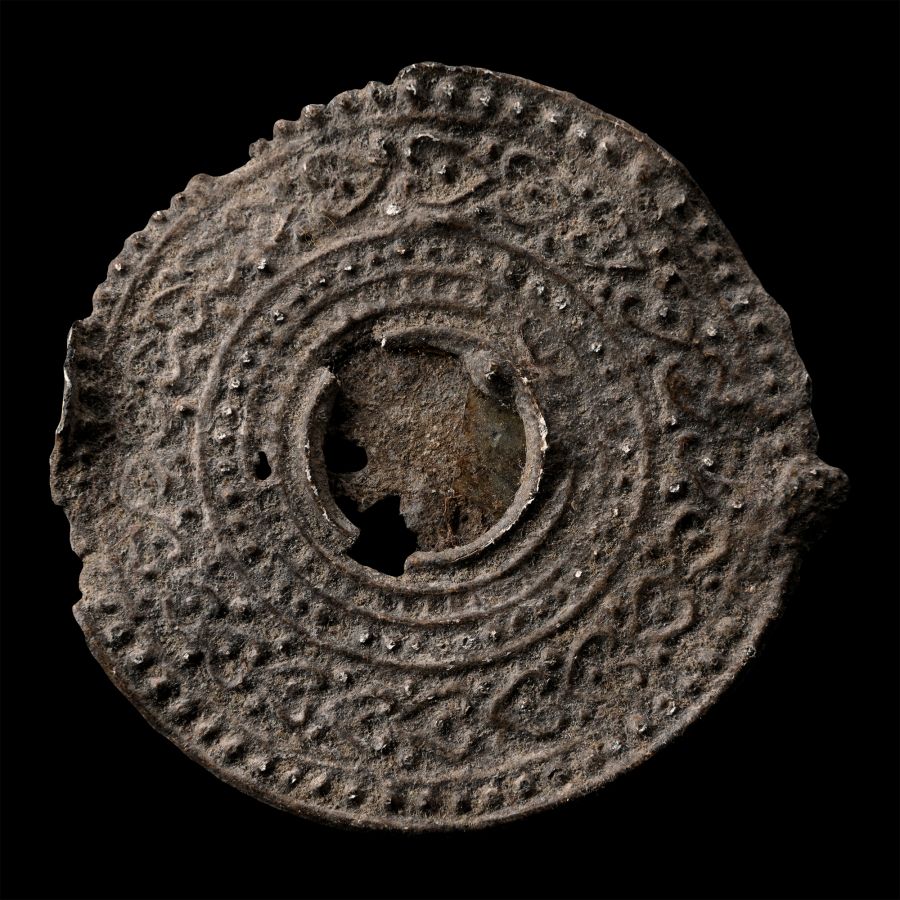
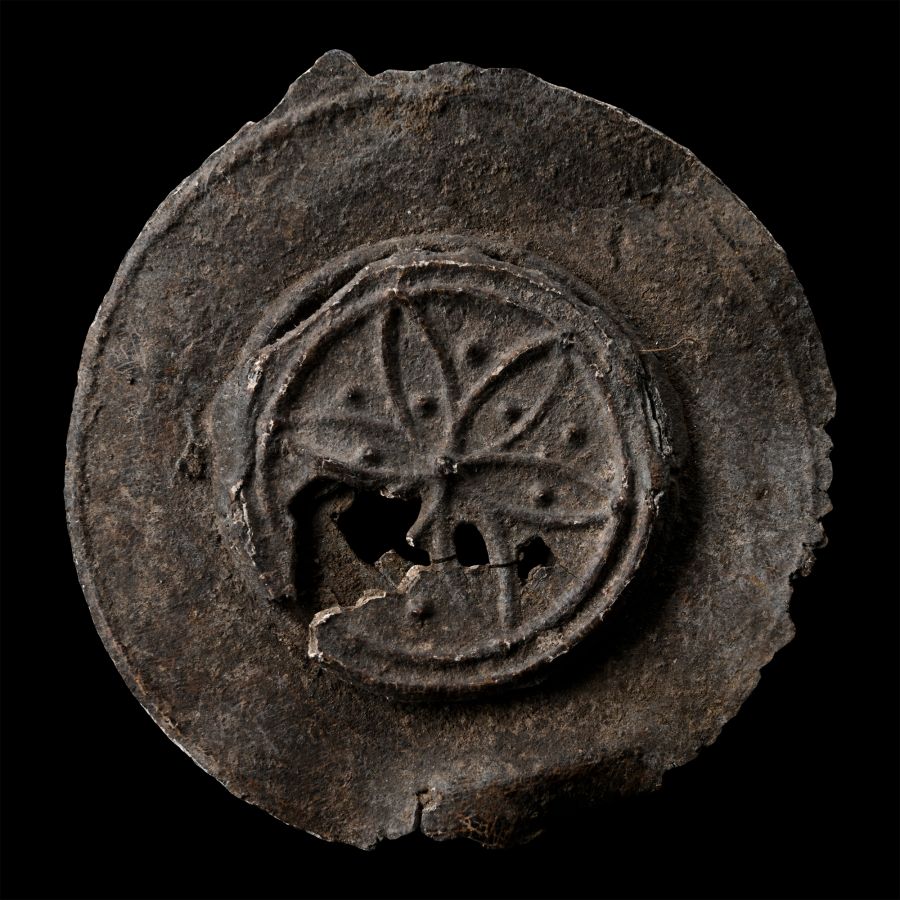
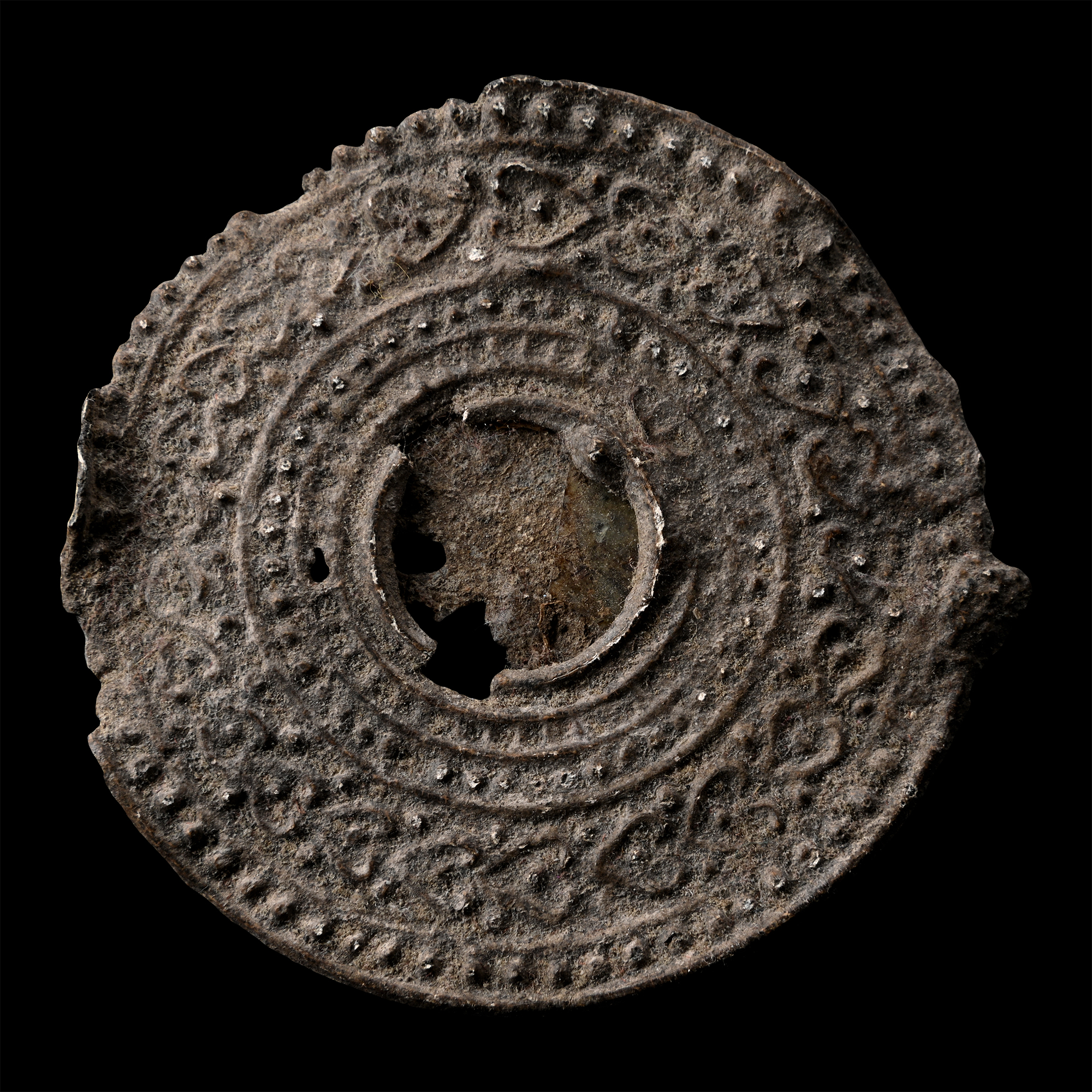
Roman Lead Votive Mirror Frame
2ND-4TH CENTURY A.D.
2 1/4 in. (30 grams, 58 mm).
Discoid in plan, the reverse with a floral motif, the obverse with concentric rings, pellets and scrolls. [No Reserve]
ProvenanceFrom the private collection of a European gentleman (1942-2024), formed since the 1970s.
CONDITIONTimeLine Auctions follows a vetting process to ensure the authenticity and legality of all items, reinforcing our commitment to integrity and responsible trading. Each antiquity, antique, and coin lot undergoes thorough examination by a vetting committee of at least ten external specialists, professional trade association members, scientists, and archaeologists: Our Vetting Process
AUCTIONS:
TimeLine is a leading auction house specialising in antiquities, ancient art, collectables, natural history, coins, medals, and books. Our auctions offer museums, collectors, historians, and enthusiasts the opportunity to acquire unique and historically significant pieces.
-
.jpg)
Roman Banded Agate Gemstone with Silenus
2nd-3rd century A.D.Sold for (Inc. bp): £143
With intaglio head of Silenus in profile; supplied with a museum-quality impression. 0.30 grams, 9.87 mm
From the private collection of a European gentleman (1942-2024), formed since the 1970s. -
.jpg)
Roman Agate Gemstone with Female Bust
2nd-3rd century A.D.Sold for (Inc. bp): £98
With intaglio profile female bust, hair drawn up in a chignon; supplied with a museum-quality impression. 1.23 grams, 1.37 mm
From the private collection of a European gentleman (1942-2024), formed since the 1970s. -
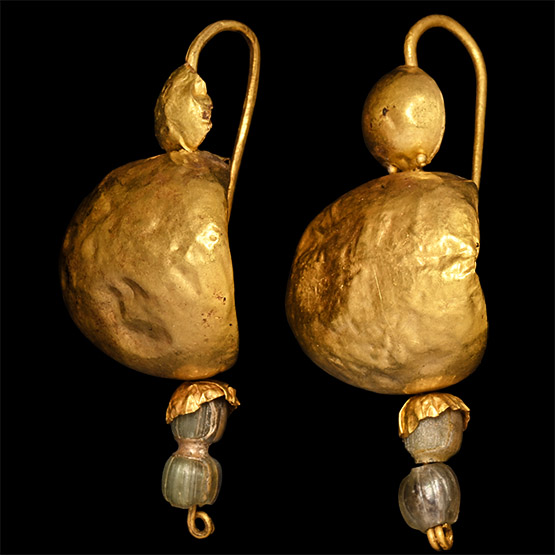
Roman Gold Beetle Type Earrings
1st-2nd century A.D.Sold for (Inc. bp): £1,170
Matched pair, each a hooked pin with a large hollow-formed domed panel and a smaller one above, dangle beneath with two iridescent glass beads. 4.48 grams total, 40 mm each
Private collection, USA and Switzerland, acquired in the late 1980s-early 1990s; thence by descent.
The pair of gold earrings is in the form of a very broad "boat-shaped" crescent. The back was often filled in with a concave plate of gold, and a lenticular disc above masked the junction of the S-shaped wire hook with the body of the earring. They are typical of the 1st -2nd century A.D.
