
Loading, please wait...
LOT 0888
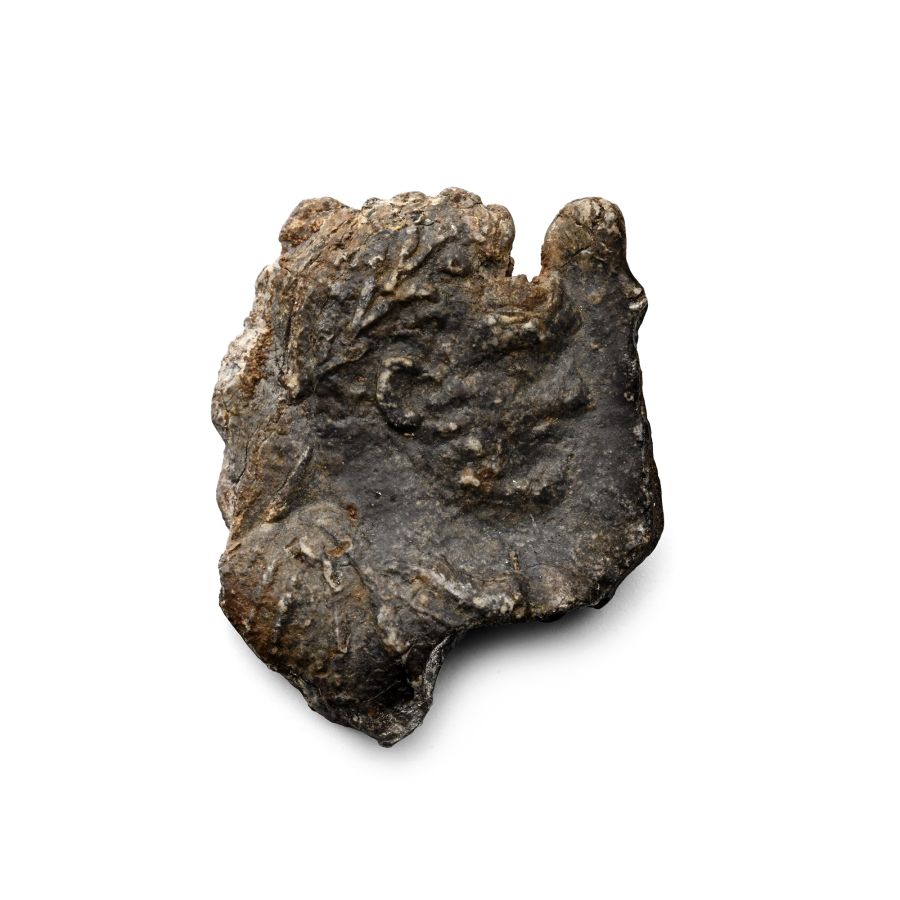
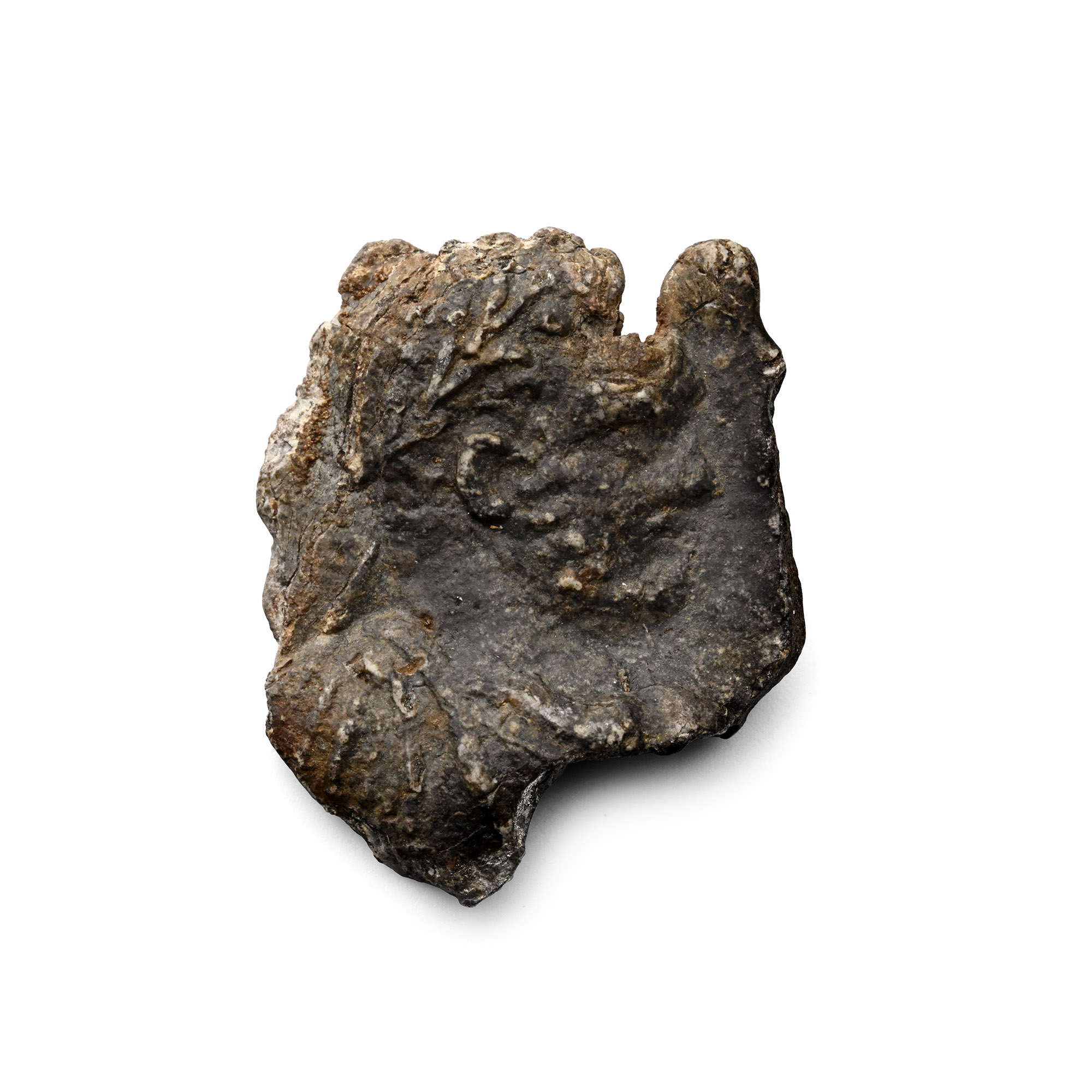
Roman Lead Tag with Bust of Caracalla
EARLY 3RD CENTURY A.D.
1 in. (5.25 grams, 24 mm).
Irregular seal with low-relief profile bust to obverse, impressed textile pattern to reverse. [No Reserve]
ProvenanceFrom the collection of a gentleman, acquired on the London art market in the 1990s.
This lot is accompanied by an illustrated lot declaration signed by the Head of the Antiquities Department, Dr Raffaele D'Amato.
TimeLine Auctions follows a vetting process to ensure the authenticity and legality of all items, reinforcing our commitment to integrity and responsible trading. Each antiquity, antique, and coin lot undergoes thorough examination by a vetting committee of at least ten external specialists, professional trade association members, scientists, and archaeologists: Our Vetting Process
AUCTIONS:
TimeLine is a leading auction house specialising in antiquities, ancient art, collectables, natural history, coins, medals, and books. Our auctions offer museums, collectors, historians, and enthusiasts the opportunity to acquire unique and historically significant pieces.
-
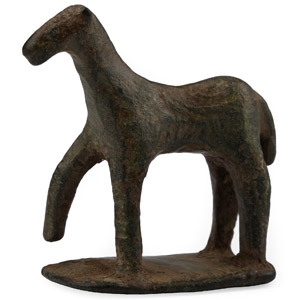
Roman Bronze Horse Statuette
1st-4th century A.D.Sold for (Inc. bp): £130
Standing on a rectangular base with its right front leg raised, small ears and slit mouth. 36.1 grams, 1 5/8 in.40 mm
Ex German art market, 2000s. Acquired from an EU collector living in London. From the collection of a Surrey, UK, gentleman. This lot is accompanied by an illustrated lot declaration signed by the Head of the Antiquities Department, Dr Raffaele D'Amato. -
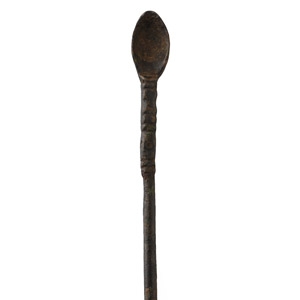
Roman Bronze Medical Spoon
1st-4th century A.D.Sold for (Inc. bp): £59
Cosmetic or medical cochlearium with narrow shallow bowl and spike handle. 11.9 grams, 16.1 cm
Acquired on the UK art market during the late 20th century. From the private collection of David King (1940-2024), Hoddesdon, Hertfordshire, UK. This lot is accompanied by an illustrated lot declaration signed by the Head of the Antiquities Department, Dr Raffaele D'Amato. -
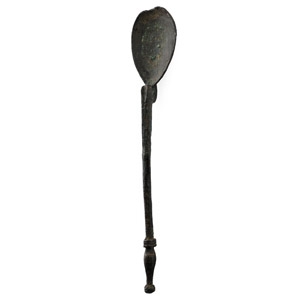
Roman Bronze Swan-Necked Spoon
1st-4th century A.D.Sold for (Inc. bp): £85
Shallow piriform bowl attached to a stepped baluster, hexagonal-section handle with baluster finial. 14.7 grams, 12.1 cm
Acquired on the UK art market during the late 20th century. From the private collection of David King (1940-2024), Hoddesdon, Hertfordshire, UK. This lot is accompanied by an illustrated lot declaration signed by the Head of the Antiquities Department, Dr Raffaele D'Amato.
