
Loading, please wait...
LOT 1881
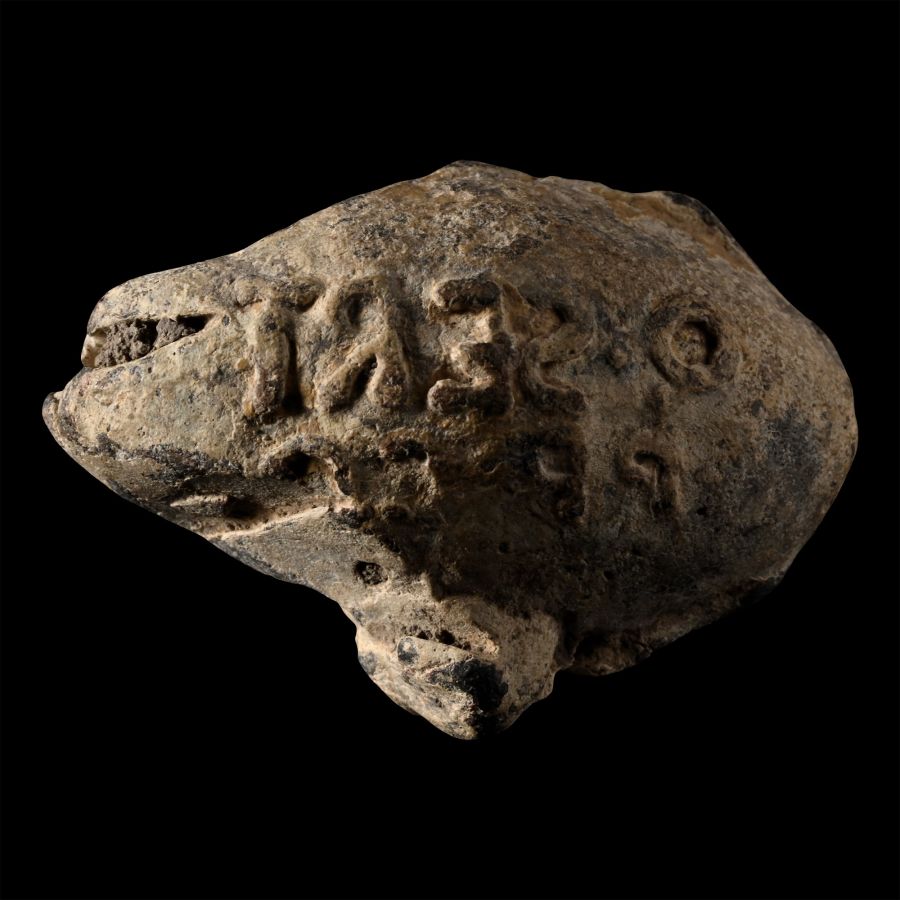
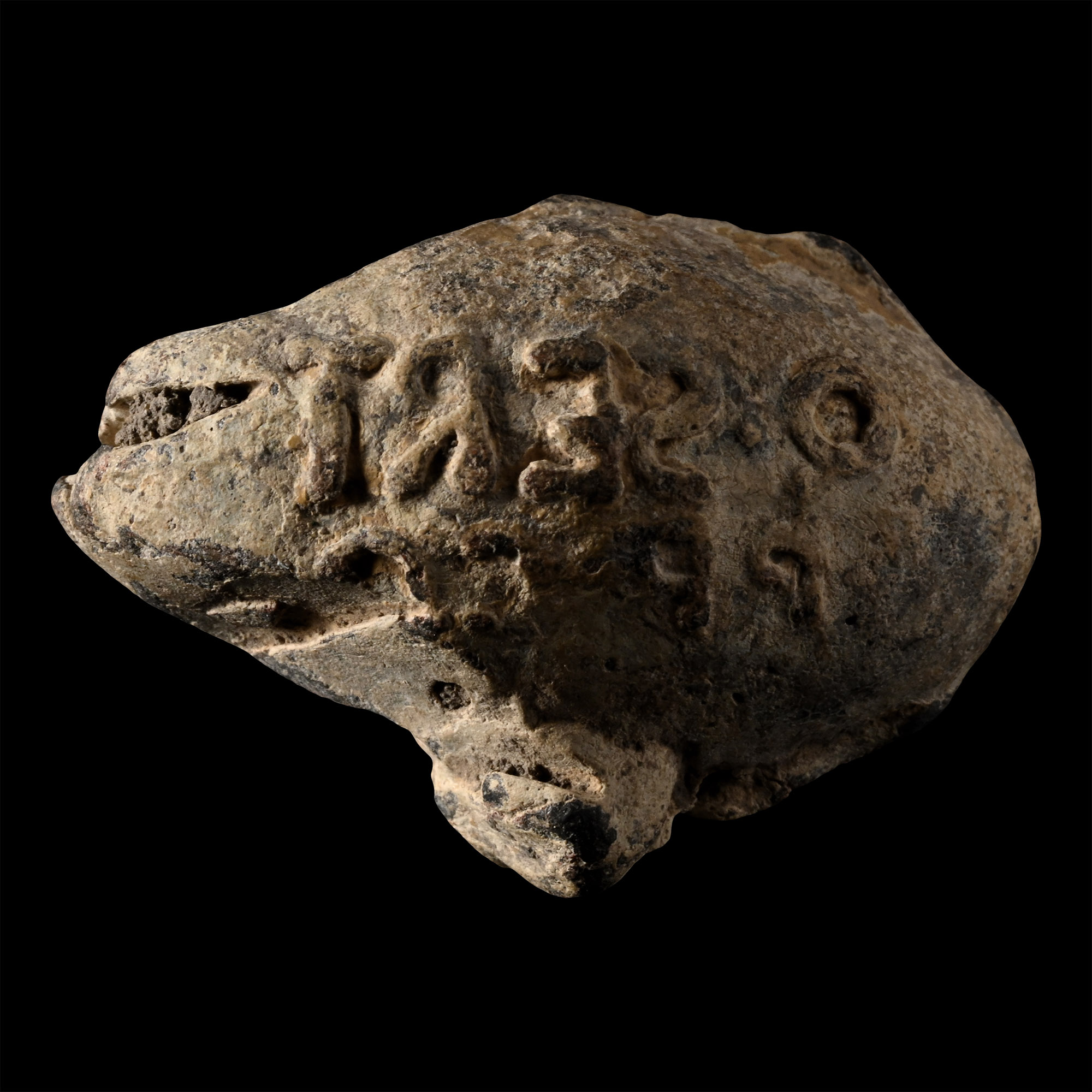
Roman Lead Slingshot of Quintus Sertorius
SERTORIAN WARS, 82-72 B.C.
1 1/4 in. (57.2 grams, 33 mm).
Lentoid in form with raised legend to reverse: 'Q.SERT / PPOR C'; casting flange to rim. [No Reserve]
ProvenanceAcquired on the UK art market, early 2000s.
Property of a London, UK, antiquarian.
Cf. J.G. González, Quintus Sertorius Pro Consule: Connotaciones de la Magistradura Proconsular afirmada en las glandes inscriptae Sertorianae. / Quintus Sertorius Pro Consule: Connotations of the Proconsular Magistracy asserted in the Glandes Incriptae Sertorianae, in Anas 25-26, 2012/2013, pp. 189-206.
FootnotesThe inscription refers to Quintus Sertorius, the Roman statesman and general (123-72 BC).
CONDITIONTimeLine Auctions follows a vetting process to ensure the authenticity and legality of all items, reinforcing our commitment to integrity and responsible trading. Each antiquity, antique, and coin lot undergoes thorough examination by a vetting committee of at least ten external specialists, professional trade association members, scientists, and archaeologists: Our Vetting Process
AUCTIONS:
TimeLine is a leading auction house specialising in antiquities, ancient art, collectables, natural history, coins, medals, and books. Our auctions offer museums, collectors, historians, and enthusiasts the opportunity to acquire unique and historically significant pieces.
-
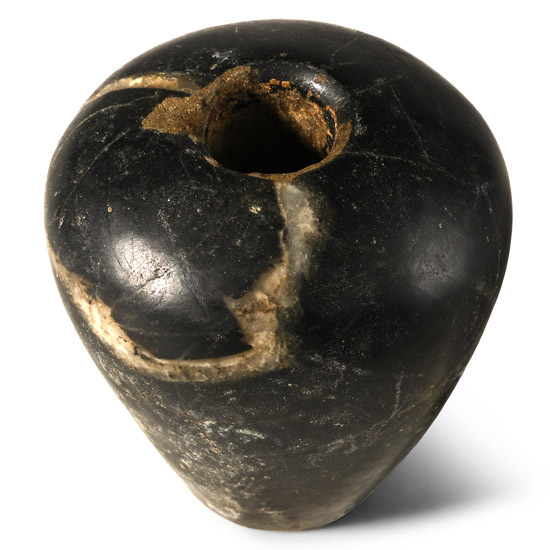
Western Asiatic Polished Stone Macehead
3rd-2nd millennium B.C.Sold for (Inc. bp): £117
Ovoid body with a round socket. 233 grams, 63 mm
From the collection of a London, UK, gentleman, 1990s. -
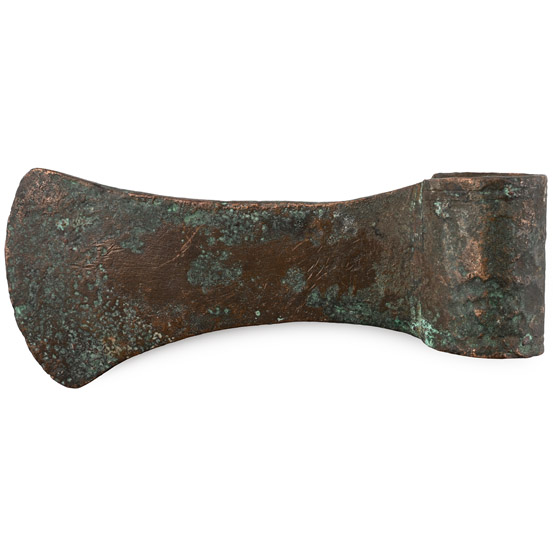
Western Asiatic Bronze Socketted Axehead
2nd-1st millennium B.C.Sold for (Inc. bp): £72
With flat blade a curved cutting edge, hammered round-section tubular socket. 112 grams, 10.8 cm
Ex Abelita family collection, 1980s-2000s. -
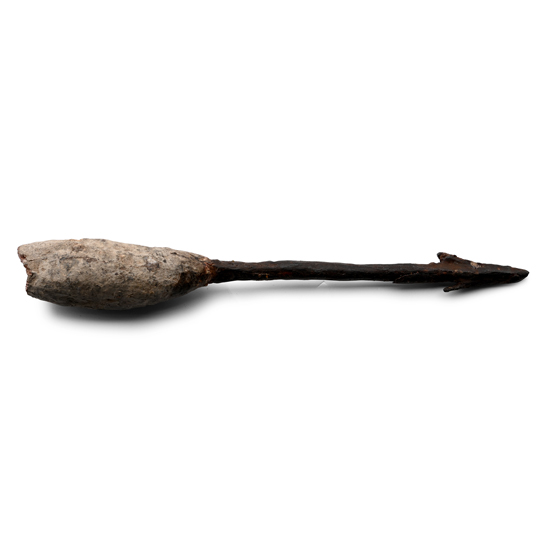
Late Roman Iron-Shafted Lead Plumbata
Circa 3rd-7th century A.D.Estimate: £300 - 400 (+bp*)
Opening Bid: £150
Comprising a barrel-shaped lead body with a round-section shaft with a barbed finial. 67.4 grams, 13 cm
Ex German art market, 2000s. Acquired from an EU collector living in London. From the collection of a Surrey, UK, gentleman.
Lead-weighted darts known as plumbatae mamillatae (or 'breasted javelin') were short darts mounted upon a shaft of the same shape, and thrown from a short distance. A Roman soldier would typically carry around 5-6 of these darts at any one time, fastened to the back of his shield. They could be thrown overhand or underhand, with an effective throwing range of up to 60 metres by trained soldiers.
