
Loading, please wait...
LOT 0938
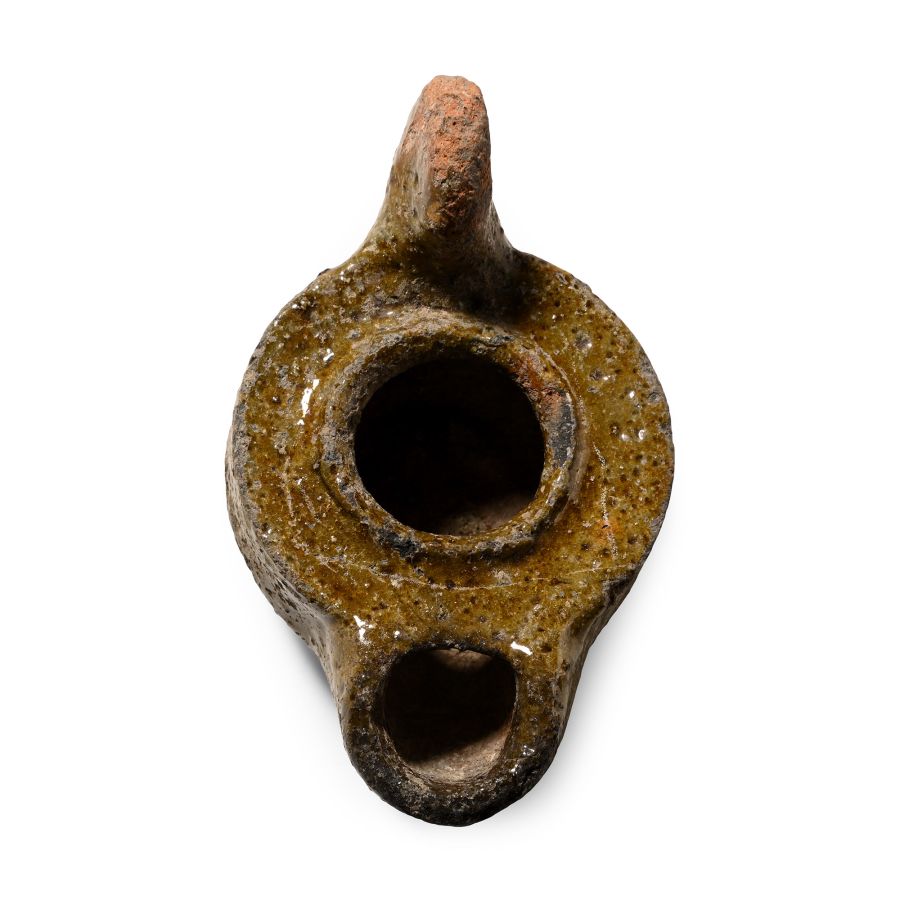
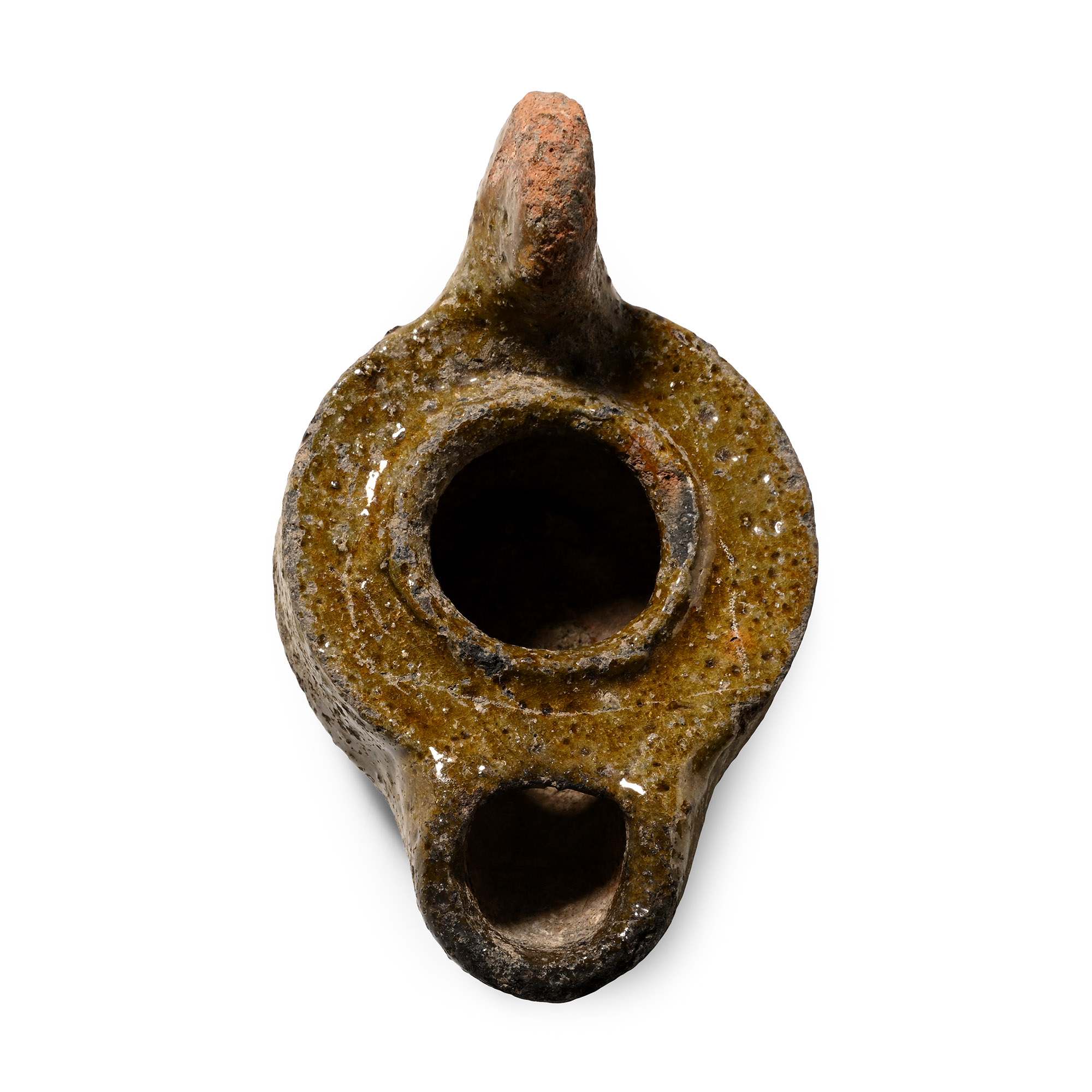
Roman Lead Glazed Oil Lamp
4TH CENTURY A.D.
3 5/8 in. (90 grams, 93 mm).
Tall circular body with squat nozzle and a lug handle to the rear, an inked collector's note '521' on the base; rare.
ProvenanceFrom an important collection of lamps, Germany, 1970s.
LiteratureCf. for similar examples Kölcze, B., ‘Late Roman Glazed Pottery from Aquincum: preliminary typological classification’ in Communicationes Archæologicæ Hungariæ, 2022, pp.129–158, fig.13.
CONDITIONTimeLine Auctions follows a vetting process to ensure the authenticity and legality of all items, reinforcing our commitment to integrity and responsible trading. Each antiquity, antique, and coin lot undergoes thorough examination by a vetting committee of at least ten external specialists, professional trade association members, scientists, and archaeologists: Our Vetting Process
AUCTIONS:
TimeLine is a leading auction house specialising in antiquities, ancient art, collectables, natural history, coins, medals, and books. Our auctions offer museums, collectors, historians, and enthusiasts the opportunity to acquire unique and historically significant pieces.
-
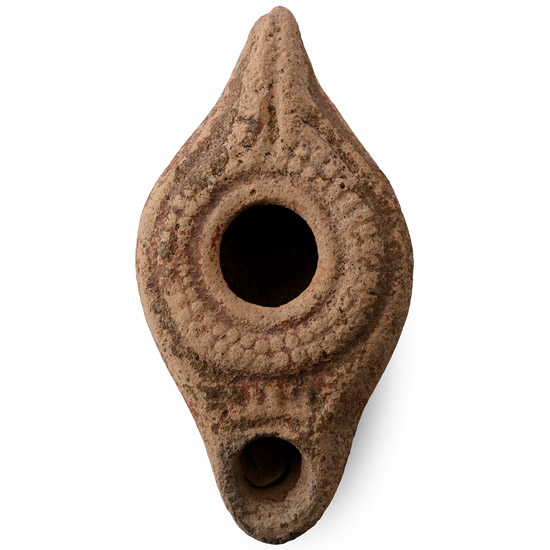
Roman Terracotta Oil Lamp
Circa 3rd century A.D.Sold for (Inc. bp): £39
Decorative band surrounding the filler hole, tapering lug handle to the rear, and the base with low-relief decoration. 60 grams, 10.5 cm
From the collection of a Cambridge, UK, gentleman, by direct descent from his father, who acquired the items in London in circa 1960. -
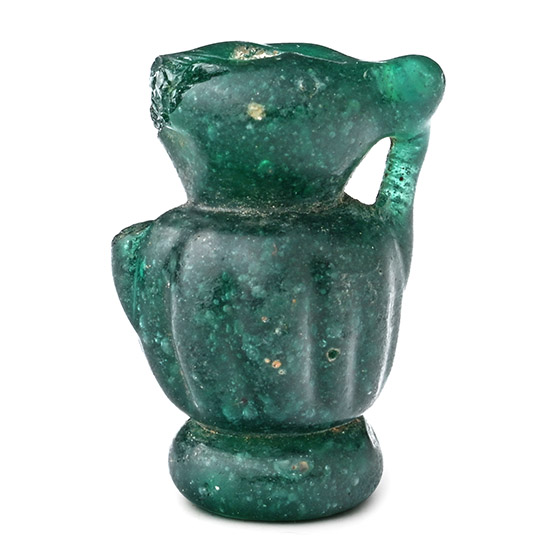
Roman Green Glass Pendant Jug with Ribbed Body
Circa 1st-4th century A.D.Sold for (Inc. bp): £33
Modelled in the round with a fluted body and flaring foot and rim, an angular handle to one side, pierced through the body for suspension. 2.13 grams, 17 mm
Ex private collection of the late Mr S.M., London, UK, 1970s-1990s. -
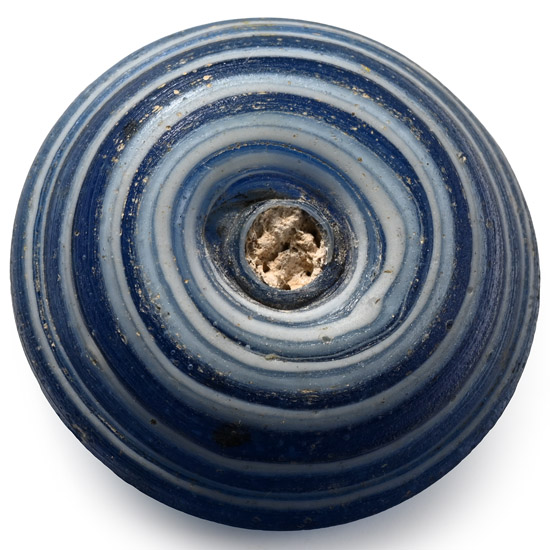
Roman Blue and White Glass Spindle Whorl
1st-4th century A.D.Sold for (Inc. bp): £143
Plano-convex type with central recess in upper face; coiled construction. 7.12 grams, 25 mm
From the private collection of Mr Brian Edwards, New Malden, Surrey, UK, formed from the late 1970s-early 1980s; thence by descent. Accompanied by the original collector's data sheet(s) with reference no.A46.
