
Loading, please wait...
LOT 0580
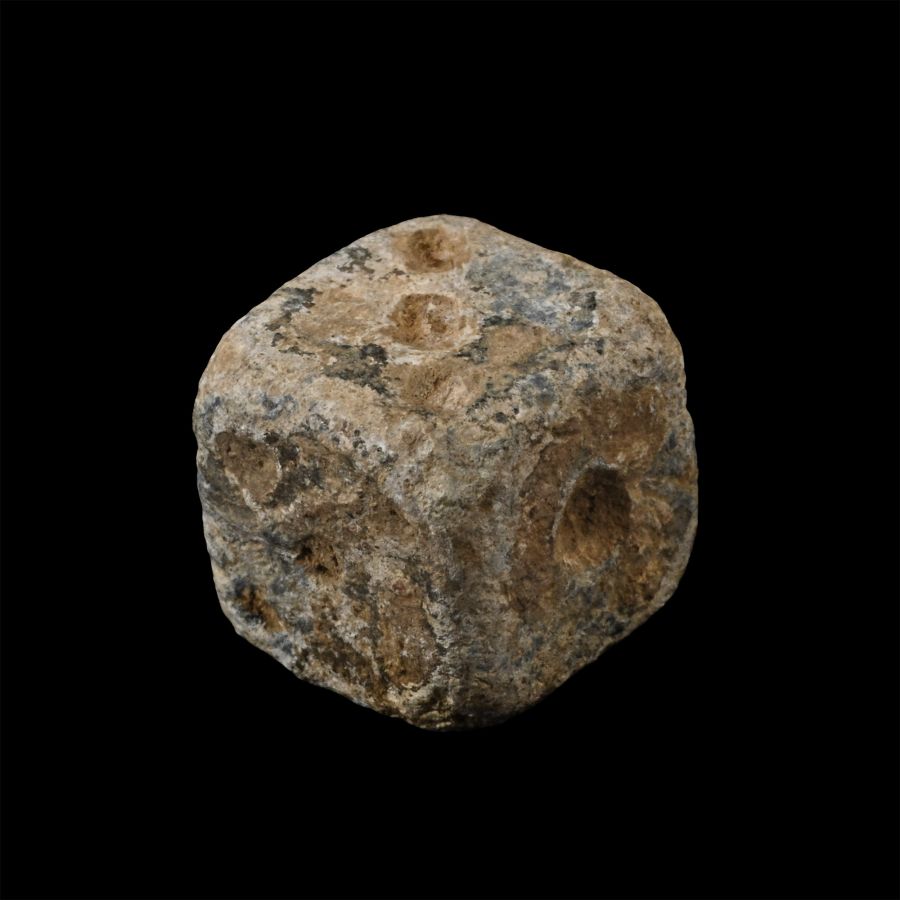
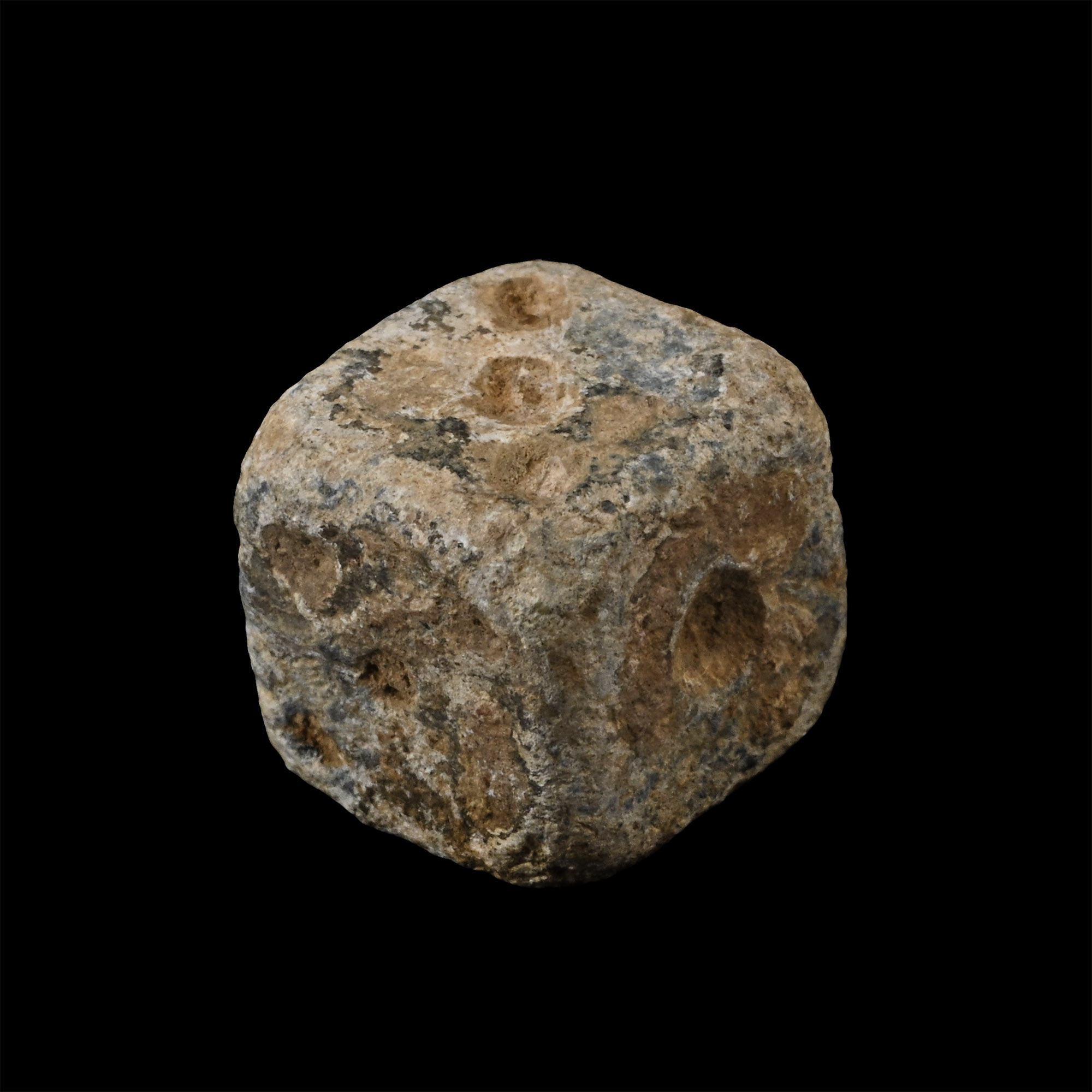
Roman Lead Gaming Die
CIRCA 1ST-4TH CENTURY A.D.
3/8 in. (8 grams, 10 mm).
Cuboid dice with impressed markings disposed 1:6, 4:3, 2:5. [No Reserve]
ProvenanceEx gentleman collector of antique and antiquity games from Berkshire, UK, having collected for over 20 years.
CONDITIONTimeLine Auctions follows a vetting process to ensure the authenticity and legality of all items, reinforcing our commitment to integrity and responsible trading. Each antiquity, antique, and coin lot undergoes thorough examination by a vetting committee of at least ten external specialists, professional trade association members, scientists, and archaeologists: Our Vetting Process
AUCTIONS:
TimeLine is a leading auction house specialising in antiquities, ancient art, collectables, natural history, coins, medals, and books. Our auctions offer museums, collectors, historians, and enthusiasts the opportunity to acquire unique and historically significant pieces.
-
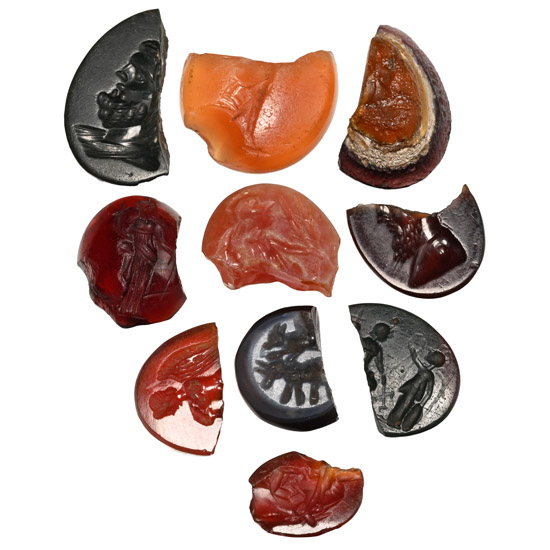
Roman Gemstone Group
2nd-3rd century A.D.Sold for (Inc. bp): £234
Including Fortuna with a cornucopia, gryllus, running horses and other types; each supplied with a museum-quality impression. 5.11 grams total, 10-16 mm
From the private collection of a European gentleman (1942-2024), formed since the 1970s. -
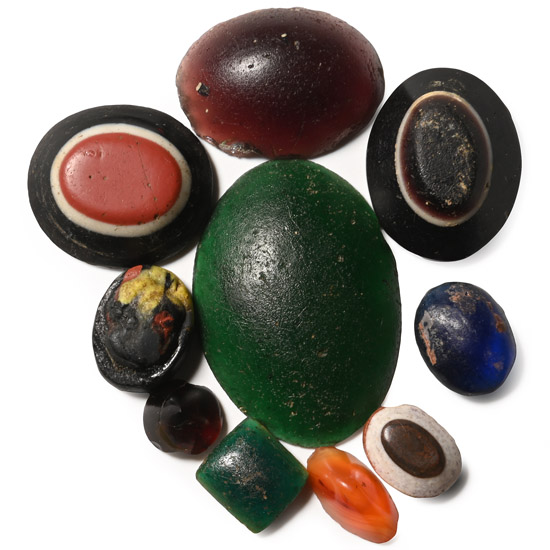
Roman Glass and Stone Gem Collection
1st-4th century A.D.Sold for (Inc. bp): £130
Comprising: two banded agate gems, one in glass imitating banded agate, two glass carbuncles, and others. 12 grams total, 7-28 mm
From the private collection of a European gentleman (1942-2024), formed since the 1970s. -
.jpg)
Roman Bronze Head of an Emperor
2nd century A.D.Sold for (Inc. bp): £1,170
Hollow-formed with long neck, abundant thick hair and beard, broad mouth; probably intended to represent an emperor. 440 grams, 10 cm
Acquired by a Swiss family in the mid-1980s to late 1990s, thence by descent. Private collection, Switzerland, since the late 1990s.
The portrait seems to be a provincial bronze representing Hadrian, apparently aged around 30, recognisable from his incipient beard, moustache and distinctive physiognomy. However, the portrait is in an extremely provincial style, exemplified by the wide spacing of the eyes. The beard is lightly incised, and the highly stylised curls around the front of the head give way to simple incised locks on the back.
