
Loading, please wait...
LOT 0611
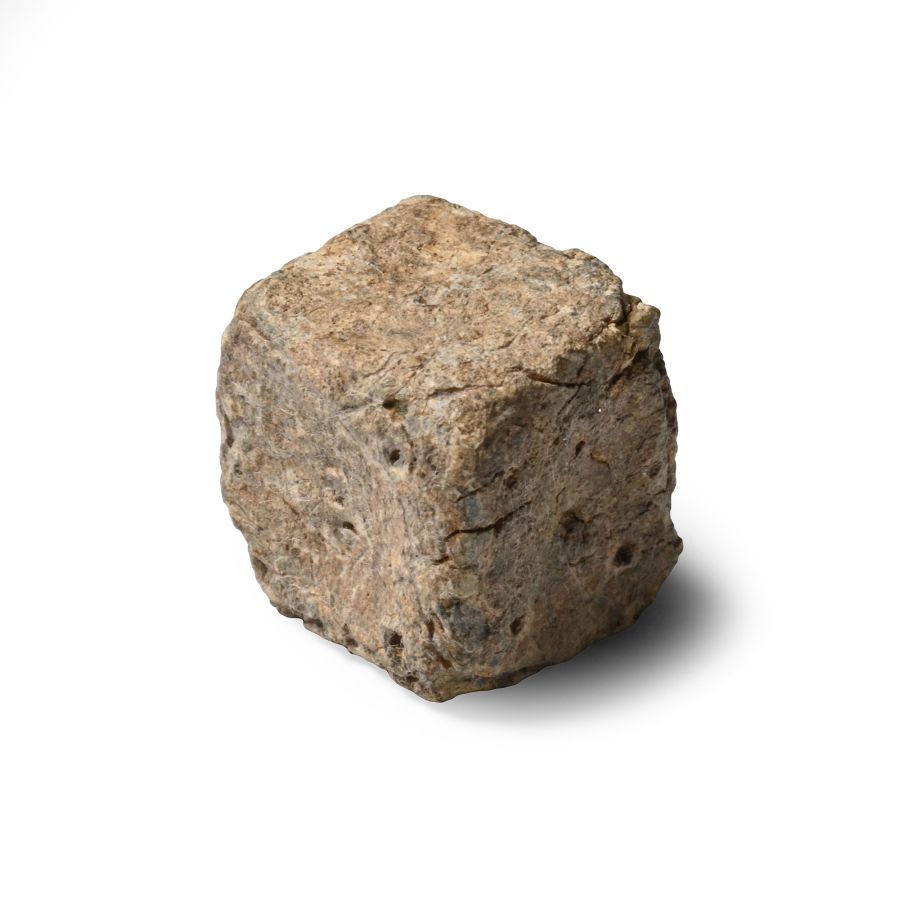
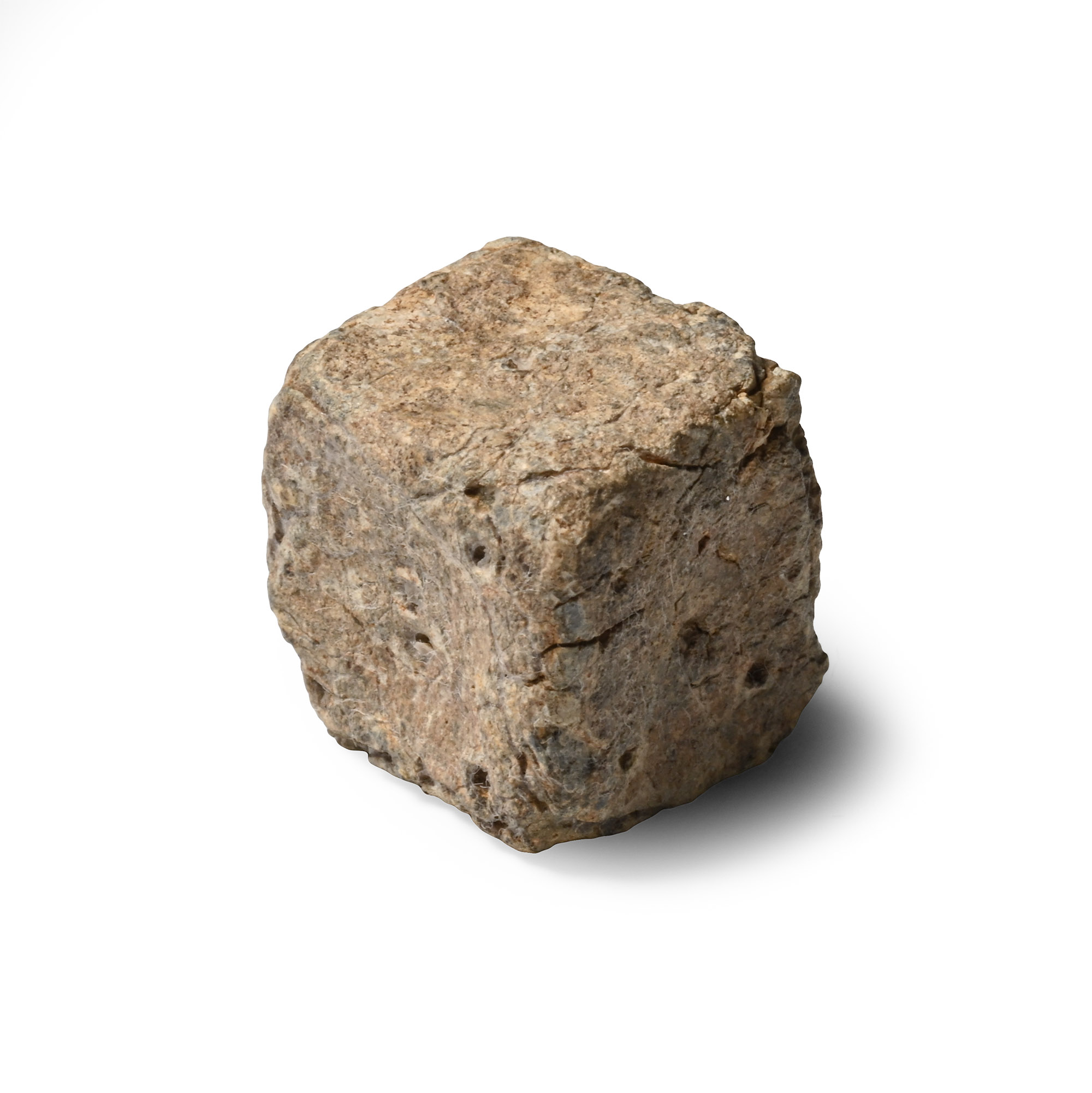
Roman Lead Gaming Die
CIRCA 1ST-4TH CENTURY A.D.
1/2 in. (21.14 grams, 14.4 mm).
Cuboid with slightly concave surfaces showing some pellet markings, collector's number sticker '178' to one side. [No Reserve]
ProvenanceFrom the Colin Narbeth collection, 1990s, collection no.178.
CONDITIONTimeLine Auctions follows a vetting process to ensure the authenticity and legality of all items, reinforcing our commitment to integrity and responsible trading. Each antiquity, antique, and coin lot undergoes thorough examination by a vetting committee of at least ten external specialists, professional trade association members, scientists, and archaeologists: Our Vetting Process
AUCTIONS:
TimeLine is a leading auction house specialising in antiquities, ancient art, collectables, natural history, coins, medals, and books. Our auctions offer museums, collectors, historians, and enthusiasts the opportunity to acquire unique and historically significant pieces.
-
.jpg)
Roman Carnelian Gemstone with Victory
2nd-3rd century A.D.Sold for (Inc. bp): £72
With intaglio Victory standing with shield and wreath; supplied with a museum-quality impression. 0.34 grams, 10.16 mm
From the private collection of a European gentleman (1942-2024), formed since the 1970s. -
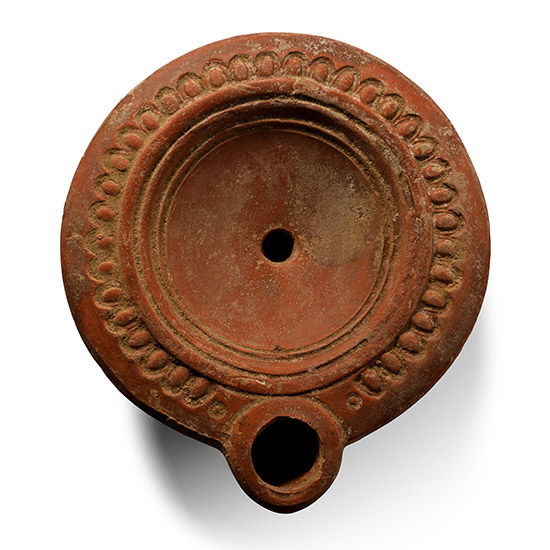
Roman Terracotta Oil Lamp
Cyprus, circa 2nd century A.D.Sold for (Inc. bp): £221
Round body with plain discus with pelletted border, label on the base '2nd c. AD M10'. 45.1 grams, 86 mm
Private collection, Oxfordshire, UK, by direct descent from the collection of Judge George Cyril Griffith-Williams (1893-1983), Supreme Court Judge of the Colony of Cyprus; items having been collected in the 1930s and 1940s in Cyprus during his tenure there. -
.jpg)
Roman Agate Gemstone with Female Bust
2nd-3rd century A.D.Sold for (Inc. bp): £78
With intaglio profile female bust; supplied with a museum-quality impression. 0.61 grams, 11.38 mm
From the private collection of a European gentleman (1942-2024), formed since the 1970s.
