
Loading, please wait...
LOT 0711
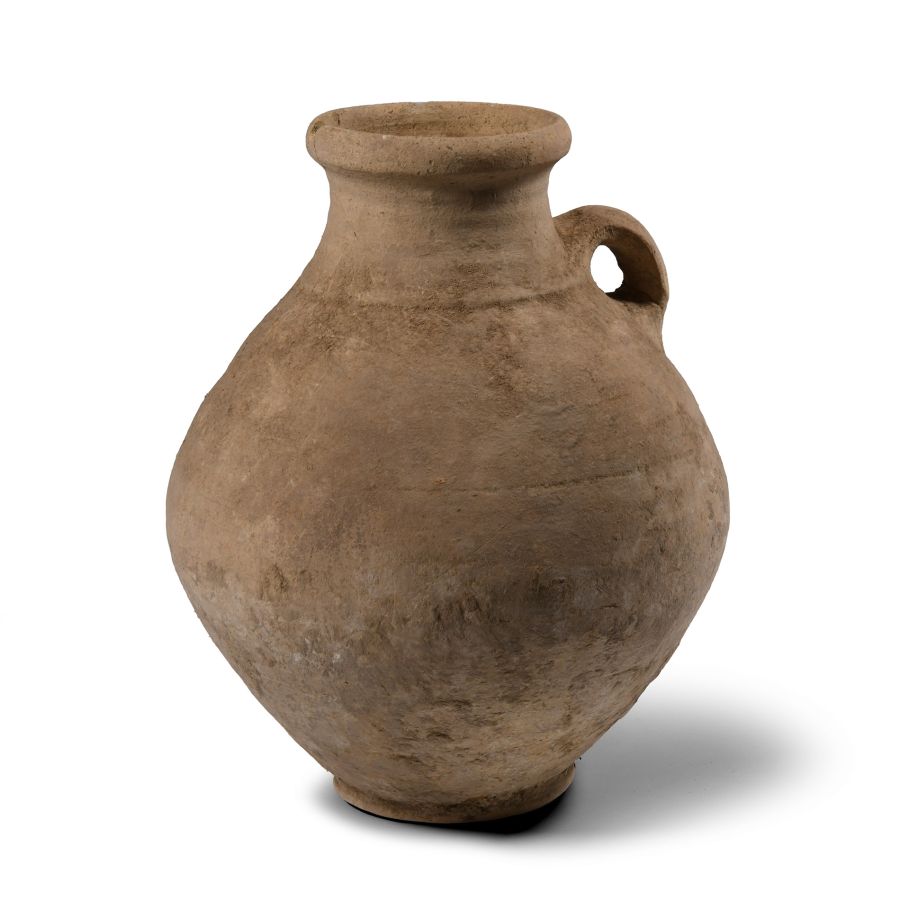
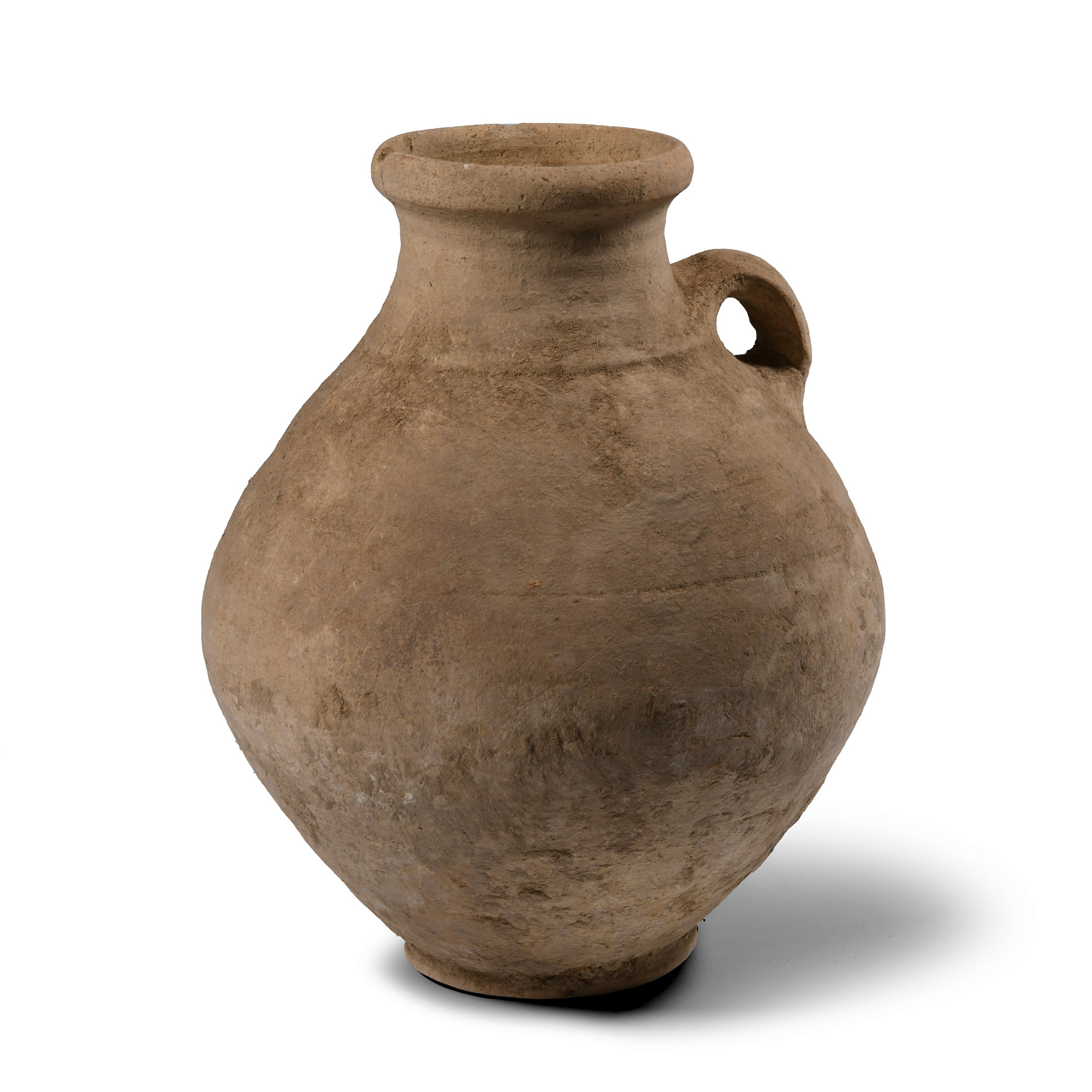
Roman Large Terracotta Jar
1ST-4TH CENTURY A.D.
11 3/4 in. (2.58 kg, 30 cm high).
With basal ring, piriform body, broad mouth with applied rim, single loop handle to the shoulder.
ProvenanceAcquired 1980-2015.
Ex Abelita family collection.
TimeLine Auctions follows a vetting process to ensure the authenticity and legality of all items, reinforcing our commitment to integrity and responsible trading. Each antiquity, antique, and coin lot undergoes thorough examination by a vetting committee of at least ten external specialists, professional trade association members, scientists, and archaeologists: Our Vetting Process
AUCTIONS:
TimeLine is a leading auction house specialising in antiquities, ancient art, collectables, natural history, coins, medals, and books. Our auctions offer museums, collectors, historians, and enthusiasts the opportunity to acquire unique and historically significant pieces.
-
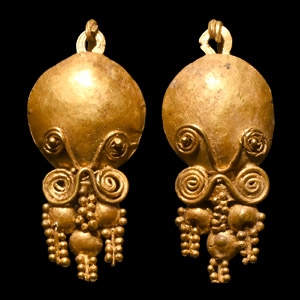
Roman Gold Earrings with Bosses
Circa 1st-2nd century A.D.Estimate: £1,200 - 1,700 (+bp*)
Opening Bid: £625
Matched pair of gold earrings, each adomed shield with substantial hoop to the reverse, hook-and-eye closure, applied filigree ram's head scrolls above a cluster of hollow balls with vertical granule clusters. 6.58 grams total, 34 mm each
From a collection of a London lady, acquired annually during 1990s-2000s. -

Roman Green Glass Bead Collection
Late 1st millennium B.C. and laterSold for (Inc. bp): £169
Comprising thirty lampworked green glass rounded and collared beads. 94 grams total, 11-23 mm
UK gallery, early 2000s. -
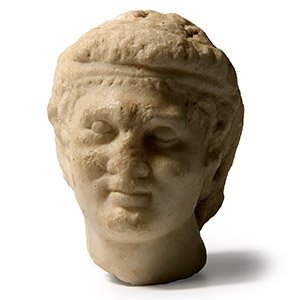
Roman Marble Head of a Satyr
1st-3rd century A.D.Sold for (Inc. bp): £3,380
Of Praxitelic type with fillet to the brow, tousled hair and rounded facial features with stern expression. 519 grams, 88 mm
Acquired early 1990s. Ex private American collection; thence by descent. Private Swiss collection since 1998. This lot has been checked against the Interpol Database of stolen works of art and is accompanied by search certificate no.11632-199025.
The head appears to be a copy of the Praxitelian type known as 'the Pouring Satyr'. The head, realised with sensitivity, but technically and stylistically academic, could be dated to the first half of the 2nd century A.D.
