
Loading, please wait...
LOT 0618
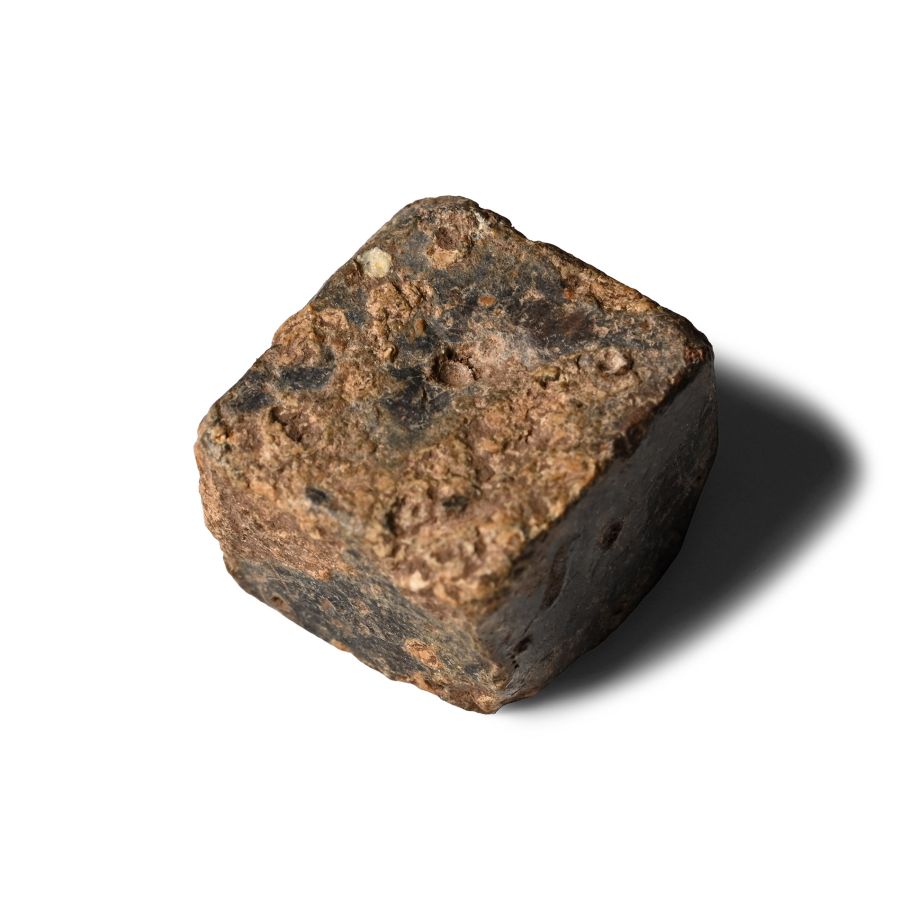
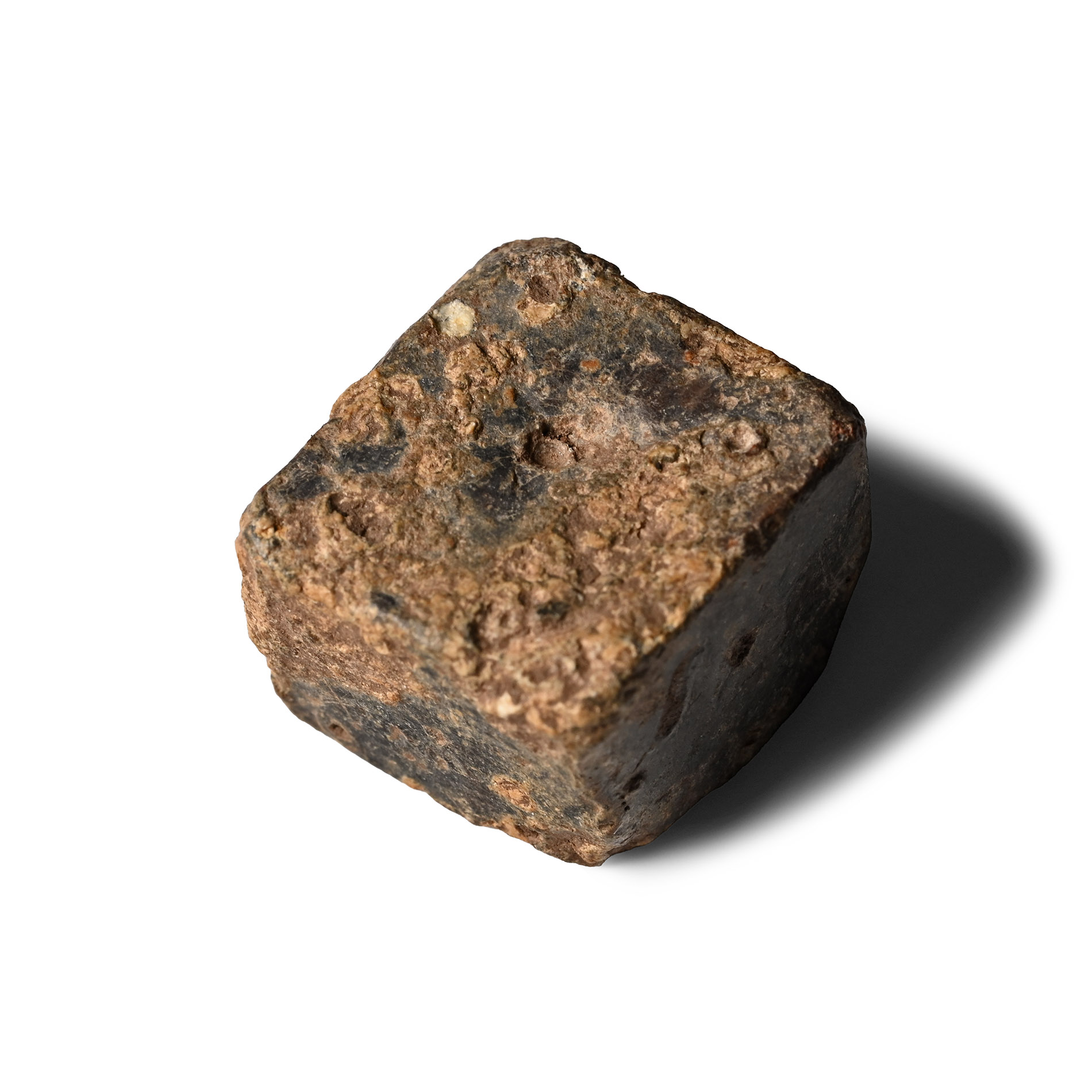
Roman 'Kidderminster' Lead Dice
1ST-2ND CENTURY A.D.
5/8 in. (30.5 grams, 17 mm).
Roughly cuboid in form with rounded edges and some mineral accretion; punched-point markings disposed 1:2, 3:4, 5:6; with dealer's tickets. [No Reserve]
ProvenanceFound Kidderminster, Worcestershire, UK, by Mrs Bate.
From the private collection of Colin Narbeth, UK, 1990s, with collection reference no.62.
Accompanied by a small typed identification card by Colin Narbeth.
This lot is accompanied by an illustrated lot declaration signed by the Head of the Antiquities Department, Dr Raffaele D’Amato.
Cf. Beutler, F. et al., Der Adler Roms. Carnuntum und der Armee der Cäsaren, Bad-Deutsch Altenberg, 2017, item 724, for type.
CONDITIONTimeLine Auctions follows a vetting process to ensure the authenticity and legality of all items, reinforcing our commitment to integrity and responsible trading. Each antiquity, antique, and coin lot undergoes thorough examination by a vetting committee of at least ten external specialists, professional trade association members, scientists, and archaeologists: Our Vetting Process
AUCTIONS:
TimeLine is a leading auction house specialising in antiquities, ancient art, collectables, natural history, coins, medals, and books. Our auctions offer museums, collectors, historians, and enthusiasts the opportunity to acquire unique and historically significant pieces.
-
.jpg)
Roman Piriform Glass Flask
1st century A.D.Estimate: £100 - 140 (+bp*)
Opening Bid: £50
An iridescent glass unguentarium with piriform body, tubular neck with everted rolled rim. 6.65 grams, 69 mm
Acquired 1980-2015. Ex Abelita family collection. This lot is accompanied by an illustrated lot declaration signed by the Head of the Antiquities Department, Dr Raffaele D’Amato. -
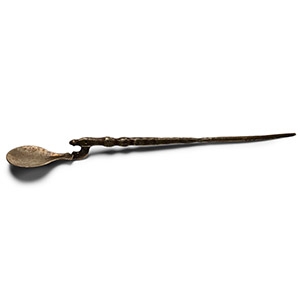
Roman Silver Cochlearium Spoon
2nd-4th century A.D.Sold for (Inc. bp): £260
With 'swan-neck' junction; facetted, round-section tapering shank; shallow bowl shaped like a flask in profile. 19.7 grams, 17.5 cm
Property of a Bedfordshire, UK, private collector. Accompanied by an illustrated collector's identification tag. This lot is accompanied by an illustrated lot declaration signed by the Head of the Antiquities Department, Dr Raffaele D’Amato.
The spoon's shaft tapers to a point; it was used for extracting seafood or snails from their shells. Spoons executed in precious metals were highly valued items in this period in history, so much so that historians and classicists see them recorded in inventories compiled for noble households. Cochlearia like this one have even been discovered in treasure hoards. The absence of Christian symbolism or of a Christian inscription on this spoon might suggest that it dates from a pre-Christian era, or that its owner/commissioner was pagan. -
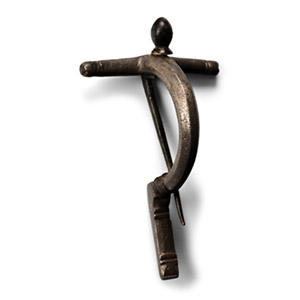
Roman Silver Crossbow Brooch
3rd century A.D.Sold for (Inc. bp): £182
Of early type with lemon-shaped knop above the round-section crossbar, facetted bow with filigree coils to the lower end, D-section footplate with lateral chamfered edges and catchplate to reverse, hinged pin behind the crossbar. 13.9 grams, 60 mm
From an old English collection. Acquired from Spinks, Shambles, York, circa 2010. Ian Wilkinson collection, Nottinghamshire, UK, formed since 1985. This lot is accompanied by an illustrated lot declaration signed by the Head of the Antiquities Department, Dr Raffaele D’Amato.
