
Loading, please wait...
LOT 0904
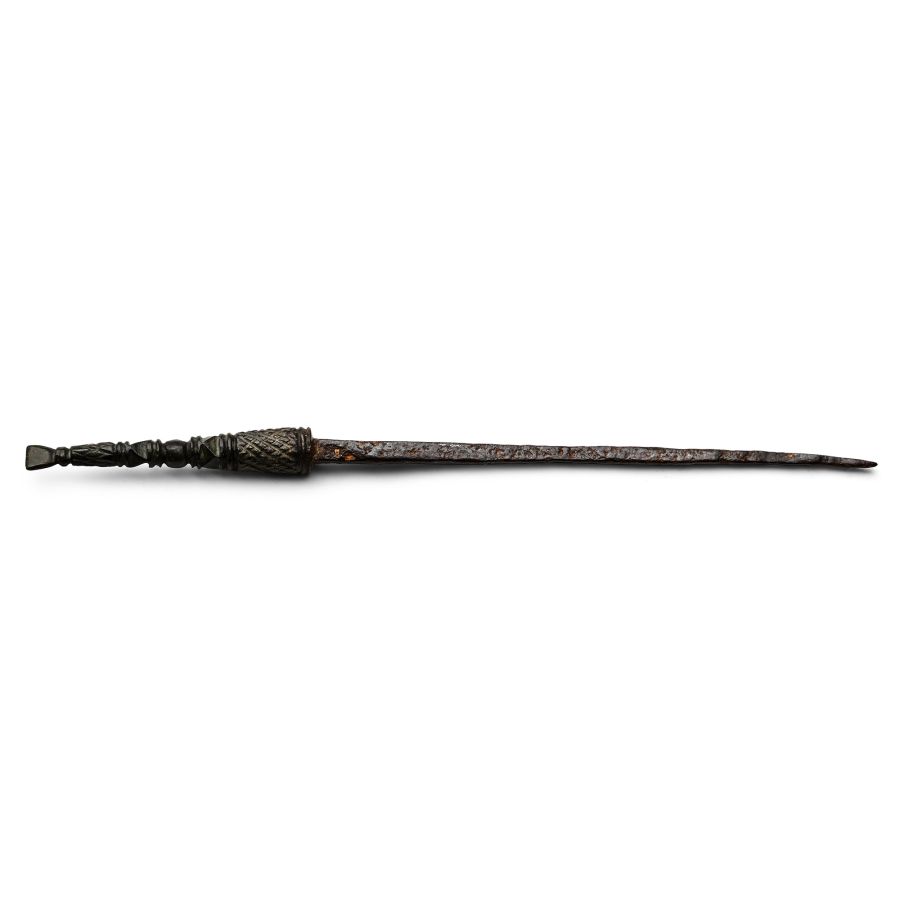
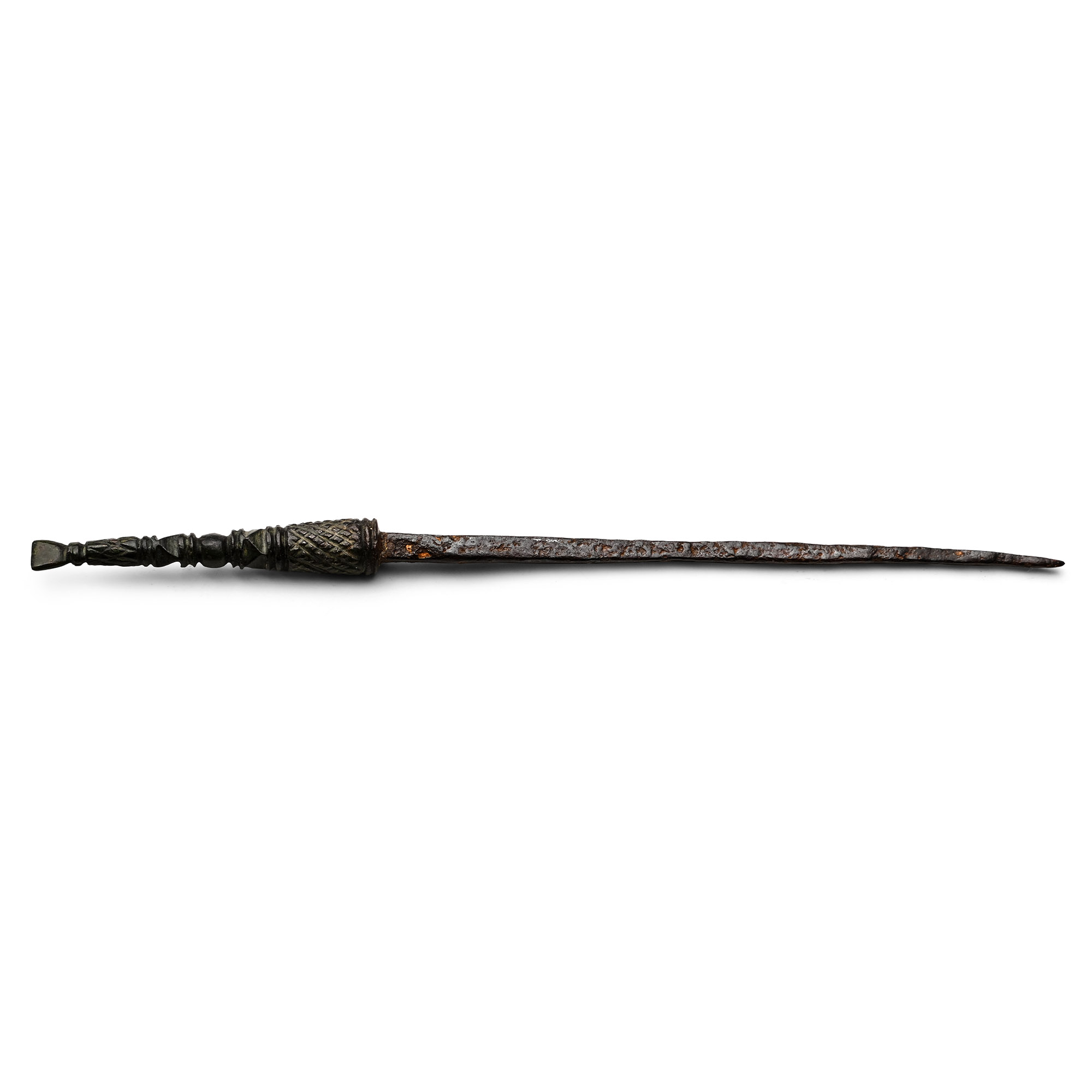
Roman Iron-Shafted Bronze Stylus with Eraser
1ST-4TH CENTURY A.D.
5 1/4 in. (10.39 grams, 13.5 cm).
Comprising a rectangular-section point with a balustered bronze finial with an eraser.
ProvenanceEx German art market, 2000s.
Acquired from an EU collector living in London.
From the collection of a Surrey, UK, gentleman.
TimeLine Auctions follows a vetting process to ensure the authenticity and legality of all items, reinforcing our commitment to integrity and responsible trading. Each antiquity, antique, and coin lot undergoes thorough examination by a vetting committee of at least ten external specialists, professional trade association members, scientists, and archaeologists: Our Vetting Process
AUCTIONS:
TimeLine is a leading auction house specialising in antiquities, ancient art, collectables, natural history, coins, medals, and books. Our auctions offer museums, collectors, historians, and enthusiasts the opportunity to acquire unique and historically significant pieces.
-
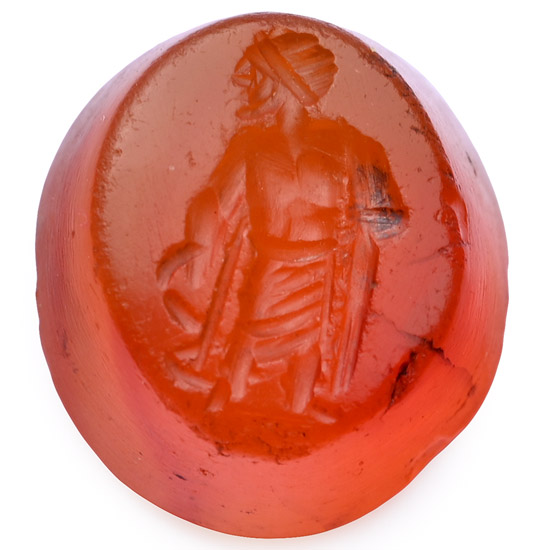
Roman Carnelian Gemstone with Aesculapius
2nd-3rd century A.D.Sold for (Inc. bp): £130
With the god in three-quarter view, with a cloak and staff; supplied with a museum-quality impression. 1.40 grams,12.64 mm
From the private collection of a European gentleman (1942-2024), formed since the 1970s. -
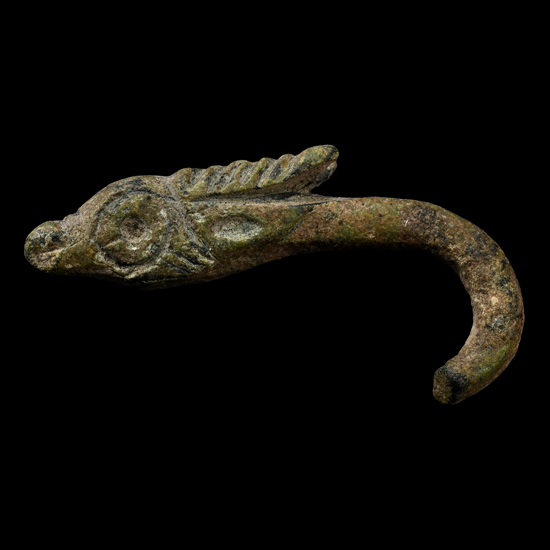
Roman Bronze Head of Ibex
1st-4th century A.D.Sold for (Inc. bp): £117
Comprising a curving body, the finial formed as a stylised animal head with pointed ears and spiralled horns, large eyes and a narrow muzzle. 10.3 grams, 37.4 mm
From the private collection of a European gentleman (1942-2024), formed since the 1970s. -
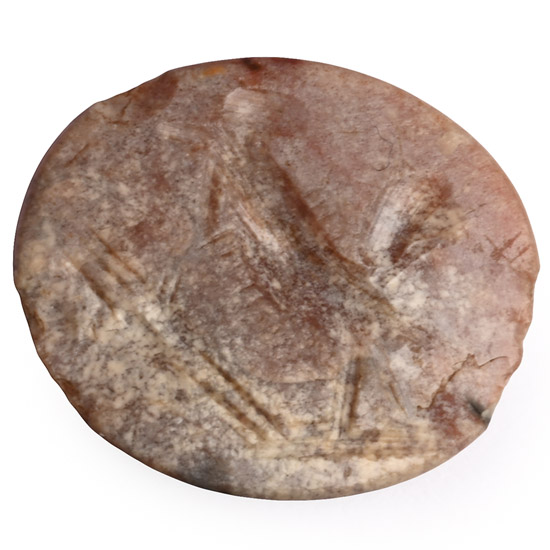
Roman Agate Gemstone with Bird
2nd-3rd century A.D.Sold for (Inc. bp): £46
Intaglio perching bird motif with frond. 0.46 grams, 11.29 mm
From the private collection of a European gentleman (1942-2024), formed since the 1970s.
