
Loading, please wait...
LOT 0767
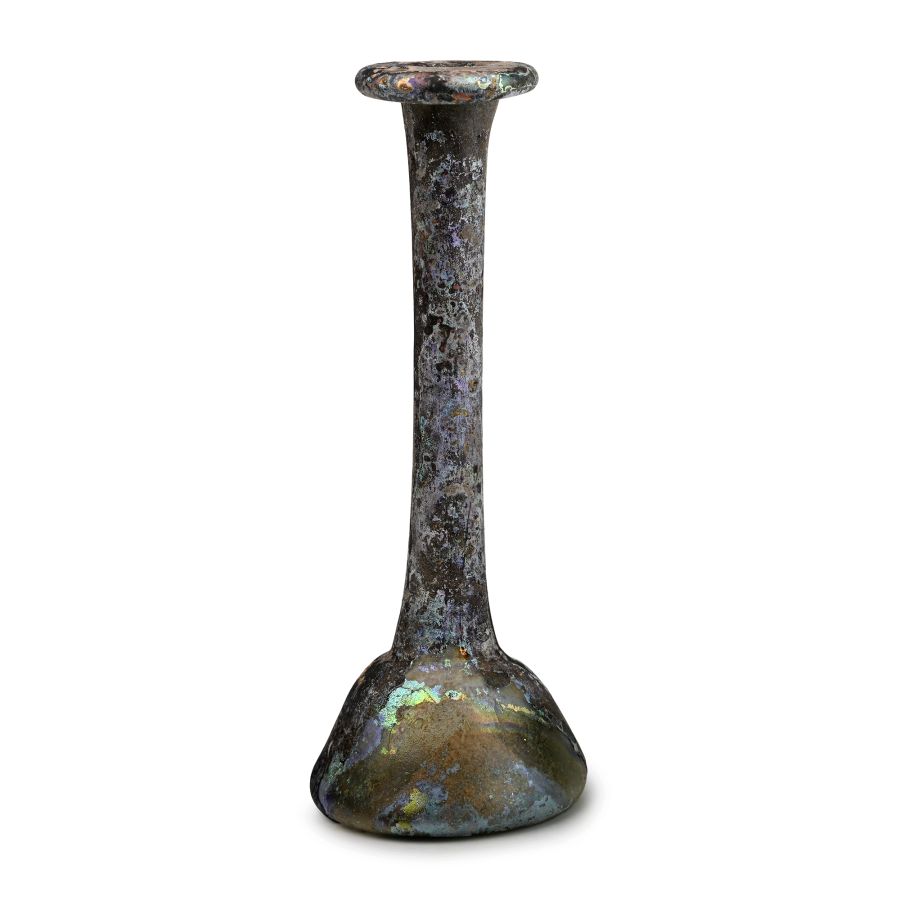
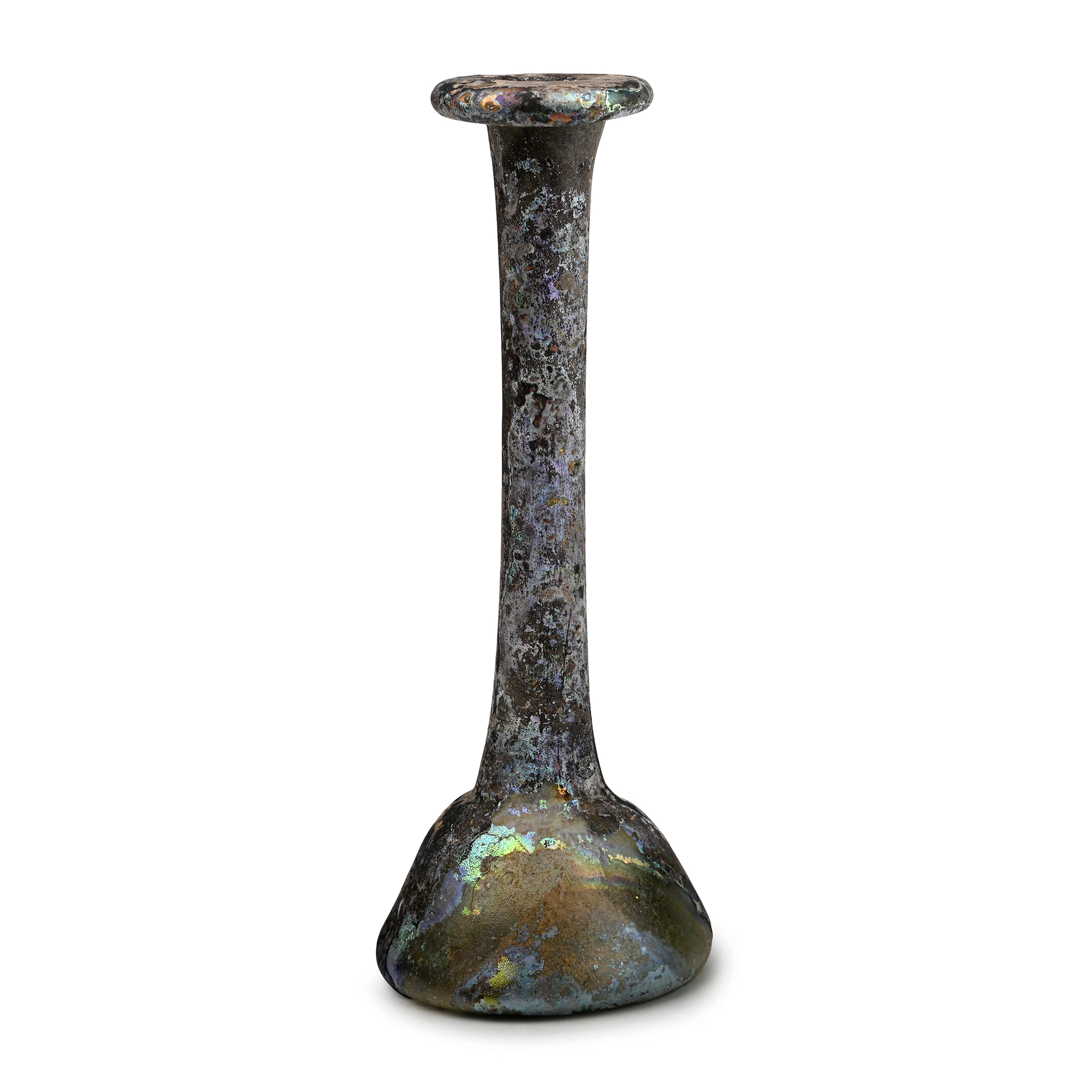
Roman Iridescent Tall Glass Unguentarium
CIRCA 1ST CENTURY A.D.
5 3/4 in. (38.9 grams, 14.5 cm).
Squat bell-shaped body and a long tubular neck with rolled flange rim.
ProvenanceEx London, UK, art market 1990s.
LiteratureCf. Whitehouse, D., Roman Glass in the Corning Museum of Glass, vol.1, New York, 1997, item 268, for type.
CONDITIONTimeLine Auctions follows a vetting process to ensure the authenticity and legality of all items, reinforcing our commitment to integrity and responsible trading. Each antiquity, antique, and coin lot undergoes thorough examination by a vetting committee of at least ten external specialists, professional trade association members, scientists, and archaeologists: Our Vetting Process
AUCTIONS:
TimeLine is a leading auction house specialising in antiquities, ancient art, collectables, natural history, coins, medals, and books. Our auctions offer museums, collectors, historians, and enthusiasts the opportunity to acquire unique and historically significant pieces.
-
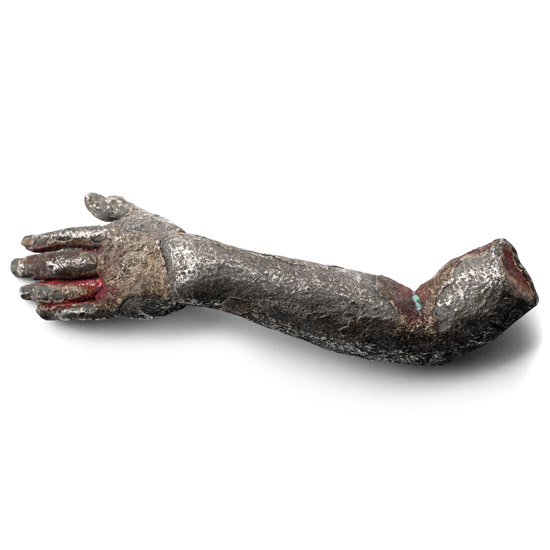
Roman Silver Arm from a Statuette
1st-2nd century A.D.Sold for (Inc. bp): £65
Featuring slender fingers and a bent elbow, likely once belonging to a statue depicting a goddess. 13.3 grams, 45.9 mm
From the private collection of a European gentleman (1942-2024), formed since the 1970s. -
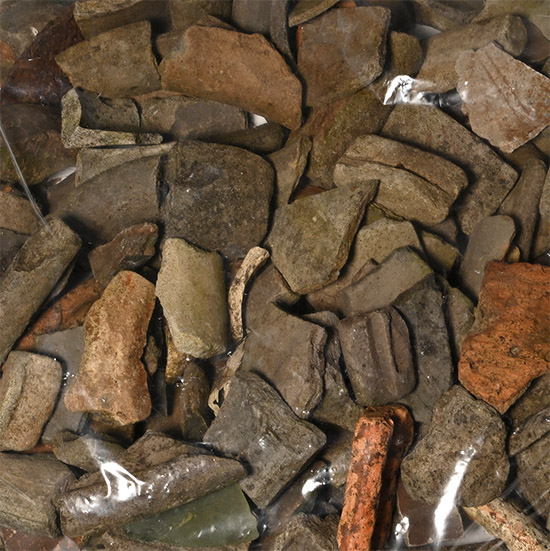
Romano-British Pottery Sherd Collection from Crococolana
1st-4th century A.D.Sold for (Inc. bp): £26
A mixed group of pottery fragments from vessels and other items. 3.59 kg total, 36-64 mm
Found at the Roman settlement of Crococolana, Brough, Lincolnshire, UK, 2003-2005. Ian Wilkinson collection, Nottinghamshire, UK, formed since 1985. This group is for UK buyers only. -
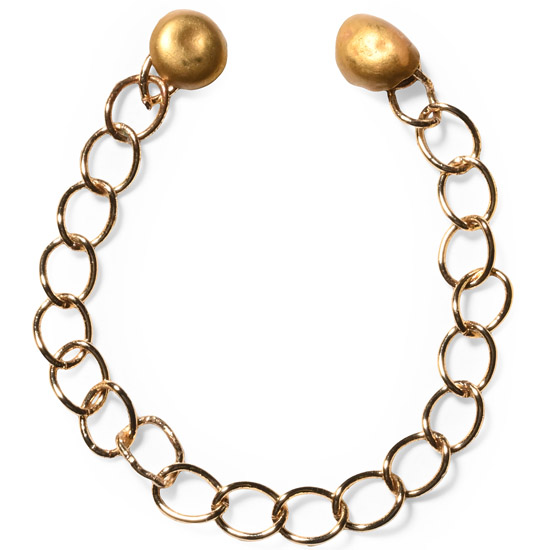
Eastern Roman Gold Pendant Bead Pair on Chain
3rd century B.C.-3rd century A.D.Sold for (Inc. bp): £85
Comprising two domed discs suspended from a length of looped later gold-coloured chain. 0.74 grams, 83 mm
Ex private British collection, formed in the 1980s. Property of a West Northamptonshire, UK, gentleman.
