
Loading, please wait...
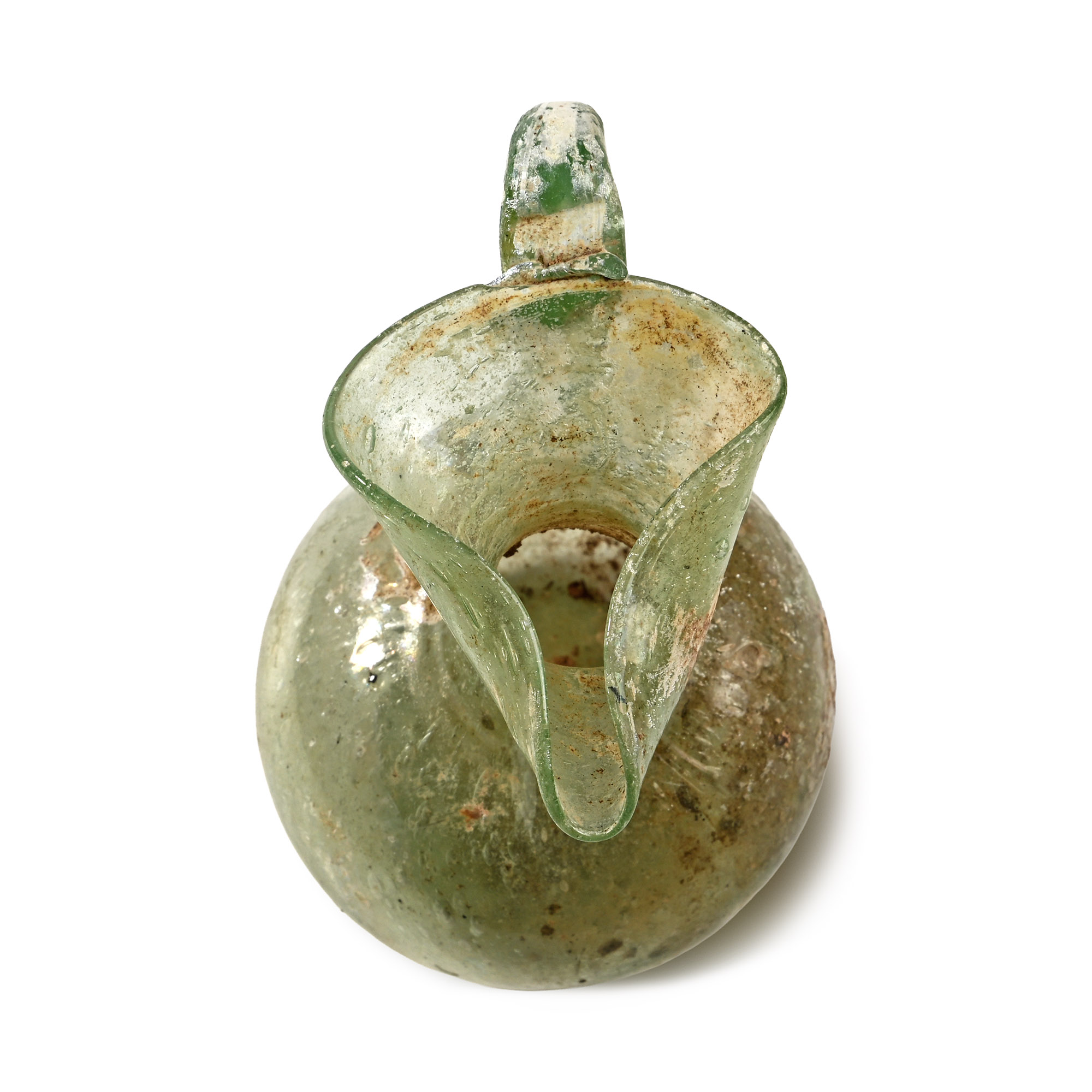
LOT 0144
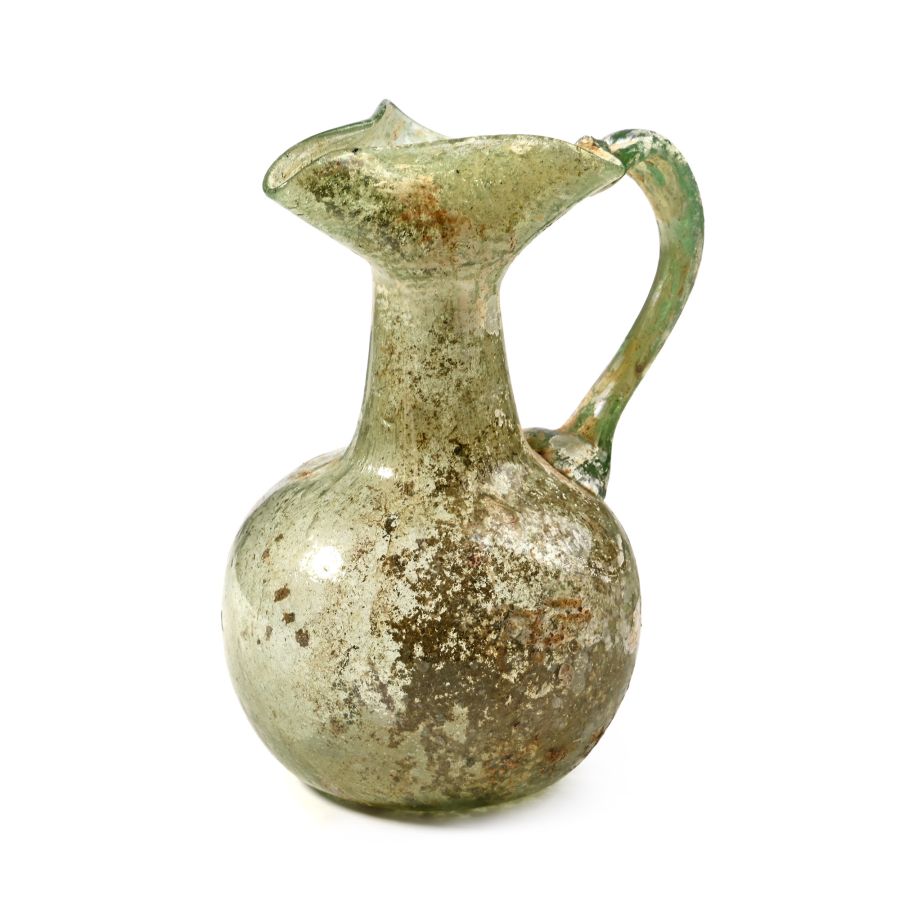
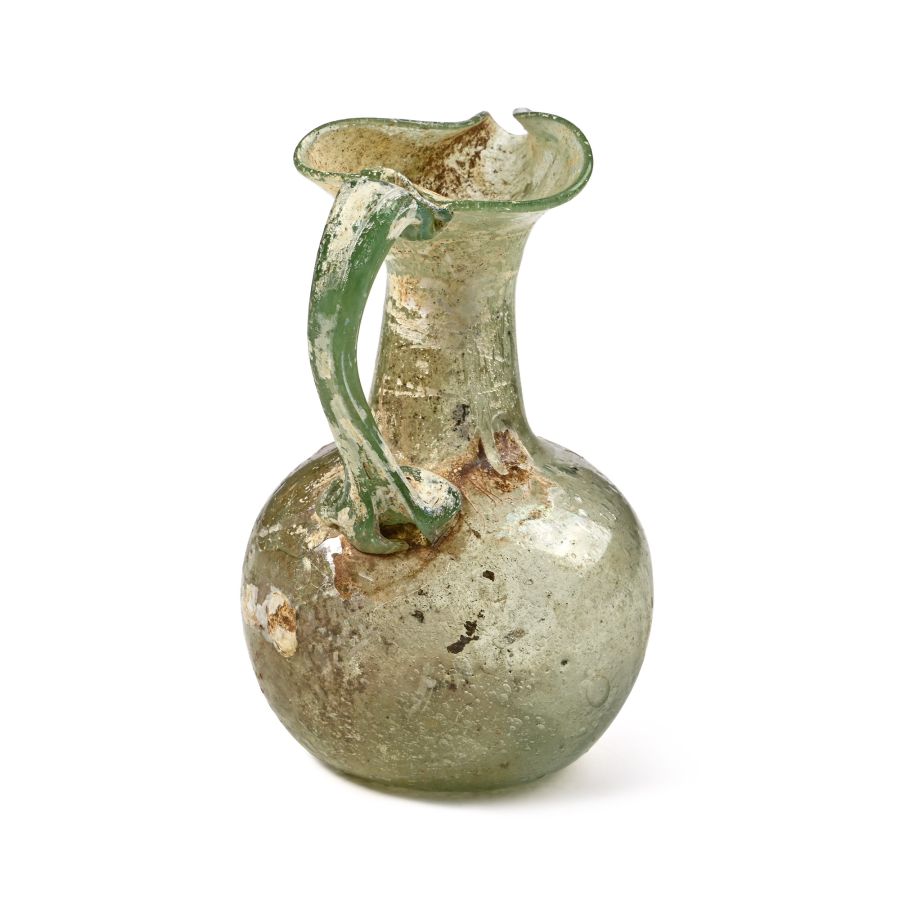
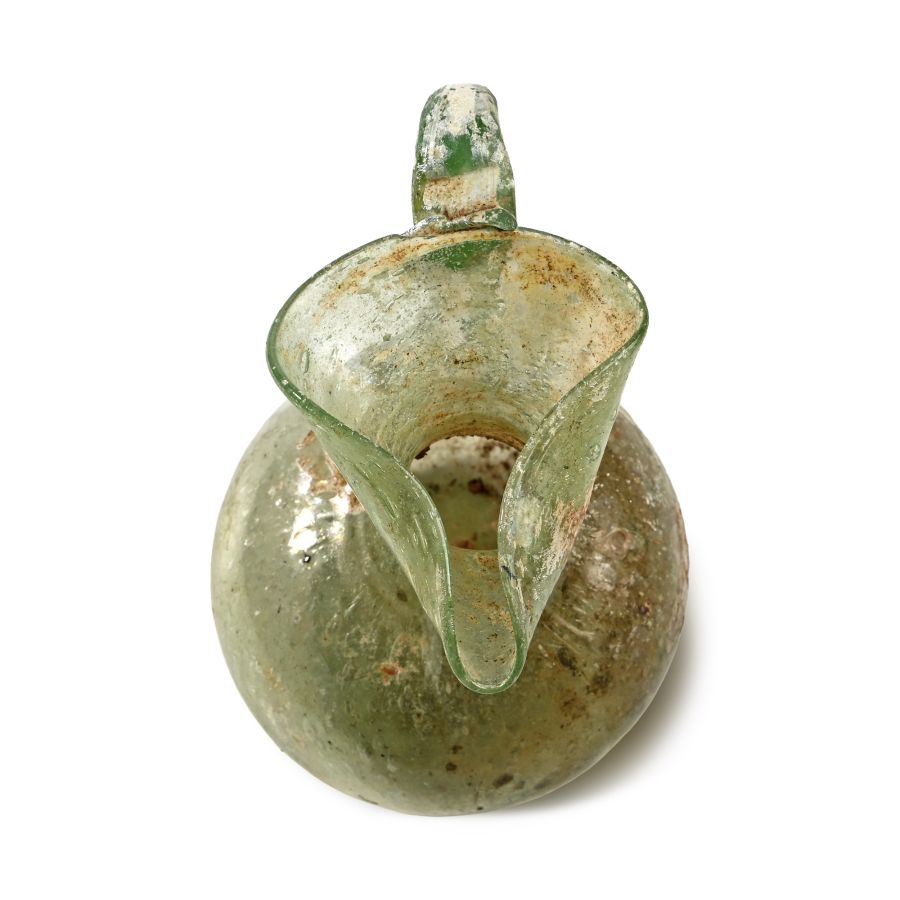
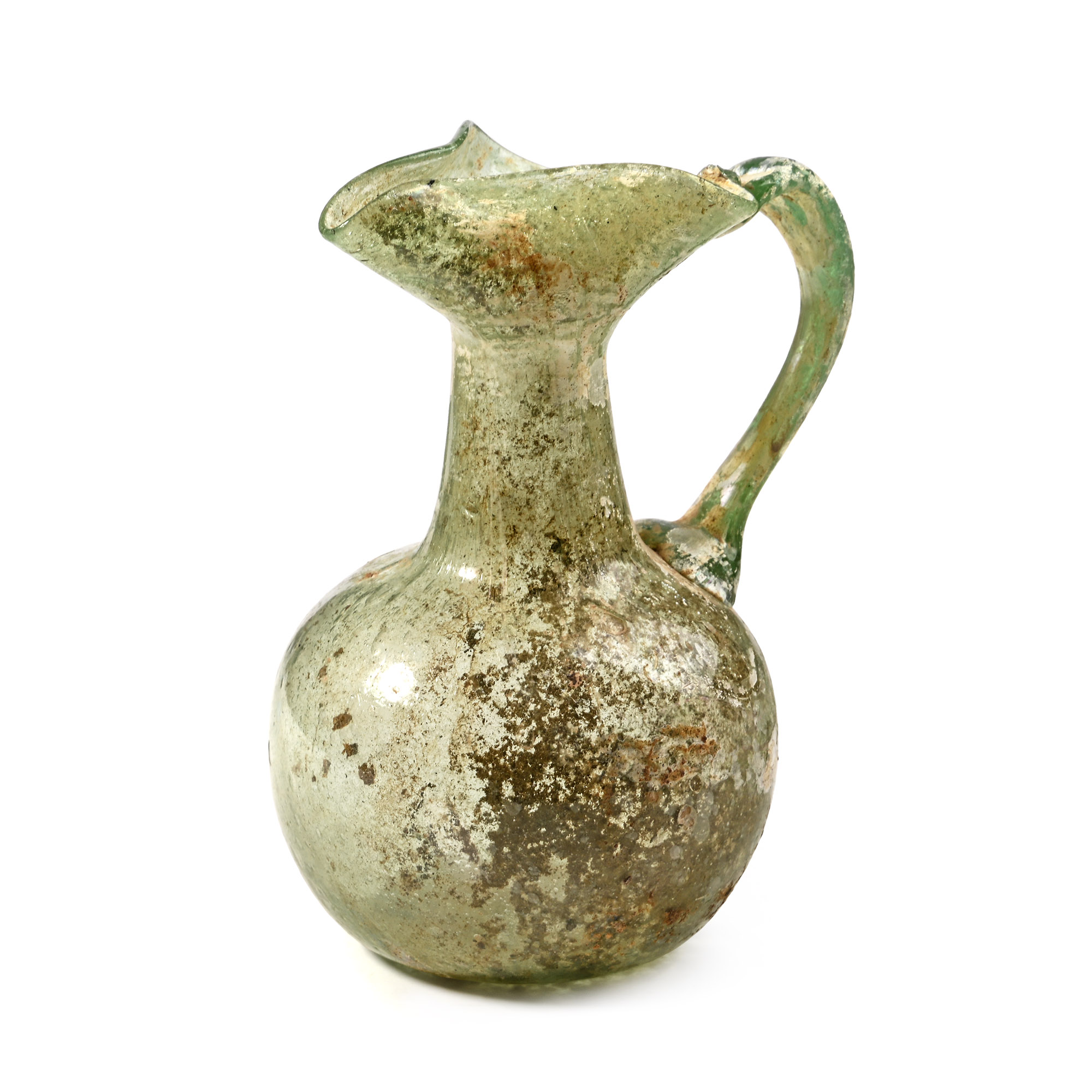
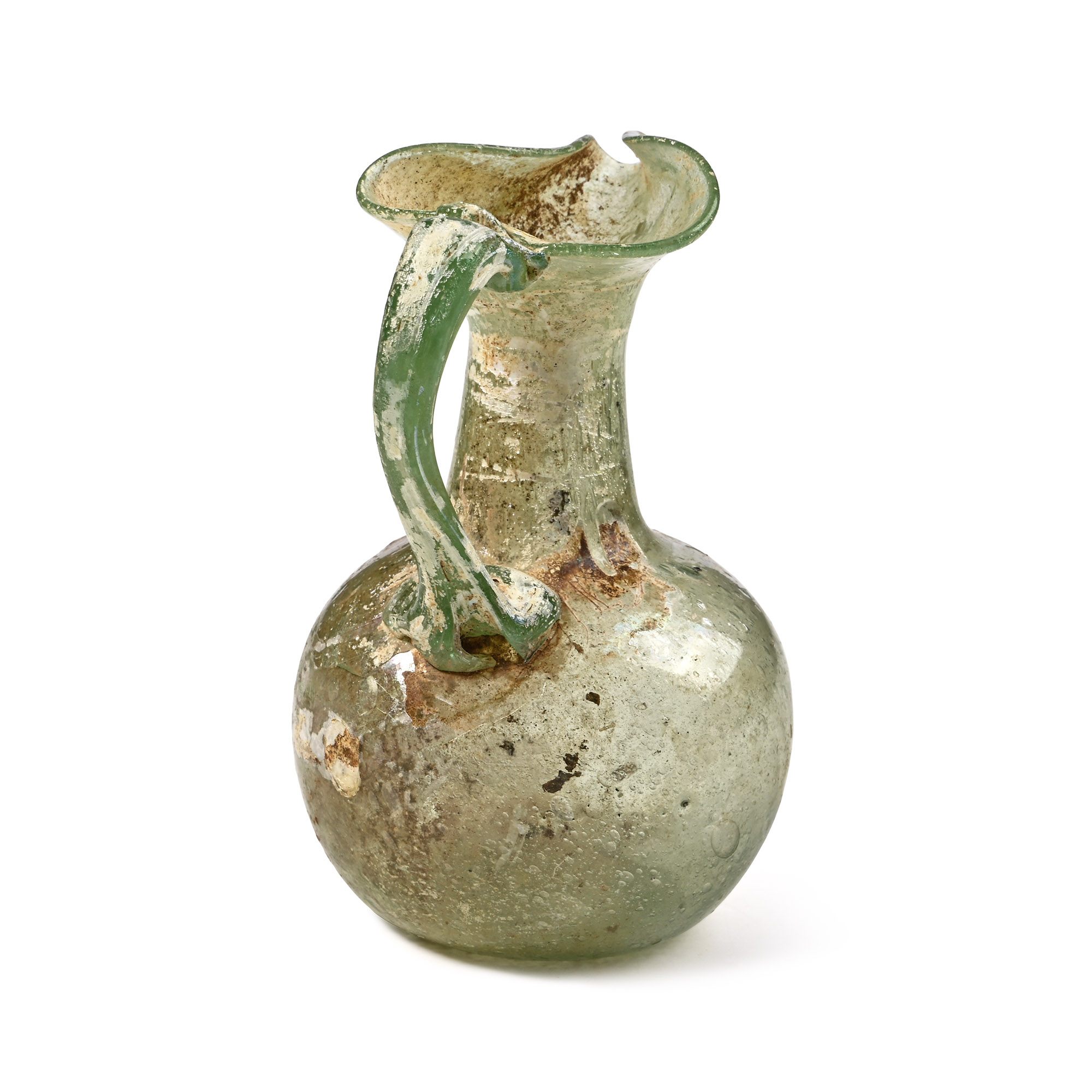
Roman Iridescent Green Glass Oinochoe
3RD-4TH CENTURY A.D.
4 1/2 in. (66 grams, 11.6 cm).
Bulbous body with a dimple base, tubular neck with a trefoil mouth and a strap handle to the rear.
ProvenanceAcquired in the 1990s from London dealerships and auction houses.
From the Lonson collection.
Cf. similar oinochoe in Antonaras, A., Ancient Glass in the J.Paul Getty Museum, Malibu, 2025, p.265, no.300.
CONDITIONTimeLine Auctions follows a vetting process to ensure the authenticity and legality of all items, reinforcing our commitment to integrity and responsible trading. Each antiquity, antique, and coin lot undergoes thorough examination by a vetting committee of at least ten external specialists, professional trade association members, scientists, and archaeologists: Our Vetting Process
AUCTIONS:
TimeLine is a leading auction house specialising in antiquities, ancient art, collectables, natural history, coins, medals, and books. Our auctions offer museums, collectors, historians, and enthusiasts the opportunity to acquire unique and historically significant pieces.
-
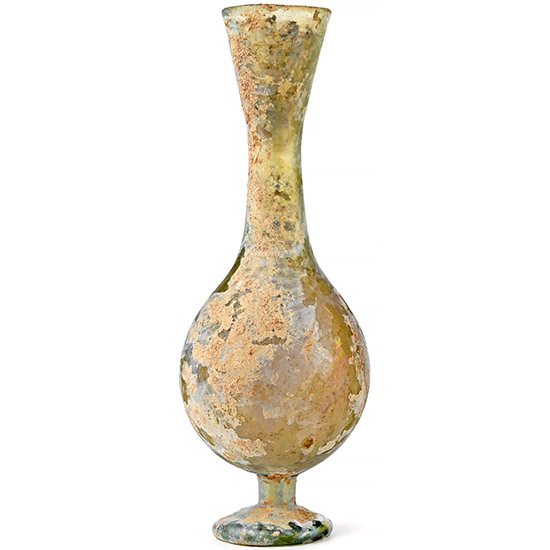
Roman Footed Glass Vessel
3rd century A.D.Sold for (Inc. bp): £845
Bulbous body with a flaring foot and a tall funicular neck. 59.6 grams, 16.7 cm
From an important London, UK, collection 1980-2020.
This bottle originates from an Eastern workshop; however, the high quality of the glass and the grinding away of the pontil mark suggest a date in the early 3rd century AD. -
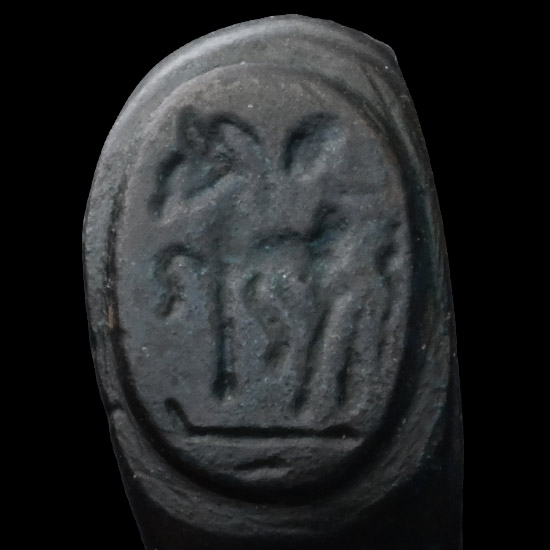
Roman Bronze Ring with Stepping Horse and Dioscourus
Circa 3rd century A.D.Sold for (Inc. bp): £72
Wide hoop expanding at the shoulders, oval bezel with a standing figure beside a stepping horse. 4.45 grams, 20.40 mm overall, 16.70 mm internal diameter (approximate size British K, USA 5 1/4, Europe 9.95, Japan 9)
From a UK collection formed in the 1980s. Property of an Essex, UK, gentleman. -
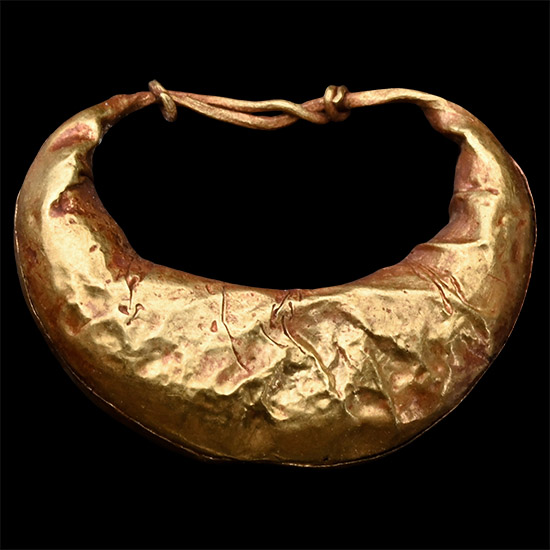
Roman Gold Crescent-Shaped Earring
1st-4th century A.D.Sold for (Inc. bp): £72
Hollow-formed with narrow ends developing into wires twisted around the shank. 0.49 grams, 14 mm
From the private collection of Mr Brian Edwards, New Malden, Surrey, UK, formed from the late 1970s-early 1980s; thence by descent.
