
Loading, please wait...
_900x900.jpg "Roman Imperial Silver Ring with Carnelian Gemstone with Gryllos")
_200x200.jpg "Roman Imperial Silver Ring with Carnelian Gemstone with Gryllos")


_900x900.jpg "Roman Imperial Silver Ring with Carnelian Gemstone with Gryllos")
_200x200.jpg "Roman Imperial Silver Ring with Carnelian Gemstone with Gryllos")
.jpg "Roman Imperial Silver Ring with Carnelian Gemstone with Gryllos")
.jpg "Roman Imperial Silver Ring with Carnelian Gemstone with Gryllos")
LOT 0180
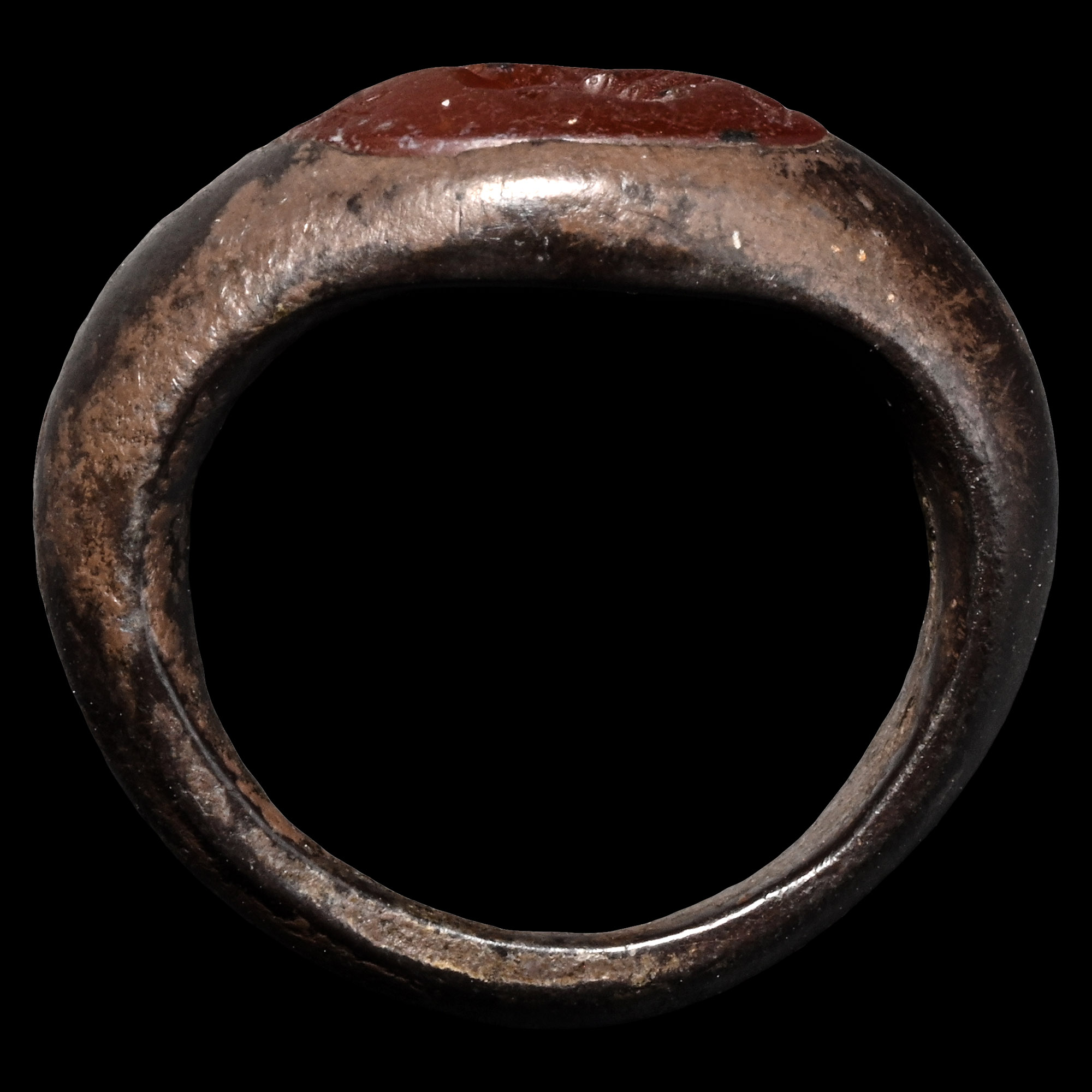
Roman Imperial Silver Ring with Carnelian Gemstone with Gryllos
2ND CENTURY A.D.
7/8 in. (8.83 grams, 22.17 mm overall, 16.02 x 13.65 mm internal diameter (approximate size British H 1/2, USA 4, Europe 6.81, Japan 6)).
Comprising a D-section hoop expanding at the shoulders, set with an intaglio with a composite animal figure (gryllos) advancing on a baseline, wearing a bridled horse protome with a twig in its mouth, a silen's mask on the breast, the tail formed as a ram's head with a twig in its mouth, and the legs of a cockerel.
ProvenanceUK private collection, acquired on the English market in the 2000s.
LiteratureCf. Boardman, J., Classical Phoenician Scarabs: A Catalogue and Study, Oxford, 2003, cat. no. 37/18 Tharros pl. 59e (BM ANE 133440), London no. 407, for a similarly-themed motif of a facing bearded head, with an African head to one side over a boar forepart; Boardman, J., 'Greek Gem Engravers, Their Subjects and Style' in Ancient Art in Seals: Essays by Pierre Amiet, Nimet Özgüç, and John Boardman, edited and introduced by Porada, E., Princeton, 1980, 113-114, for discussion.
CONDITIONTimeLine Auctions follows a vetting process to ensure the authenticity and legality of all items, reinforcing our commitment to integrity and responsible trading. Each antiquity, antique, and coin lot undergoes thorough examination by a vetting committee of at least ten external specialists, professional trade association members, scientists, and archaeologists: Our Vetting Process
AUCTIONS:
TimeLine is a leading auction house specialising in antiquities, ancient art, collectables, natural history, coins, medals, and books. Our auctions offer museums, collectors, historians, and enthusiasts the opportunity to acquire unique and historically significant pieces.
LOT 0180
Roman Imperial Silver Ring with Carnelian Gemstone with Gryllos
Estimate £700 - 900€810 - 1,040 (for guidance only)$950 - 1,220 (for guidance only)
-
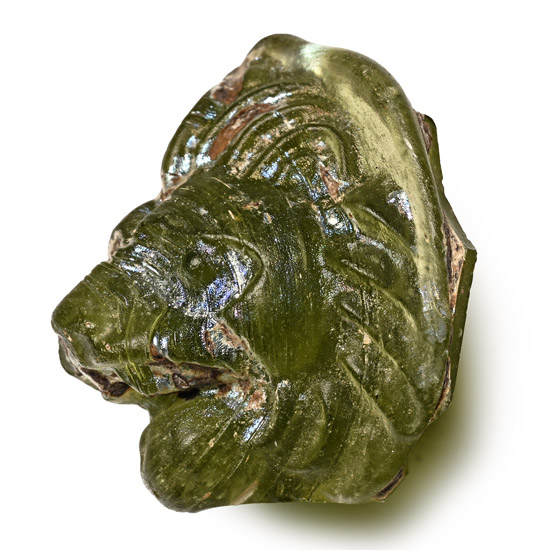
Large Roman Glass Roundel with Lion
3rd-4th century A.D.Sold for (Inc. bp): £390
Pale green roundel showing a lion's head in three-quarter view, the beast with open jaws and voluminous mane. 10.5 grams, 28 mm
From the private collection of a European gentleman (1942-2024), formed since the 1970s. -
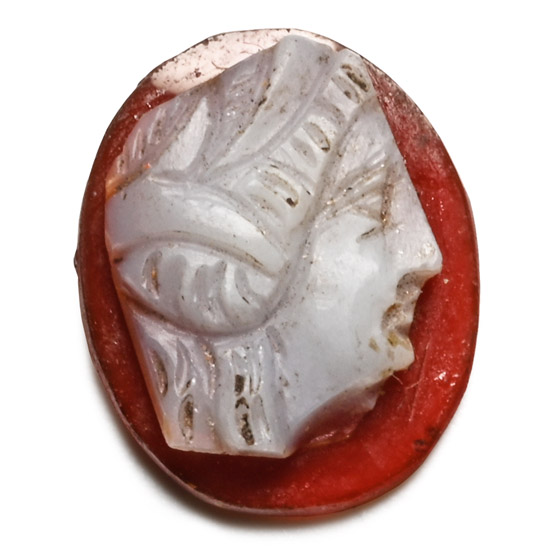
Roman Agate Cameo with Bust of an Empress
Circa 2nd century A.D.Sold for (Inc. bp): £104
An oval gemstone showing a female facing right. 0.26 grams, 9 mm
From the private collection of a European gentleman (1942-2024), formed since the 1970s. -
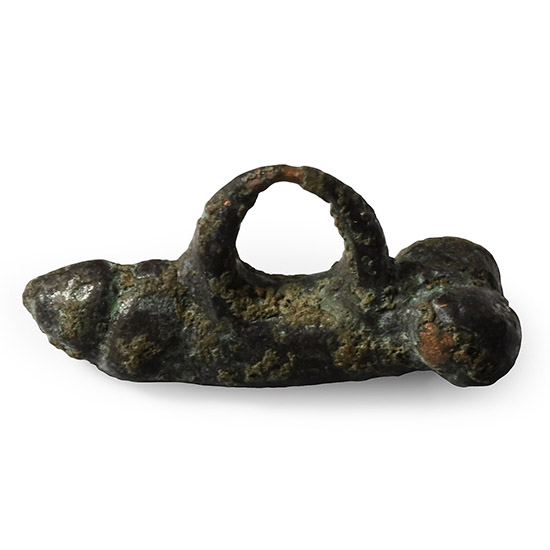
Roman Bronze Phallic Pendant
1st-3rd century A.D.Sold for (Inc. bp): £182
Comprising a thick, elongated body with lateral testes, thin suspension loop above. 7.9 grams, 29 mm
Ex German art market, 2000s. Acquired from an EU collector living in London. From the collection of Surrey, UK, gentleman.
