
Loading, please wait...
_900x900.jpg "Roman Imperial and Sasanian Carved Nicolo Gemstone Collection")
_200x200.jpg "Roman Imperial and Sasanian Carved Nicolo Gemstone Collection")
_900x900.jpg "Roman Imperial and Sasanian Carved Nicolo Gemstone Collection")
_200x200.jpg "Roman Imperial and Sasanian Carved Nicolo Gemstone Collection")
.jpg "Roman Imperial and Sasanian Carved Nicolo Gemstone Collection")
.jpg "Roman Imperial and Sasanian Carved Nicolo Gemstone Collection")
LOT 0097
Roman Imperial and Sasanian Carved Nicolo Gemstone Collection
2ND-5TH CENTURY A.D.
1/4 - 1/2 in. (3.8 grams total, 8-12 mm).
Comprising seven oval intaglios with various motifs, including a winged horse, an Italic female profile bust, a zebu, a winged lion(?), a standing eagle, an advancing figure carrying an animal, a satyr or a man with lagobolon and grapebunch; supplied with a museum-quality impression. [7]
ProvenanceUK private collection, acquired on the English market in the 2000s.
CONDITIONTimeLine Auctions follows a vetting process to ensure the authenticity and legality of all items, reinforcing our commitment to integrity and responsible trading. Each antiquity, antique, and coin lot undergoes thorough examination by a vetting committee of at least ten external specialists, professional trade association members, scientists, and archaeologists: Our Vetting Process
AUCTIONS:
TimeLine is a leading auction house specialising in antiquities, ancient art, collectables, natural history, coins, medals, and books. Our auctions offer museums, collectors, historians, and enthusiasts the opportunity to acquire unique and historically significant pieces.
LOT 0097
Roman Imperial and Sasanian Carved Nicolo Gemstone Collection
Sold for (Inc. bp): £1,560
-
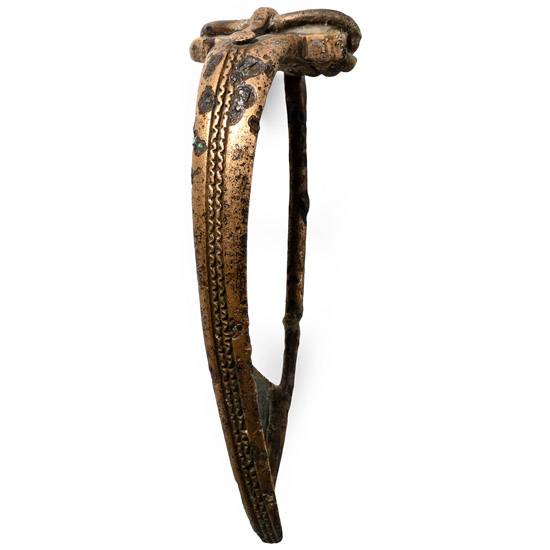
Large Roman Bronze Decorated Bow Brooch
Circa 1st century A.D.Sold for (Inc. bp): £78
Colchester-type brooch with chord and pin, median band of incuse undulating lines to the bow; pin soldered in place in antiquity. 20.3 grams, 73 mm
From the private collection of Mr Brian Edwards, New Malden, Surrey, UK, formed from the late 1970s-early 1980s; thence by descent. Accompanied by the original collector's data sheet(s) with reference no.A122. -
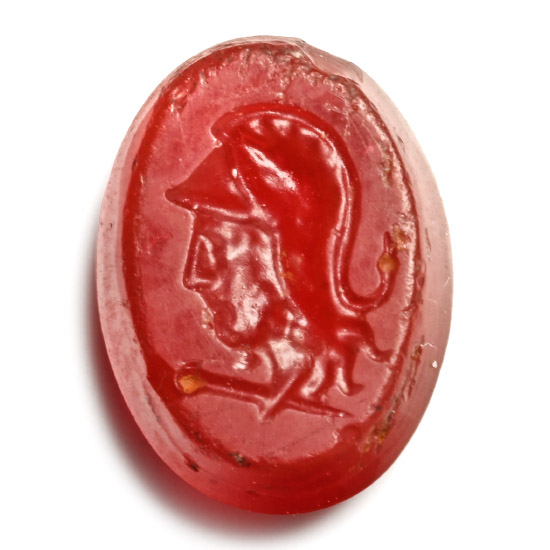
Roman Carnelian Gemstone with Bust of Minerva
2nd-3rd century A.D.Sold for (Inc. bp): £124
Scaraboid type with incuse design of a profile bust of Minerva wearing a Corinthian-style crested helmet; supplied with a museum-quality impression. 0.46 grams, 10 mm
From the private collection of a European gentleman (1942-2024), formed since the 1970s. -
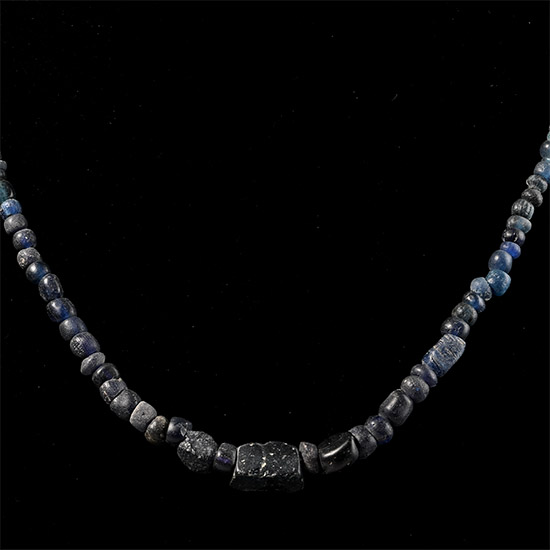
Roman Blue Glass and Other Bead Necklace String
1st-4th century A.D. and laterSold for (Inc. bp): £72
Composed of graduated oblate bead with a large rectangular bead at the centre, restrung. 19.6 grams, 46.3 cm
Acquired in the 1990s. Ex London, UK, collection.
