
Loading, please wait...
LOT 0180
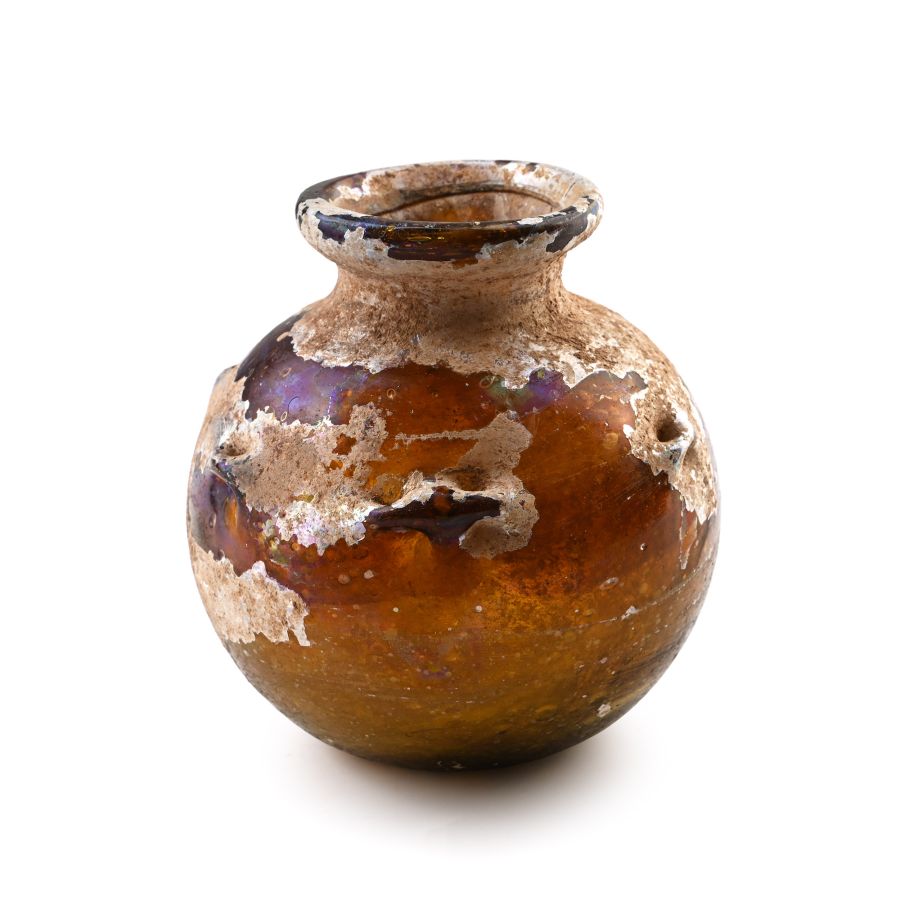
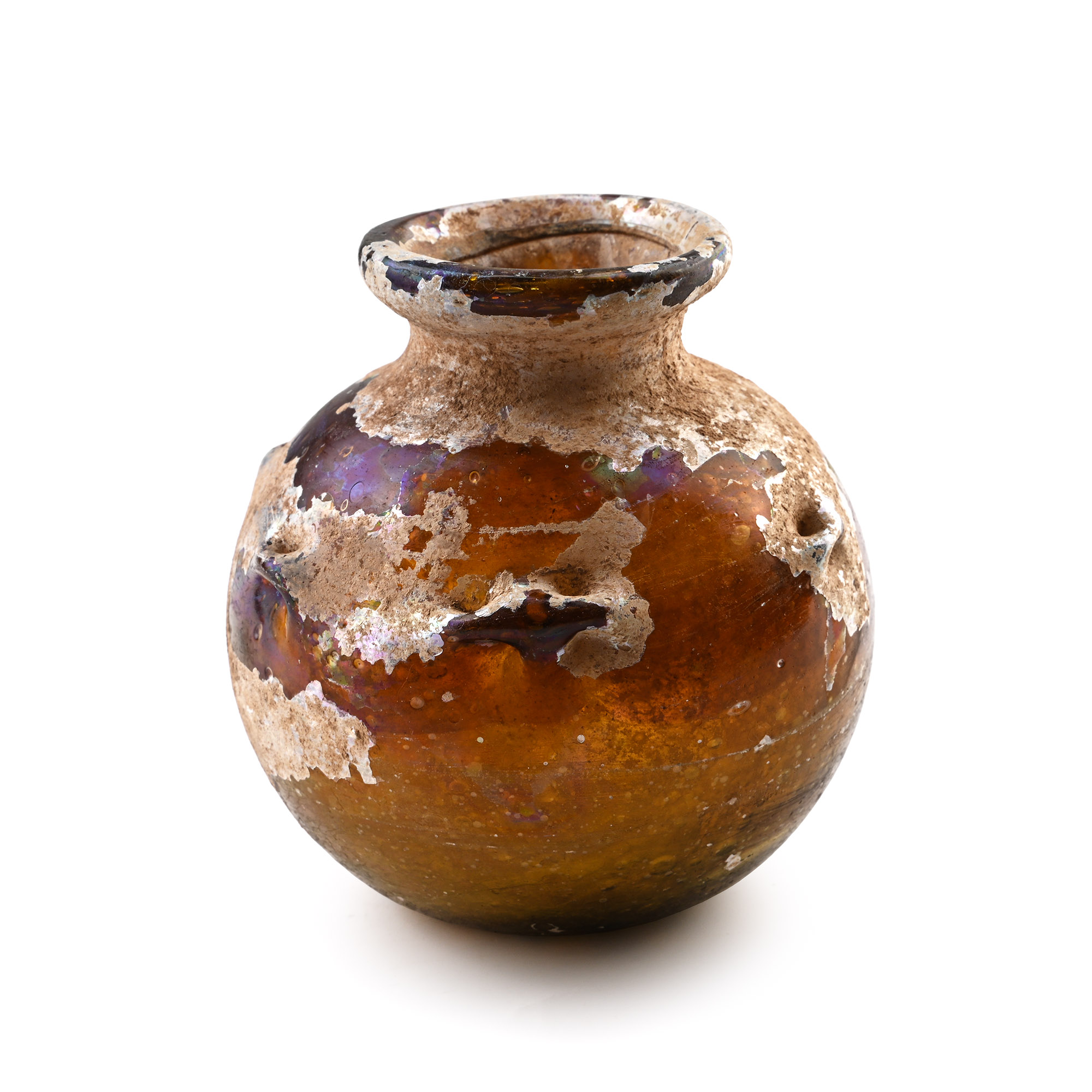
Roman Honey-Coloured Glass Jar with Fine Iridescence
1ST-4TH CENTURY A.D.
3 1/2 in. (125 grams, 90 mm high).
Squat in profile with trumpet-shaped neck and mouth, rolled rim, dimple base, pinched lobes to the shoulder; some iridescence.
ProvenanceFrom a specialist collection of glass, acquired from dealerships during the 1990s.
CONDITIONTimeLine Auctions follows a vetting process to ensure the authenticity and legality of all items, reinforcing our commitment to integrity and responsible trading. Each antiquity, antique, and coin lot undergoes thorough examination by a vetting committee of at least ten external specialists, professional trade association members, scientists, and archaeologists: Our Vetting Process
AUCTIONS:
TimeLine is a leading auction house specialising in antiquities, ancient art, collectables, natural history, coins, medals, and books. Our auctions offer museums, collectors, historians, and enthusiasts the opportunity to acquire unique and historically significant pieces.
-
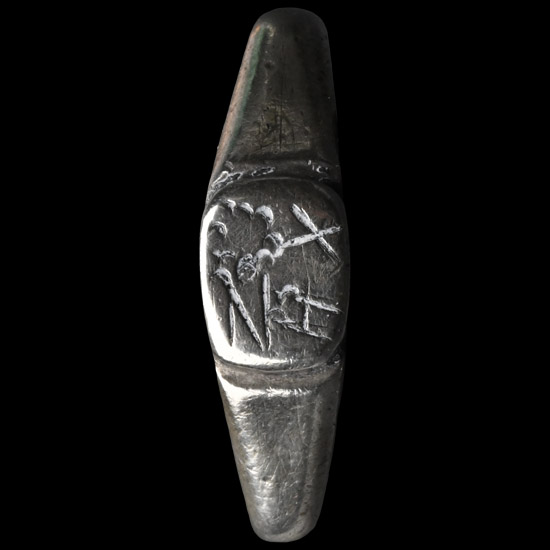
Roman Silver Inscribed Ring
2nd-4th century A.D.Sold for (Inc. bp): £98
D-section hoop with angled shoulders and raised bezel with pseudo inscription, inked collector's number on the inside 'MI574'; polished. 3.49 grams, 22.30 mm overall, 15.52 mm internal diameter (approximate size British H 1/2, USA 4, Europe 6.81, Japan 6)
Formerly in the collection of Lord McAlpine of West Green, bearing collection number M1574. Bonhams, Knightsbridge, London, Antiquities Sale, Wednesday 12th July 2000, no.9 (part). Property of a West Northamptonshire, UK, gentleman. Accompanied by a copy of the Bonhams invoice. -
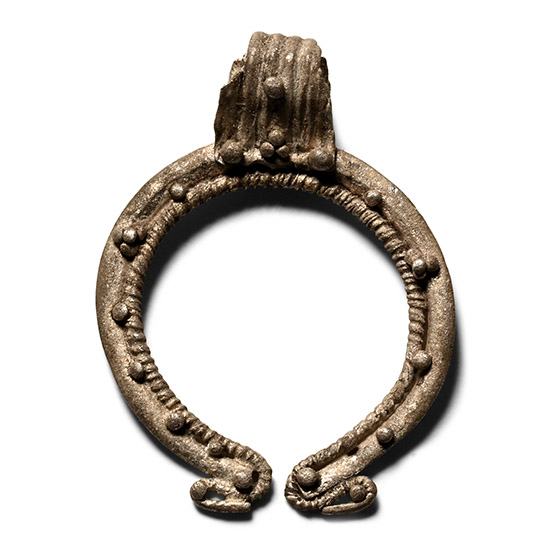
Roman Silver Lunar Pendant
Circa 1st century A.D.Sold for (Inc. bp): £117
Crescentic body with applied granules and filigree, applied ribbed loop. 2.1 grams, 31 mm
Ex German art market, 2000s. Acquired from an EU collector living in London. From the collection of a Surrey, UK, gentleman. -
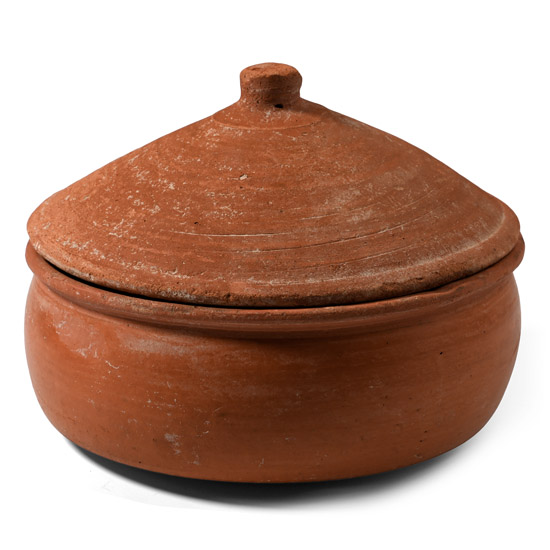
Roman Red Ware Lidded Bowl
Circa 3rd-4th century A.D.Sold for (Inc. bp): £208
Squat ceramic bowl with slightly domed base, rounded rim; domed lid with knop handle to apex. 845 grams total, lid: 17.3 cm wide
From the private collection of Mr Brian Edwards, New Malden, Surrey, UK, formed from the late 1970s-early 1980s; thence by descent, with collector's reference no.A34.
