
Loading, please wait...
LOT 0726
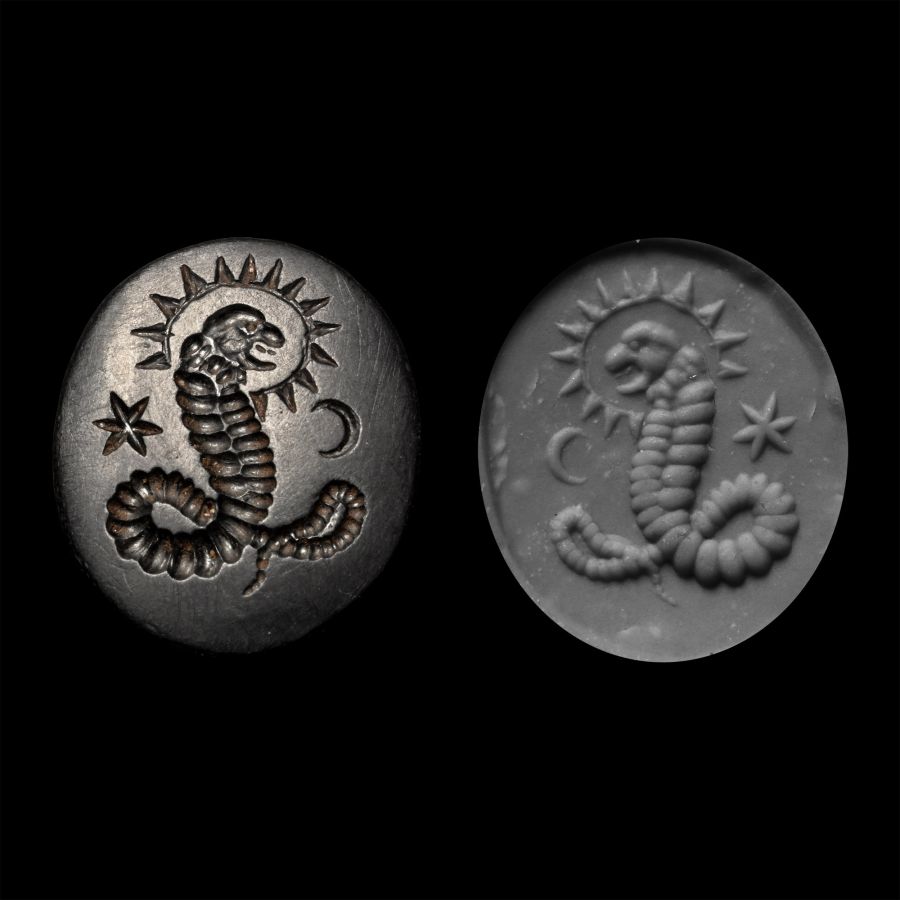
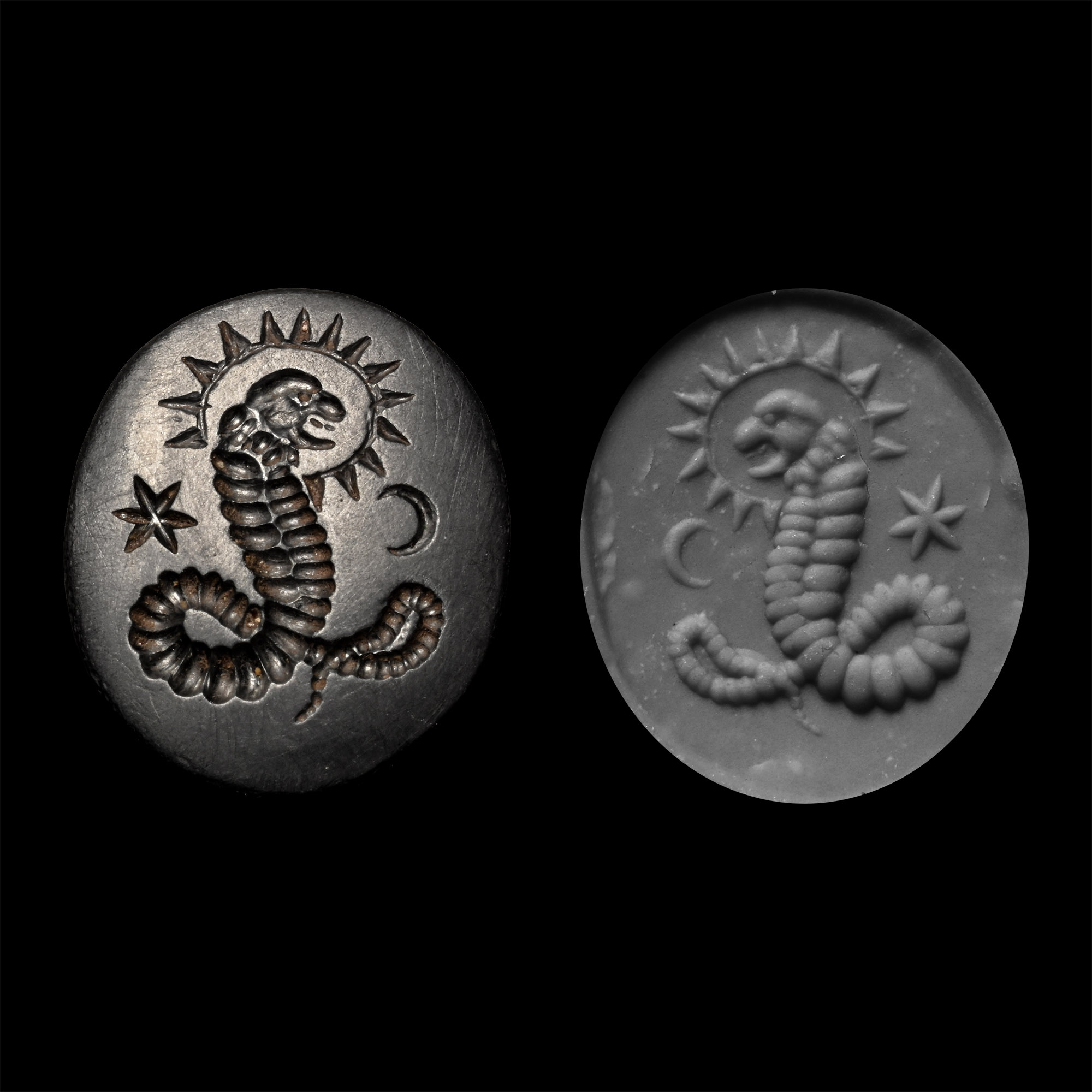
Roman Hematite Gnostic Gemstone with Chnoubis
2ND-3RD CENTURY A.D.
5/8 in. (1.82 grams, 15 mm).
Incuse lion-headed serpent facing right with radiate head of 14 rays and a nimbata; body marked by deep, parallel scales in two coils; crescent moon and a star in the field; supplied with a museum-quality impression.
ProvenanceAcquired on the European art market.
Private collection, England.
This magical jewel referenced solar worship and ancient Egyptian astronomy. Rare.
CONDITIONTimeLine Auctions follows a vetting process to ensure the authenticity and legality of all items, reinforcing our commitment to integrity and responsible trading. Each antiquity, antique, and coin lot undergoes thorough examination by a vetting committee of at least ten external specialists, professional trade association members, scientists, and archaeologists: Our Vetting Process
AUCTIONS:
TimeLine is a leading auction house specialising in antiquities, ancient art, collectables, natural history, coins, medals, and books. Our auctions offer museums, collectors, historians, and enthusiasts the opportunity to acquire unique and historically significant pieces.
-
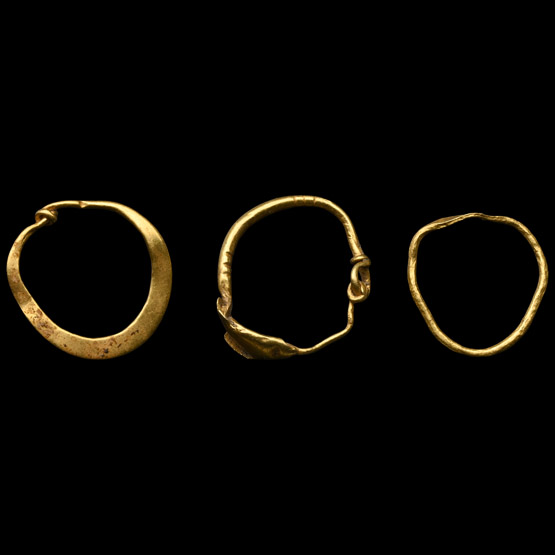
Roman Gold Earring Collection
1st-4th century A.D.Sold for (Inc. bp): £156
Comprising of round-section hoop with flat lozenge-shape bezel, round section with irregular flat bezel and knot, flat lunar-shaped with knot. 1.27 grams total, 11-14 mm
Ex H Norri collection, Milton Keynes, Bedfordshire, UK, 1980s-1990s. -
.jpg)
Roman Yellow Jasper Gemstone in Silver Ring
2nd-3rd century A.D.Sold for (Inc. bp): £338
Discoid in plan with incuse figure of Fortuna with cornucopia and fronds; set into a later silver ring; supplied with a museum-quality impression. 11.84 grams, 25.06 mm overall, 18.55 mm internal diameter (approximate size British Q 1/2, USA 8 1/4, Europe 18.12, Japan 17)
Private collection, H.W., Munich, Germany. with Gorny and Mosch, Munich, Germany. Private collection, England. -
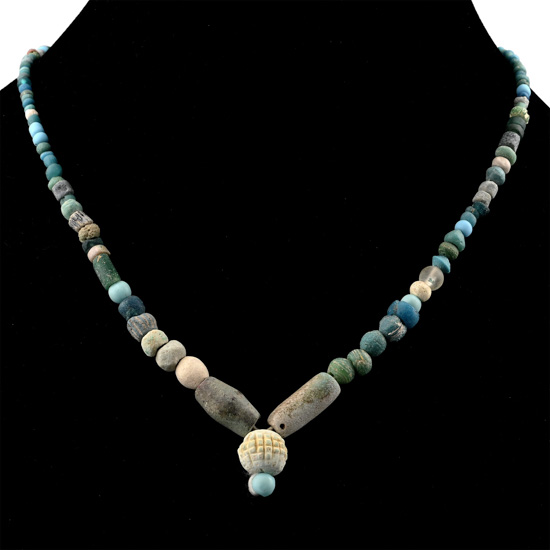
Roman Glass and Other Bead Necklace String
1st-4th century A.D. and laterSold for (Inc. bp): £72
A restrung designer necklace composed of graduated beads with larger beads as a central feature. 16.56 grams, 38.7 cm
From London, UK, gallery collection, 1990s.
