
Loading, please wait...
LOT 0987
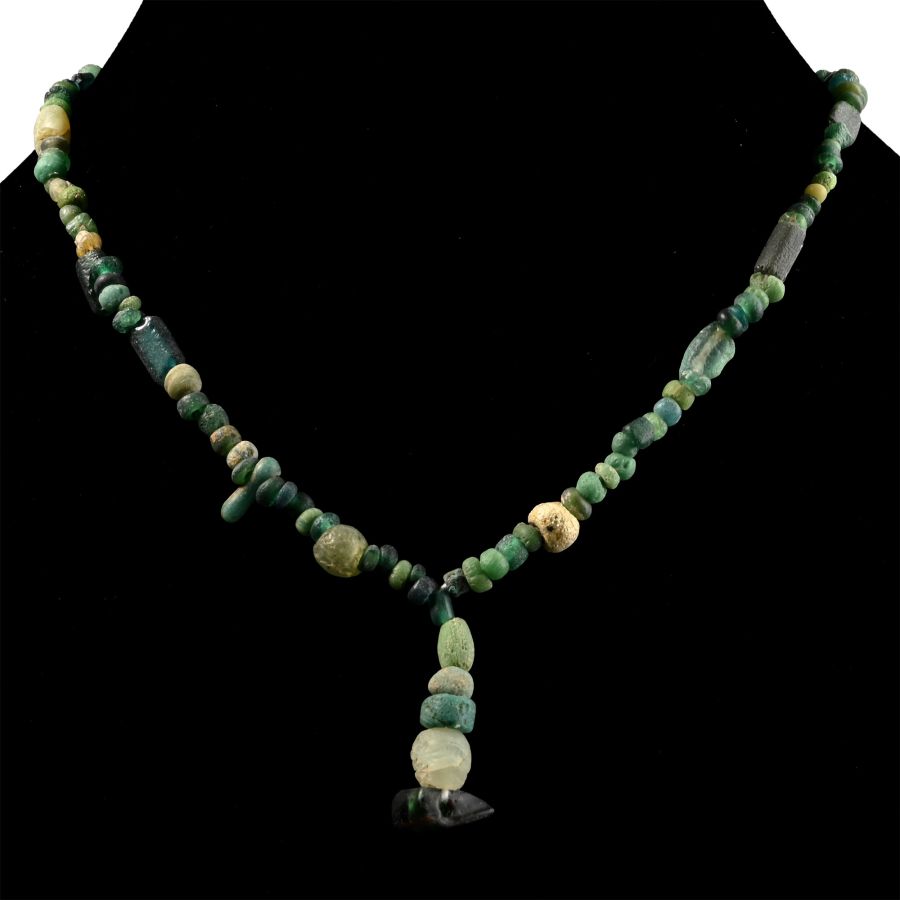
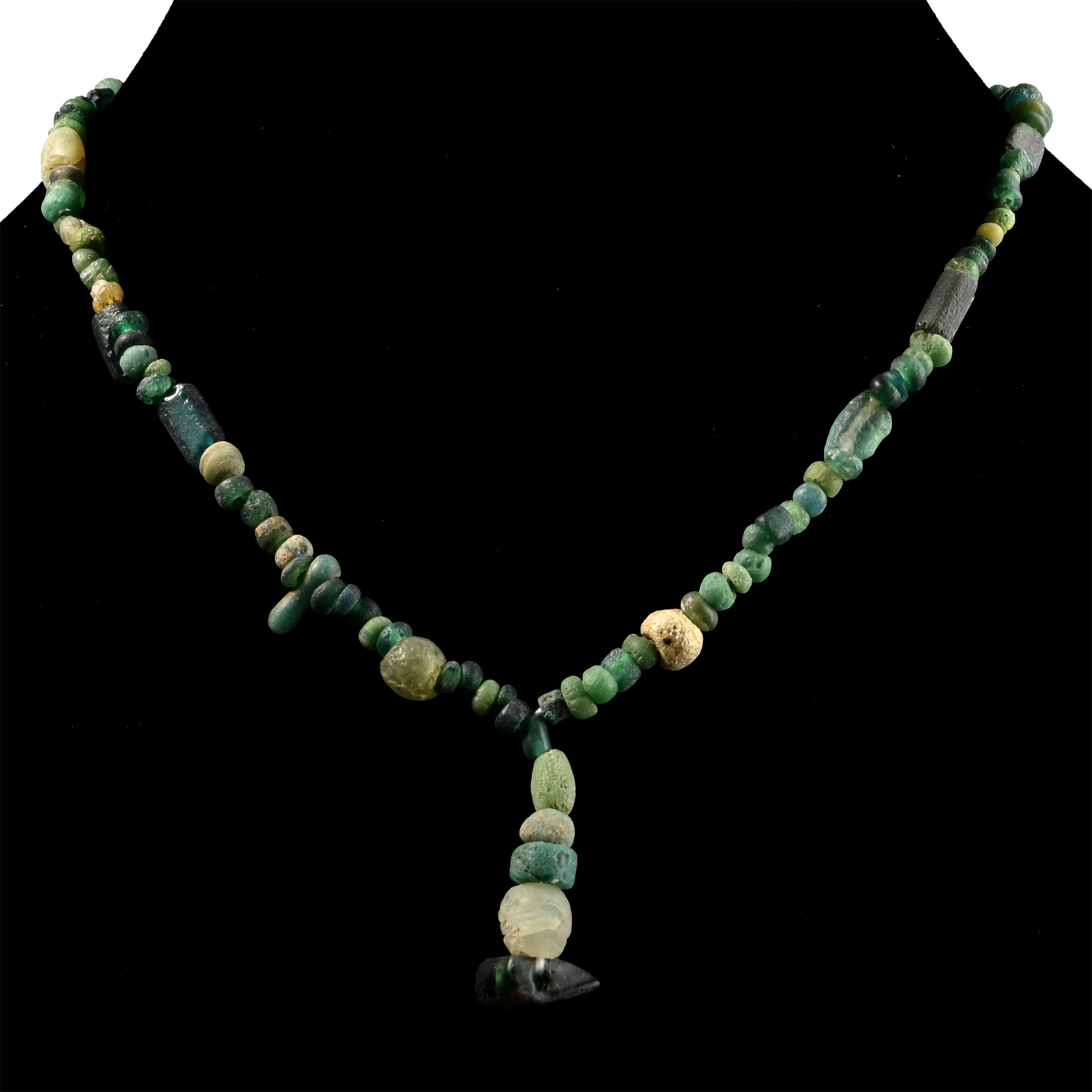
Roman Green Glass and Other Bead Necklace String
1ST-4TH CENTURY A.D. AND LATER
13 3/4 in. (15.7 grams, 35 cm).
Composed of mixed beads with larger beads as a central feature, restrung. [No Reserve]
ProvenanceAcquired in the 1990s.
Ex London, UK, collection.
TimeLine Auctions follows a vetting process to ensure the authenticity and legality of all items, reinforcing our commitment to integrity and responsible trading. Each antiquity, antique, and coin lot undergoes thorough examination by a vetting committee of at least ten external specialists, professional trade association members, scientists, and archaeologists: Our Vetting Process
AUCTIONS:
TimeLine is a leading auction house specialising in antiquities, ancient art, collectables, natural history, coins, medals, and books. Our auctions offer museums, collectors, historians, and enthusiasts the opportunity to acquire unique and historically significant pieces.
-
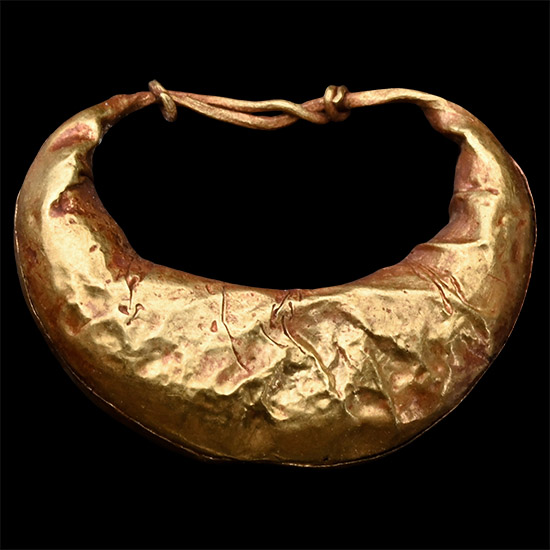
Roman Gold Crescent-Shaped Earring
1st-4th century A.D.Sold for (Inc. bp): £72
Hollow-formed with narrow ends developing into wires twisted around the shank. 0.49 grams, 14 mm
From the private collection of Mr Brian Edwards, New Malden, Surrey, UK, formed from the late 1970s-early 1980s; thence by descent. -
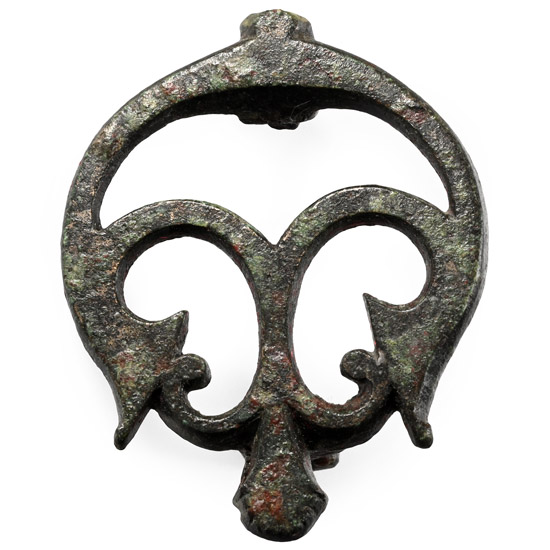
Roman Bronze Trumpet Plate Brooch
3rd-4th century A.D.Sold for (Inc. bp): £39
Openwork brooch formed of two opposing trumpet motifs with scrolls, pin-lugs and a catchplate on the reverse. 11.7 grams, 38 mm
From the private coin collection of a West London, UK, gentleman, formed since the mid 1980s. -
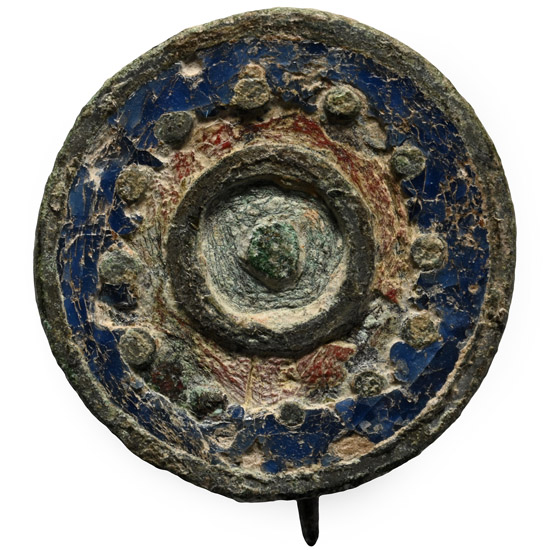
Romano-British Enamelled Bronze Plate Brooch
Late 2nd century A.D.Sold for (Inc. bp): £65
Discoid type with raised concentric rings to the obverse and pellets between, enamel fill; spring, pin and catch to reverse. 5.9 grams, 27 mm
From the private collection of Mr Brian Edwards, New Malden, Surrey, UK, formed from the late 1970s-early 1980s; thence by descent. Accompanied by the original collector's data sheet(s) with reference no.A31.
