
Loading, please wait...
LOT 0143
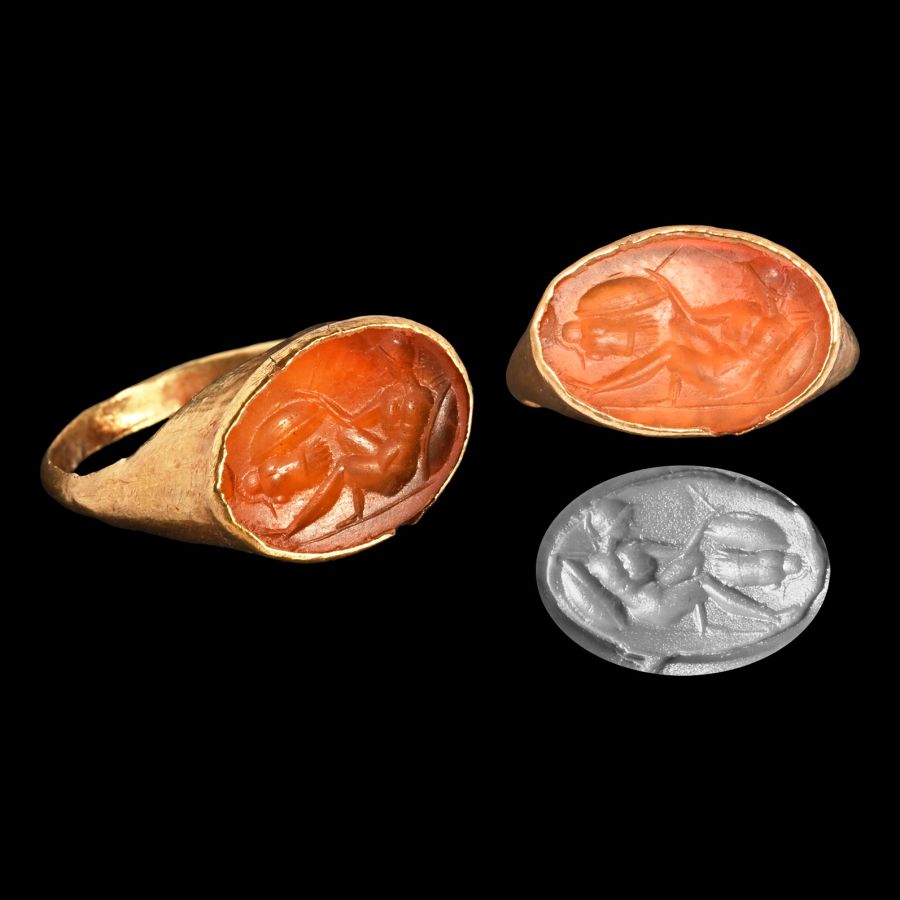
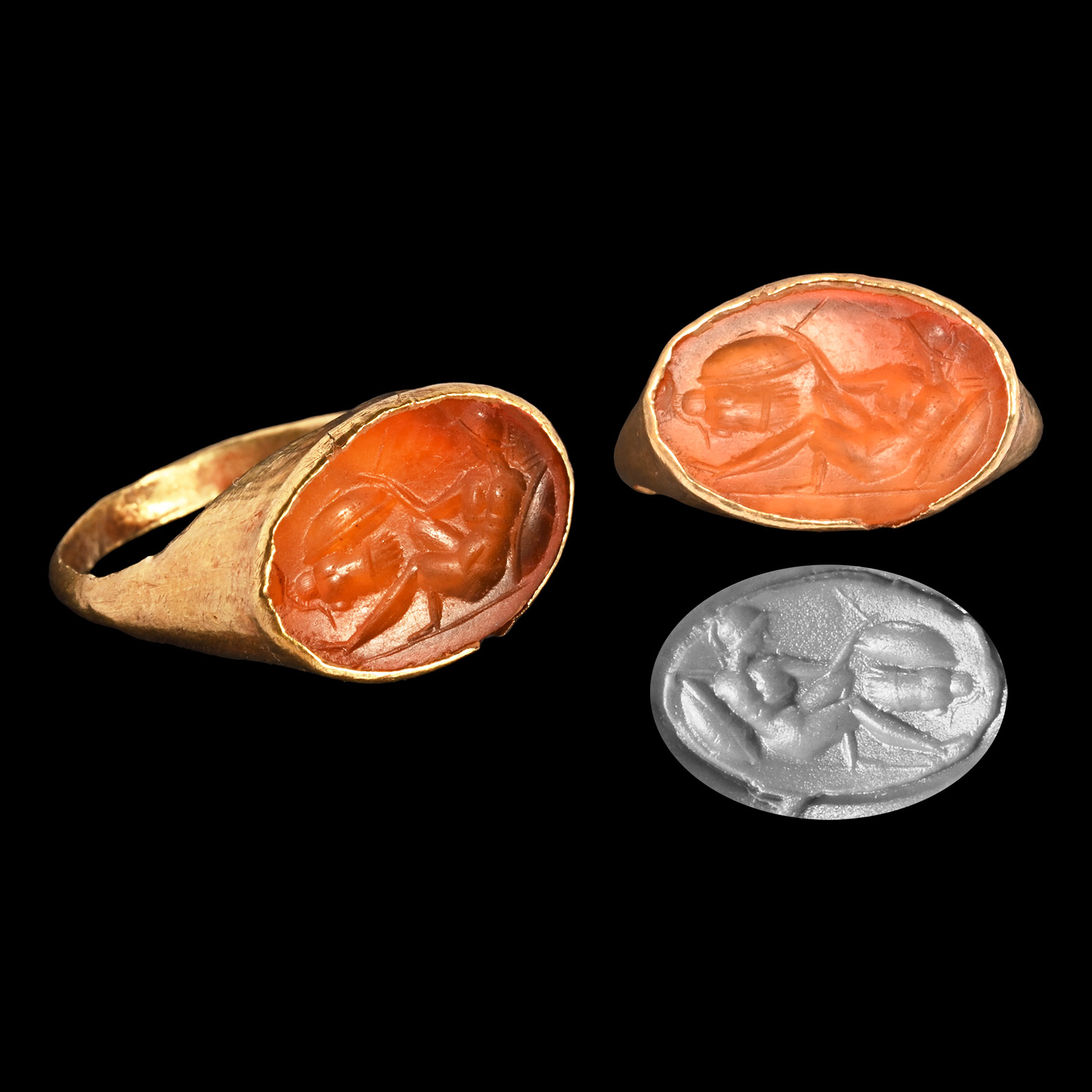
Roman Gold Ring with Warrior Gemstone
1ST CENTURY B.C.
5/8 in. (1.16 grams, 17.75 mm overall, 14.32 mm internal diameter (approximate size British F, USA 2 3/4, Europe 3.67, Japan 3)).
A hollow-formed gold finger ring with inset carnelian intaglio scene with reclining warrior surrounded by his arms and armour.
Provenancewith Bertolami Fine Art, 22 April 2022, lot 148.
English private collection.
Cf. Chadour, A.B., Rings. The Alice and Louis Koch Collection, volume I, Leeds, 1994, item 134.
CONDITIONTimeLine Auctions follows a vetting process to ensure the authenticity and legality of all items, reinforcing our commitment to integrity and responsible trading. Each antiquity, antique, and coin lot undergoes thorough examination by a vetting committee of at least ten external specialists, professional trade association members, scientists, and archaeologists: Our Vetting Process
AUCTIONS:
TimeLine is a leading auction house specialising in antiquities, ancient art, collectables, natural history, coins, medals, and books. Our auctions offer museums, collectors, historians, and enthusiasts the opportunity to acquire unique and historically significant pieces.
LOT 0143
Roman Gold Ring with Warrior Gemstone
Estimate £1,000 - 1,400€1,160 - 1,620 (for guidance only)$1,350 - 1,890 (for guidance only)
-
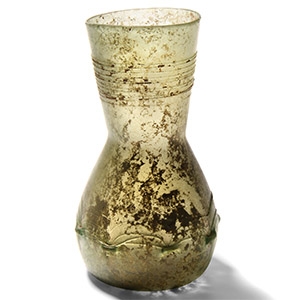
Roman Glass Flask with Trails
1st-3rd century A.D.Sold for (Inc. bp): £338
A pear-shaped pale green glass flask with broad flared neck, applied trails to the neck and broader, undulating trails to the equator embellished with raised ledges; areas of iridescence; old French collection label to base dated c.1900 A.D. 59 grams, 12 cm high
French collection, 1960s-early 2000s. From an important Paris gallery, France. -
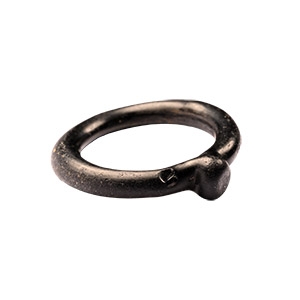
Romano-Egyptian Glass Finger Ring
1st century B.C.-1st century A.D.Sold for (Inc. bp): £59
An opaque black glass finger ring composed of a hoop of sub-circular cross-section and integral oval knop. 1.01 grams, 21.56 mm overall, 14.33 mm internal diameter (approximate size British F 1/2, USA 3, Europe 4.3, Japan 4)
Private collection formed since in the 1940s. UK art market. Property of an Essex gentleman. -
.jpg)
Roman Opaque White Glass Vessel
1st-2nd century A.D.Estimate: £450 - 650 (+bp*)
Opening Bid: £250
An opaque white glass cup or other vessel with trumpet-style neck and rim, slightly convex body and everted foot. 32.5 grams, 65 mm wide
Fine condition, repaired.
Acquired 1969-1999. London collection of the late Mr S.M., thence by descent.
