
Loading, please wait...
LOT 0153
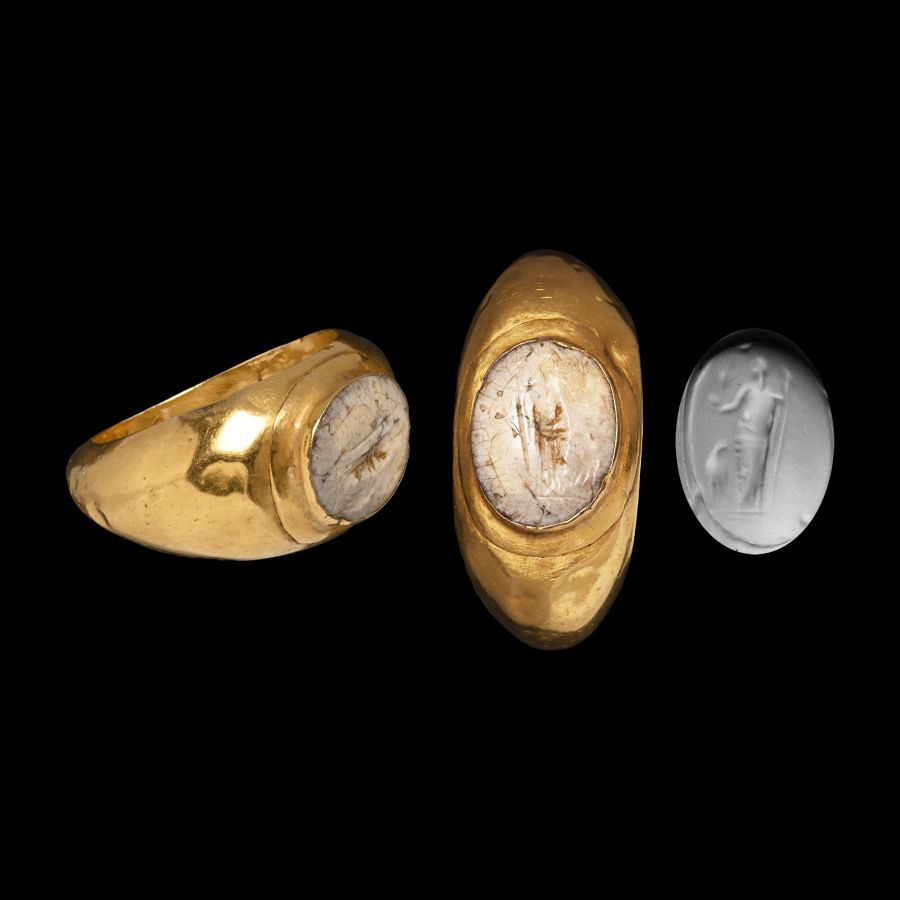
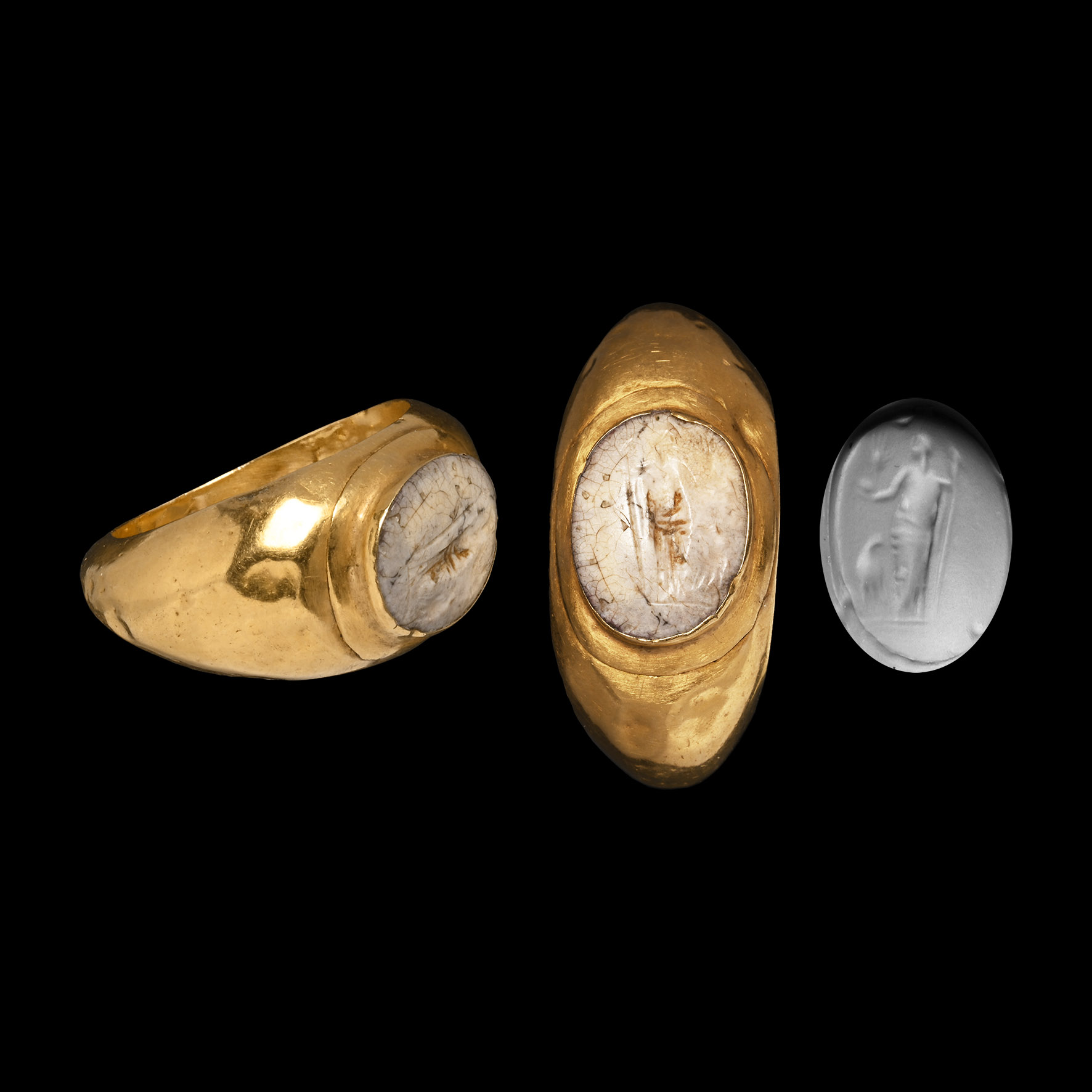
Roman Gold Ring with Jupiter Gemstone
CIRCA 1ST CENTURY A.D.
1 1/4 in. (9.99 grams, 33.21 mm overall, 22.94 mm internal diameter (approximate size British U 1/2, USA 10 1/4, Europe 23.15, Japan 22)).
Large hollow-formed hoop with inset intaglio of Jupiter in bone, standing robed carrying a staff, dog at this side.
ProvenanceAcquired on the French art market in the 1990s.
Rogers collection, Suffolk, UK.
This lot has been checked against the Interpol Database of stolen works of art and is accompanied by search certificate number no.11860-207248.
Cf. Chadour, A.B., Rings. The Alice and Louis Koch Collection, volume I, Leeds, 1994, items 170, 171, for type.
CONDITIONTimeLine Auctions follows a vetting process to ensure the authenticity and legality of all items, reinforcing our commitment to integrity and responsible trading. Each antiquity, antique, and coin lot undergoes thorough examination by a vetting committee of at least ten external specialists, professional trade association members, scientists, and archaeologists: Our Vetting Process
AUCTIONS:
TimeLine is a leading auction house specialising in antiquities, ancient art, collectables, natural history, coins, medals, and books. Our auctions offer museums, collectors, historians, and enthusiasts the opportunity to acquire unique and historically significant pieces.
LOT 0153
Roman Gold Ring with Jupiter Gemstone
Estimate £1,500 - 2,000€1,740 - 2,320 (for guidance only)$2,030 - 2,700 (for guidance only)
-
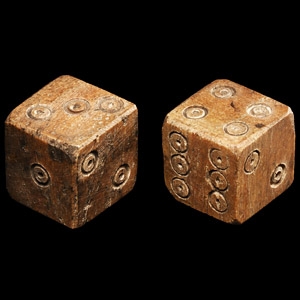
Roman Bone Dice Pair
1st-4th century A.D.Sold for (Inc. bp): £546
Each with ring-and-dot spots arranged: 1:6; 2:5; 3:4; 1:6; 2:5; 3:4. 8.85 grams total, 13-14 mm
Acquired on the German art market around 2000s. From the collection of an EU gentleman living in the UK. -
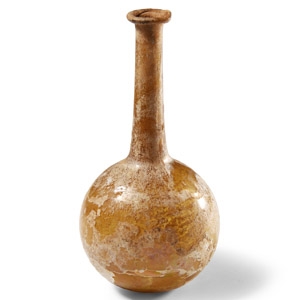
Roman Glass Bulbous Vase
2nd-3rd century A.D.Sold for (Inc. bp): £143
With long slender neck and everted rim. 37 grams, 12.5 cm
Acquired 1970s-1996. Property of a North American collector. London collection, 2016. -
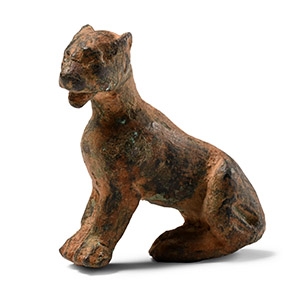
Roman Bronze Seated Panther Statuette
1st-4th century A.D.Sold for (Inc. bp): £260
Modelled in the round with naturalistic detailing to the head and face, sitting with head turned slightly to the left. 38.7 grams, 37 mm wide
‘The Ancient Menagerie Collection’ formerly the property of a Cambridgeshire lady, collected since the 1990s and acquired from auctions and dealers throughout Europe and the USA, now ex London collection.
