
Loading, please wait...
LOT 0160
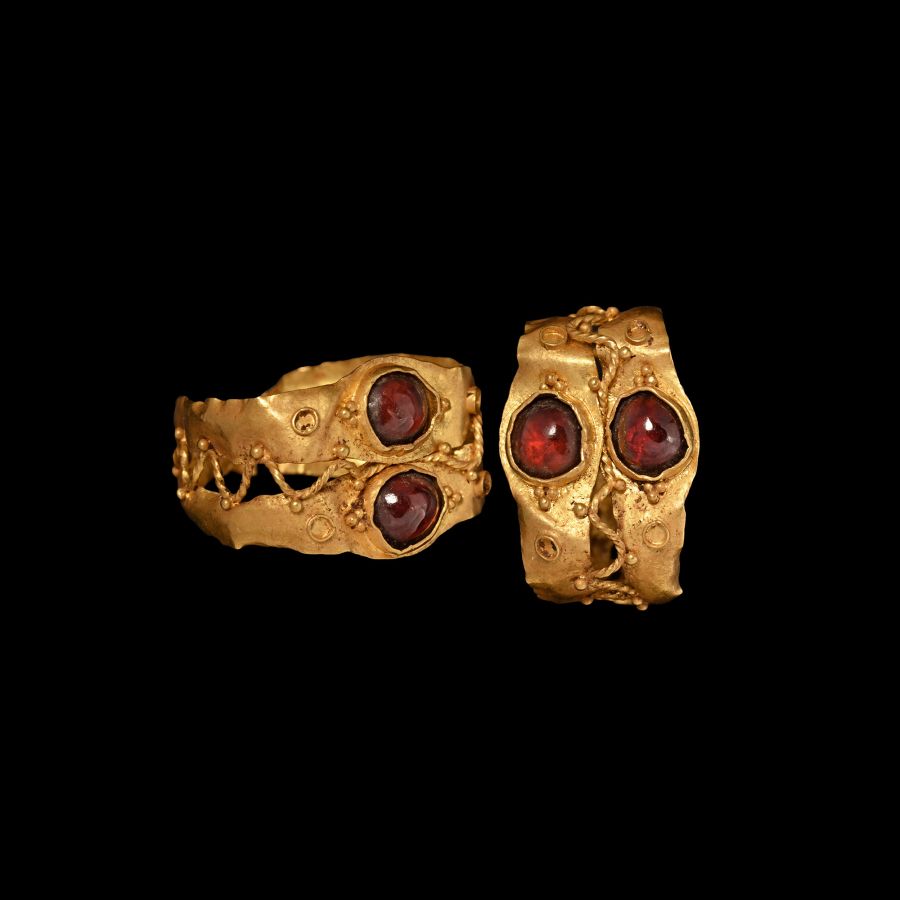
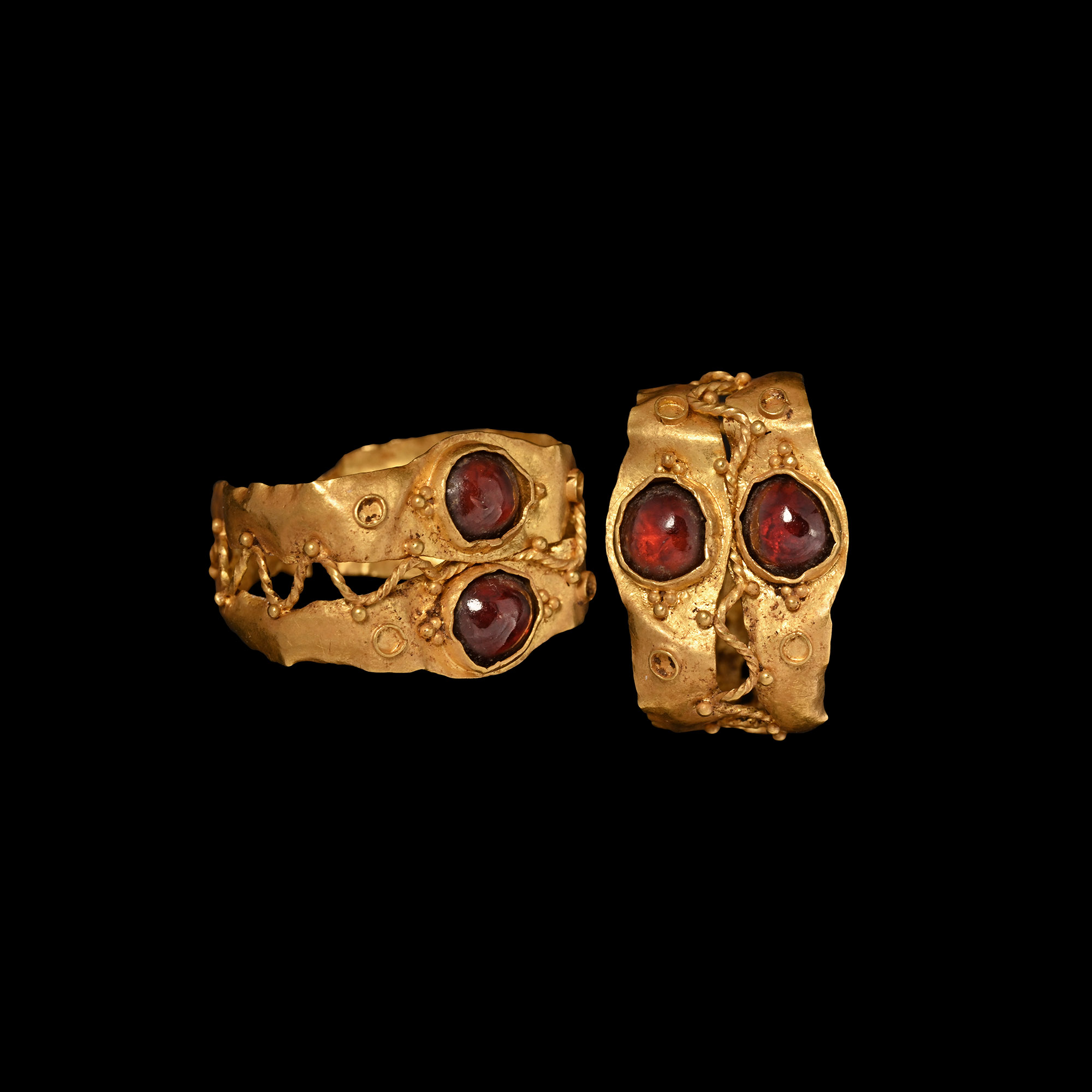
Roman Gold Ring with Garnets
2ND-3RD CENTURY A.D.
5/8 in. (1.38 grams, 17.03 mm overall, 14.85 mm internal diameter (approximate size British G 1/2, USA 3 1/2, Europe 5.55, Japan 5)).
Comprising two parallel hoops connected with angled filigree struts with a granule to each node, annulets to the shoulders, irregular circular cells each set with a cabochon garnet; hoop cracked at underside.
ProvenanceAcquired in the 1992.
Private collection, Switzerland, thence by descent.
Private collection, since the late 1990s.
Cf. Chadour, A.B., Rings. The Alice and Louis Koch Collection, volume I, Leeds, 1994, item 251, for type.
CONDITIONTimeLine Auctions follows a vetting process to ensure the authenticity and legality of all items, reinforcing our commitment to integrity and responsible trading. Each antiquity, antique, and coin lot undergoes thorough examination by a vetting committee of at least ten external specialists, professional trade association members, scientists, and archaeologists: Our Vetting Process
AUCTIONS:
TimeLine is a leading auction house specialising in antiquities, ancient art, collectables, natural history, coins, medals, and books. Our auctions offer museums, collectors, historians, and enthusiasts the opportunity to acquire unique and historically significant pieces.
LOT 0160
Roman Gold Ring with Garnets
Estimate £800 - 1,000€930 - 1,160 (for guidance only)$1,080 - 1,350 (for guidance only)
-
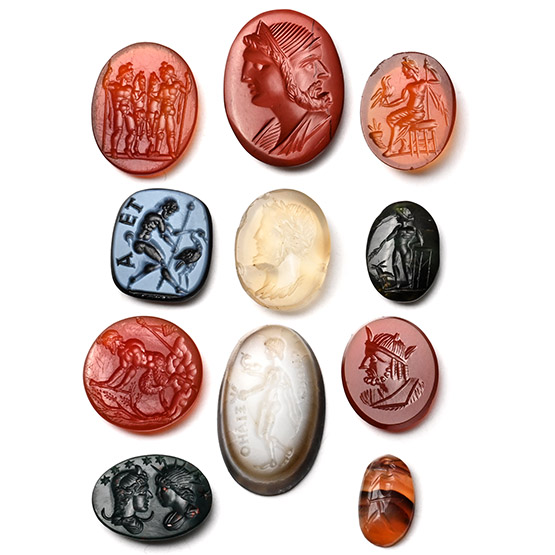
Roman and Later Hardstone Gemstone Collection
2nd century A.D. and laterSold for (Inc. bp): £1,235
Including spear-bearing warrior with swan, profile bust, Castor and Pollux, Juno enthroned, and other types; supplied with a museum-quality impression. 12.4 grams total, 11-22 mm
Private collection, England. -
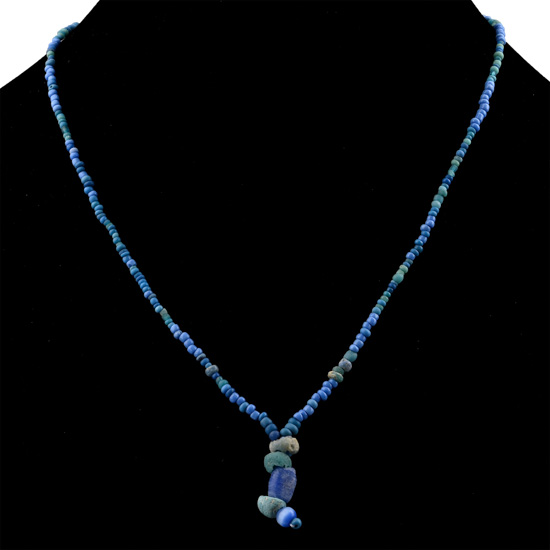
Roman and Other Blue Glass Bead Necklace String
1st-4th century A.D. and laterSold for (Inc. bp): £59
Composed of small annular beads with larger beads as a central feature; restrung with a clasp. 7.29 grams, 45.5 cm
From London, UK, gallery collection, 1990s. -
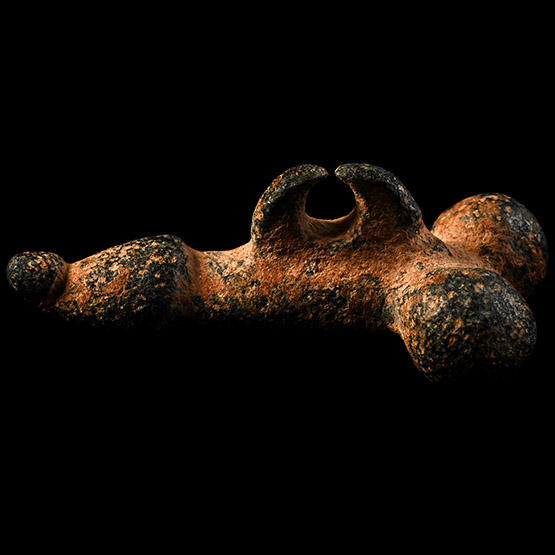
Roman Bronze Phallic Pendant
1st-3rd century A.D.Estimate: £300 - 400 (+bp*)
Opening Bid: £150
Amuletic pendant of a phallus with testes, suspension loop to the upper rear. 26.5 grams, 44 mm
UK private collection before 2000. Acquired on the UK art market. Private collection, London, UK.
